
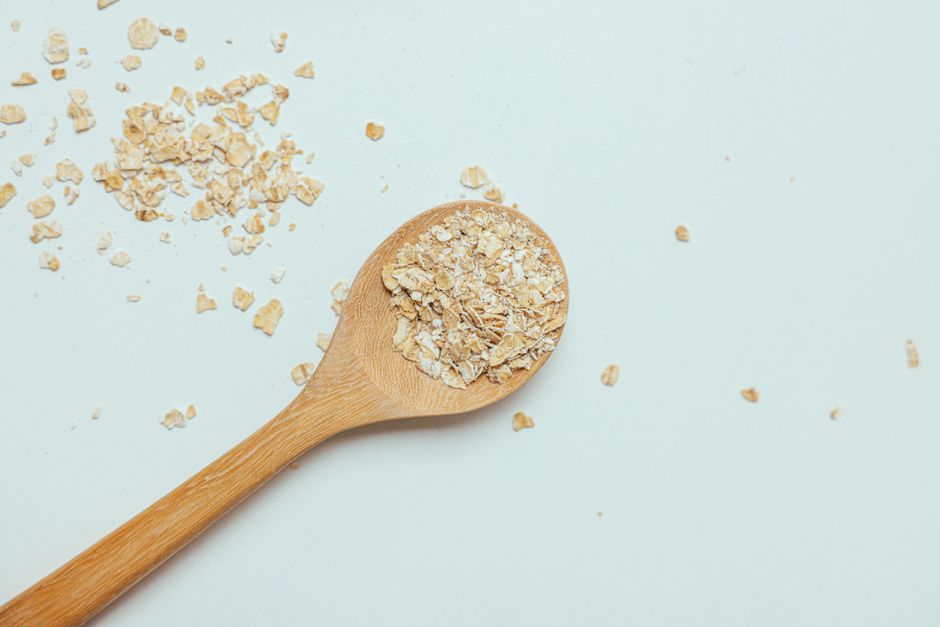
Yes, it is generally safe to eat uncooked oats. Rolled oats and instant oats are heat-treated during processing, which greatly reduces the risk of harmful bacteria. The bigger practical issues are digestion and portion size, not food safety. Raw oats are not toxic to humans, and for most healthy adults they are a reasonable addition to the diet without cooking.
That answer comes with real caveats, though. The type of oat matters. How they are stored matters. And some people should be more careful than others. Here is what the evidence actually supports.
Is It Safe To Eat Uncooked Oats?
For most people, yes. The main reason raw oats are safer than many people assume is that most oats sold in stores are not truly raw. Rolled oats and instant oats are steamed and toasted during processing. That heat treatment kills off most surface bacteria, including the kinds that cause foodborne illness.
Steel-cut oats are a different story. They are cut rather than steamed and flattened, so they may carry more surface contamination. They are also much harder to chew and digest raw. Most people cook them.
The real safety question with any raw oat product is storage. Oats are a dry grain, and harmful bacteria need moisture to multiply. Once a bag is opened, keep it sealed and dry. A damp pantry or a humid kitchen is where problems can start.
One point worth clearing up: raw oats do not contain a poison that cooking removes. Cooking oats makes them easier to chew and digest, and it improves the texture. It is not a safety step in the way that cooking raw chicken is.
What About Raw Oats and Foodborne Illness?
The risk is low but not zero. Any food that is not cooked can carry some bacteria, and oats are no exception. The most common concern with dry grains is contamination during growing, harvest, or storage.
There have been recalls of oat products over the years, often tied to contamination during processing rather than the oats themselves. That is a reminder that packaging and handling matter. Buying from a reputable brand and checking for recalls is sensible.
Signs that oats have gone bad include a musty smell, visible mold, or signs of moisture in the bag. Throw them out if you see any of these. Do not try to salvage them by cooking.
People with weakened immune systems, young children, and pregnant women may want to be more cautious with any uncooked grain. The evidence here is limited, and it is reasonable to cook oats for these groups rather than eat them raw.
Are Raw Oats Hard To Digest?
Yes, for many people. This is the most common real-world complaint about uncooked oats, and it has nothing to do with bacteria.
Raw oats contain a type of starch that is harder for the body to break down. Cooking breaks that starch down and makes it easier to digest. Eating raw oats can lead to bloating, gas, or an upset stomach, especially in larger amounts.
Oats are also high in fiber, including a soluble fiber called beta-glucan. Fiber is good for you, but a sudden jump in fiber intake can cause digestive discomfort. If you are new to eating raw oats, start with a small amount and see how your body responds.
Soaking raw oats overnight softens them and may make them easier to digest for some people. This is common practice, though the evidence that soaking meaningfully improves digestion is limited. It is a reasonable option to try.
Is It Safe To Eat Uncooked Oats Every Day?
Eating raw oats daily is fine for most healthy adults, as long as portions are reasonable and your body tolerates them. A typical serving of oats is about half a cup of dry rolled oats.
The bigger issue with daily raw oats is not safety but balance. Oats are nutritious, but they are not a complete food on their own. They provide carbohydrates, fiber, and some protein, but they lack the full range of nutrients a body needs. Build meals around them rather than relying on them alone.
People with certain digestive conditions may need to be careful. Oats contain fiber that can be difficult for people with conditions like irritable bowel syndrome. If raw oats consistently cause discomfort, cooking them or choosing a different food may work better.
Do Raw Oats Have the Same Nutrition as Cooked Oats?
Largely yes. Cooking oats in water does not strip away most of their nutrients. The main differences come from what you add and how much water the oats absorb.
Here is a rough comparison of a half-cup serving of dry rolled oats versus the same amount cooked in water. Values are approximate and vary by brand.
| Nutrient | Dry Rolled Oats (½ cup) | Cooked in Water (½ cup) |
|---|---|---|
| Calories | About 150 | About 80 |
| Fiber | About 4 grams | About 2 grams |
| Protein | About 5 grams | About 3 grams |
| Carbohydrates | About 27 grams | About 14 grams |
The difference is mostly water. A half-cup of cooked oats contains less actual oat because water takes up space. Gram for gram of dry oat, the nutrition is similar.
One nutrient that does change is a compound called phytic acid. Raw oats contain more of it, and it can bind to minerals like iron and zinc and reduce how much your body absorbs. Cooking and soaking lower phytic acid levels. This matters more for people who rely heavily on oats as a staple food.
Who Should Be Careful With Raw Oats?
Most healthy adults can eat raw oats without concern. Some groups should take more care.
- People with weakened immune systems may face a higher risk from any uncooked food. Cooking oats is the safer choice.
- Young children have developing digestive systems and may struggle with raw oats. Cooked oats are easier for them to handle.
- Pregnant women are often advised to be cautious with uncooked foods. The evidence specific to oats is limited, but cooking is a reasonable precaution.
- People with digestive conditions like irritable bowel syndrome may find raw oats harder to tolerate.
- Anyone with a known oat allergy should avoid oats in any form.
Oat allergy is uncommon but real. Symptoms can include itching, hives, or stomach upset. Anyone who reacts to oats should stop eating them and talk to a doctor.
There is also the question of gluten. Oats are naturally gluten-free, but they are often grown and processed alongside wheat. People with celiac disease should choose oats labeled gluten-free. This applies whether the oats are raw or cooked.
How Should You Store and Prepare Raw Oats?
Storage is where most people go wrong. Keep oats in a sealed container in a cool, dry place. A pantry shelf works well. Avoid storing them near the stove or in a humid spot.
If you want to eat raw oats, a few simple steps make them more pleasant and easier to digest:
- Start with a small portion, about a quarter cup, to see how your body responds.
- Soak them overnight in milk or water to soften them.
- Mix them into yogurt, smoothies, or overnight oat recipes.
- Check the bag for moisture, smell, or mold before eating.
Overnight oats are a popular way to eat uncooked oats. The oats soften in liquid overnight, which makes them easier to chew and digest. This is a practical approach that many people find works well.
One clarification worth making: “raw” oats in stores are almost never truly raw. The label usually refers to oats that have not been cooked by you, not oats straight off the plant. This distinction matters because it explains why store-bought raw oats are generally safe.
Frequently Asked Questions
Is it safe to eat uncooked oats?
Yes, for most healthy adults, uncooked rolled and instant oats are safe to eat. They are heat-treated during processing, which reduces the risk of harmful bacteria. Steel-cut oats are harder to digest raw and are usually cooked.
Can eating raw oats make you sick?
It can cause digestive discomfort like bloating or gas in some people, but serious illness is uncommon. The main risk comes from poor storage or contamination, not the oats themselves.
Are raw oats harder to digest than cooked oats?
Yes, raw oats contain starch that is harder for the body to break down. Cooking breaks down that starch and makes oats easier to digest. Soaking raw oats overnight may help some people.
Should pregnant women eat raw oats?
There are no specific clinical guidelines for eating raw oats during pregnancy. Cooking oats is a reasonable precaution, and it is a good idea to talk to a doctor about any concerns.
