
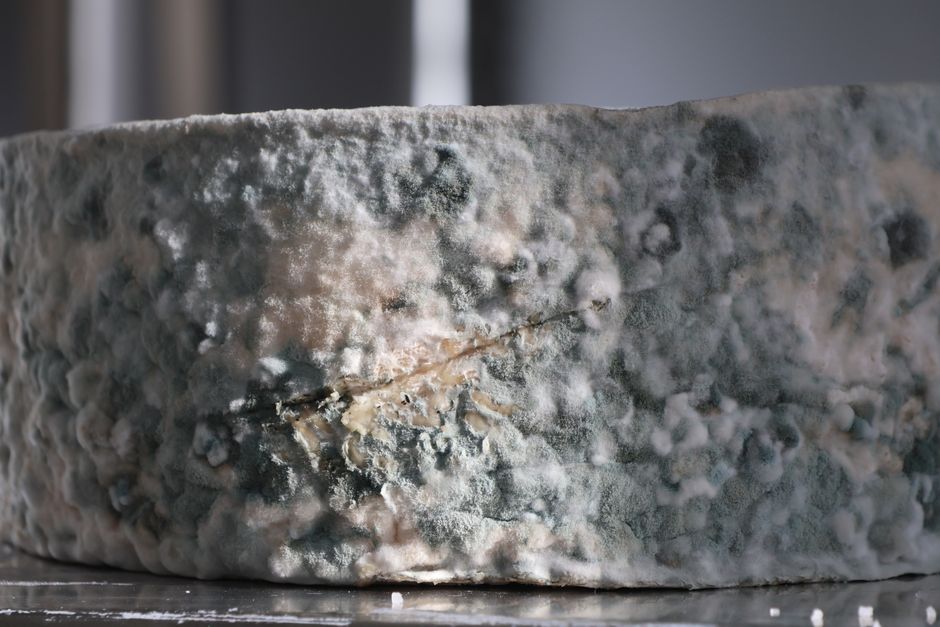
No. You should not eat moldy bread. The mold you can see is only the surface part of a larger growth that has likely spread invisible threads through the slice and into nearby slices. Some bread molds produce toxins that can make you sick, and the soft texture of bread lets those toxins spread well beyond the visible spots.
The safest move is to throw the loaf away. Cutting off the moldy spot does not make the rest safe, even though it looks fine. This is one case where a small loss of food is worth avoiding a real health risk.
Is It Safe To Eat Moldy Bread?
No. Health agencies and food safety experts consistently advise against eating bread that shows any mold. The visible fuzz is a sign that a fungus has colonized the food, and the part you can see is a small fraction of the total growth.
Mold is a type of fungus that grows in thread-like structures called hyphae. What you see on the surface are the spore-producing parts. The rest of the organism — the root-like network — extends down into the bread. On a hard food like a block of Parmesan cheese, you can sometimes cut a wide margin around the mold and keep the rest. Bread is soft and porous, so that approach does not work. The hyphae can run deep and spread sideways through the crumb without any visible sign.
There is a second problem beyond the mold itself. Some molds produce chemicals called mycotoxins. These are not alive — they are toxic compounds the fungus makes, and they can remain in the food even after the mold is gone. Cooking or toasting does not reliably destroy them.
What kinds of mold grow on bread?
The most common bread molds belong to a handful of groups, and a few of them are the ones that raise real concern. The everyday green, blue-green, or white fuzz you find on a loaf is usually a Penicillium or Aspergillus species. Black mold on bread is often Rhizopus, sometimes called black bread mold.
Most of these are harmless to a healthy person in small amounts, but that is not a guarantee. Some Aspergillus and Penicillium species can produce mycotoxins. One group of concern is the ochratoxins, which can affect the kidneys. Another is patulin, though it is more associated with fruit than bread. The presence of a mold does not automatically mean toxins are there — production depends on the species, the conditions, and the stage of growth. But you cannot tell by looking.
Here is a point that often gets lost: the fuzzy patch on your bread is not a single organism. It is a visible colony that may contain more than one mold species, and you have no way to identify which from appearance alone. That uncertainty is a big part of why the advice is simply to discard the loaf.
Can you just cut off the moldy part?
No, not with bread. The recommendation to trim mold applies to firm, dense foods — hard cheeses, firm vegetables like carrots, and dry-cured meats — where the mold’s threads cannot easily penetrate deep. Bread does not qualify.
Soft, moist foods are treated differently. That category includes bread, soft cheese, yogurt, jams, and soft fruits. For all of these, the guidance from food safety authorities is to throw the item away rather than salvage it. The moisture and airy structure of bread give mold exactly what it needs to spread invisibly.
Some people reason that if the mold is only on the crust, the inside is fine. That reasoning fails because the crust is not a barrier. Cracks, cuts from slicing, and the porous crumb all give hyphae a path inward. By the time mold is visible on one slice, spores and threads may already be on slices packed next to it in the same bag.
What happens if you eat moldy bread?
Often nothing. Many people have eaten a bite of moldy bread by accident and felt fine. For a healthy adult, a small accidental exposure is usually not dangerous. But “usually” is not “always,” and reactions range from mild to serious.
The most common outcome is a stomach upset — nausea, cramping, or diarrhea — that passes on its own. Some people are allergic to mold spores and can react with sneezing, runny nose, or wheezing after eating or even handling moldy food. People with weakened immune systems face a higher risk. For them, certain molds, including some Aspergillus species, can cause serious infection rather than a passing illness.
Mycotoxin exposure is the less common but more serious concern. Eating food contaminated with mycotoxins over time has been linked to organ damage, and some mycotoxins are considered carcinogenic with long-term exposure. A single accidental bite is not the same as ongoing exposure, but it is a reason not to treat moldy bread as harmless.
If you eat moldy bread and develop vomiting, diarrhea that will not stop, trouble breathing, or a fever, contact a healthcare professional. If someone with a weakened immune system eats moldy food, treat it more seriously and seek advice rather than waiting to see what happens.
Does toasting or cooking kill the mold?
Heat kills the mold organism but does not make the bread safe. Toasting raises the temperature enough to kill live mold and spores on the surface, but two problems remain. First, the dead mold is still there, and dead mold can still trigger allergic reactions in sensitive people. Second, and more importantly, heat does not reliably destroy mycotoxins.
Some mycotoxins are quite heat-stable. Ordinary toasting temperatures and baking do not break them down. So even bread that looks clean after toasting could still carry the toxins the mold produced before it died. This is why toasting is not a fix. It is not a way to rescue a moldy loaf.
The same logic applies to using moldy bread in cooking — for breadcrumbs, stuffing, or French toast. The mold and any toxins are still in the food. Do not use it.
How do you keep bread from molding?
You cannot stop mold entirely, but you can slow it down by controlling the conditions it needs. Mold grows best in warmth and moisture, so keeping bread dry and cool makes a real difference. The single biggest factor is moisture, which is why storage method matters more than most people realize.
- Keep it dry. Store bread in a paper bag or a breathable container rather than a sealed plastic bag, which traps moisture and encourages mold. If you use plastic, make sure the bread is fully cooled first.
- Freeze what you will not finish. Freezing stops mold growth. Slice the loaf first, then freeze it and take out what you need. This is the most reliable way to avoid waste.
- Keep it cool and dark. A bread box or a cool cupboard works better than a warm spot near the stove.
- Check before you buy. Look for damp spots, off smells, or any fuzz, especially on fresh bakery loaves that have no preservatives.
- Do not refrigerate for long storage. Refrigeration can actually speed up staling, and it does not reliably prevent mold. Freezing is the better option for longer storage.
Bread with no preservatives molds faster than commercial sliced bread, which is expected. That is not a sign anything is wrong — it just means you have less time. Buy smaller loaves or freeze half right away.
The bottom line
Moldy bread is not safe to eat, and trimming or toasting does not make it safe. The visible mold is a small part of a larger growth, and some bread molds produce toxins that survive heat. The reliable choice is to discard the loaf.
For a healthy person, an accidental bite is rarely serious, but the risk is not zero, and it is higher for people with weakened immune systems or mold allergies. When in doubt, throw it out. A loaf of bread is replaceable. A bout of foodborne illness, or worse, is not worth the gamble.
Frequently Asked Questions
Can I eat bread if only a tiny spot is moldy?
No. Even a small visible spot means the mold’s threads have likely spread through the slice and into nearby slices. The safe choice is to discard the whole loaf.
What happens if I accidentally eat a little moldy bread?
Most healthy people feel fine or have only mild stomach upset. If you develop vomiting, diarrhea, breathing trouble, or a fever, contact a healthcare professional.
Does toasting moldy bread make it safe?
No. Toasting kills the mold but does not reliably destroy mycotoxins, the toxic compounds some molds produce. The bread is still not safe to eat.
Can I cut the mold off hard cheese but not bread?
Yes. Firm foods like hard cheese allow you to cut a wide margin around the mold, but soft foods like bread let mold spread invisibly. Bread should always be discarded.
