
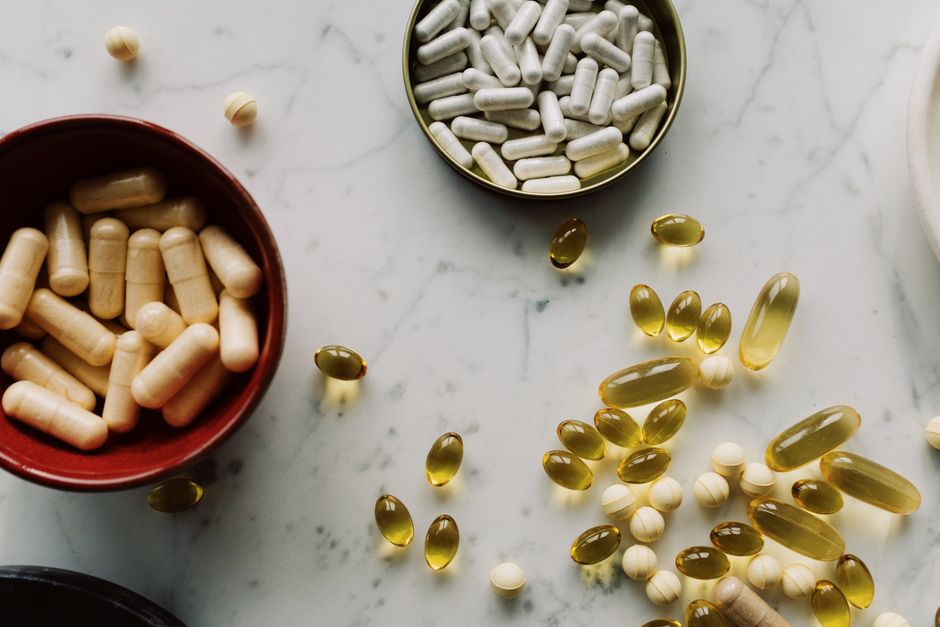
Chewing a pill before swallowing can be dangerous, and in some cases it can be fatal. The safety of chewing depends entirely on the specific medication, its formulation, and how it was designed to release into your body. For most tablets and capsules, swallowing whole with water is the intended and safest method. Breaking that design by chewing can release a full dose too quickly, damage your mouth or throat, or destroy a coating that protects your stomach.
Is It Safe To Chew Pills When Its Dangerous?
It is dangerous to chew most pills because many medications are engineered to release slowly over hours. Chewing destroys that design and dumps the entire dose into your system at once.
Extended-release, sustained-release, and delayed-release products carry the highest risk. These formulations use special coatings, matrices, or tiny pellets to control how fast the drug enters your bloodstream. Crushing or chewing them can cause a rapid spike in blood drug levels. That spike can turn a normal dose into an overdose.
Some drugs have what clinicians call a narrow therapeutic index. That means the gap between a helpful dose and a harmful one is small. For those medications, even a modest change in release speed can matter. Examples include certain heart medications, seizure medications, and pain medications. The specific danger varies by drug, but the principle holds: the formulation is part of the dose.
Chewing also affects the mouth and throat directly. Some tablets are caustic or irritating to tissue. A pill designed to dissolve in the stomach may burn the lining of your mouth or esophagus if it sits there in crushed form.
Which Pills Should Never Be Chewed?
Certain categories of medication should never be chewed, crushed, or split unless a pharmacist or prescriber specifically says it is safe. The list is longer than most people expect.
- Extended-release and sustained-release tablets — designed to release drug slowly over many hours.
- Delayed-release (enteric-coated) tablets — the coating protects the stomach or protects the drug from stomach acid.
- Capsules containing coated pellets or beads — each bead controls release timing.
- Sublingual tablets — meant to dissolve under the tongue for fast absorption, not to be chewed and swallowed.
- Effervescent tablets — meant to dissolve fully in water first.
- Buccal tablets — placed between cheek and gum to absorb through tissue.
Enteric coatings deserve a closer look. They serve two purposes. Some protect the drug from being destroyed by stomach acid so it can be absorbed later in the intestine. Others protect the stomach lining from a drug that would otherwise cause irritation or bleeding. Chewing defeats both purposes at once.
Sublingual tablets work differently. They are placed under the tongue because the tissue there has a rich blood supply and lets the drug enter the bloodstream quickly, bypassing digestion. Chewing and swallowing a sublingual tablet changes how fast and how completely the drug is absorbed. That change can matter in an emergency situation where the drug is being used for a specific fast effect.
What Happens If You Chew An Extended-Release Pill?
The most common consequence is a dose dump. Instead of receiving the drug gradually over 12 or 24 hours, your body absorbs much of it within a short window.
What that feels like depends on the drug. For some medications, a rapid rise in blood levels causes nausea, dizziness, drowsiness, or a drop in blood pressure. For others, the risk is more serious. A sudden high level of certain heart or pain medications can cause dangerous changes in heart rhythm, breathing, or consciousness.
There is a second, quieter problem. After the early spike, blood levels fall faster than intended. That means the drug may stop working well before the next dose is due. So chewing can cause both too much drug early and too little drug later.
This is why the formulation matters as much as the active ingredient. Two products with the same drug name can behave very differently if one is immediate-release and the other is extended-release.




Are There Pills That Are Meant To Be Chewed?
Yes. Some medications are specifically made to be chewed, and for those, chewing is correct.
Chewable tablets exist for people who have trouble swallowing pills, including children and some older adults. Common examples include certain pain relievers, antacids, and some vitamins. Chewable formulations are designed so the drug is released properly when chewed and mixed with saliva.
Chewable products also tend to be absorbed faster than swallowed tablets, which is sometimes the point. A chewable pain reliever may start working sooner than a swallowed one because the drug is already broken down before it reaches the stomach.
The key distinction is design. A chewable tablet is built to be chewed. An extended-release tablet is built to be swallowed whole. The same drug could exist in both forms, and the instructions are not interchangeable.
Does Chewing Pills Make Them Work Faster?
Sometimes, but not in a way you can rely on. Chewing increases the surface area of a tablet, which can speed up how quickly it breaks down and dissolves. For an immediate-release drug, that might mean slightly faster absorption.
But faster is not always better. The goal of most medication dosing is to keep blood levels within a specific range that is effective without being harmful. Chewing can push levels above that range, at least briefly. The speed comes at the cost of control.
There is also a practical problem. Some drugs taste extremely bitter or cause a numbing or burning sensation in the mouth. Chewing a pill not meant to be chewed can be an unpleasant experience at best. At worst, it irritates the tissue lining your mouth and throat.
If your goal is faster relief, the better question is whether a different formulation exists. A liquid, a chewable, or a rapidly dissolving tablet may be designed for faster onset. Ask a pharmacist rather than improvising with a pill that was not made for it.
What Should You Do If You Cannot Swallow Pills?
Trouble swallowing pills is common and worth taking seriously. Do not solve it by chewing whatever is in the bottle. There are safer approaches.
First, ask whether the medication comes in another form. Many drugs are available as liquids, chewables, orally disintegrating tablets, or smaller tablets. A pharmacist can check quickly.
Second, ask whether the specific tablet can be split, crushed, or opened. Some can, and some cannot. This is not a judgment you can make from the pill’s appearance. A pharmacist or prescriber needs to confirm it for that exact product.
Third, if crushing is approved, ask how to do it and what to mix it with. Some drugs should not be mixed with certain foods or liquids because it changes absorption. Some should not be crushed and left to sit because they degrade.
There are also practical swallowing techniques that help many people. Taking pills with a sip of water and using a slight head-forward motion can help some tablets go down. A pharmacist can suggest techniques that fit your situation.
Can Chewing A Pill Cause An Overdose?
It can, and this is the most serious risk. An overdose does not always mean taking extra pills. It can mean taking the correct number of pills in a way that releases the drug too fast.
For a medication with a narrow therapeutic index, the difference between a safe blood level and a dangerous one can be small. Chewing an extended-release version of such a drug can push levels into a harmful range even though the person took the prescribed amount.
If you or someone else has chewed a pill that was meant to be swallowed whole, the right move is to contact a poison control center or seek medical advice. Do not wait for symptoms. Some effects, including heart rhythm changes, can develop before a person feels obviously unwell.
Signs that warrant urgent help include severe dizziness, fainting, unusual drowsiness, confusion, a racing or irregular heartbeat, or trouble breathing. These are not guaranteed to occur, but they are reasons to act rather than watch and wait.
Why Formulation Is Part Of The Dose
Most people think of a pill as just the drug inside it. In reality, the inactive ingredients and the physical structure are doing real work. They control when the drug is released, where it is released, and how fast it enters the bloodstream.
That is why two products with the same drug name are not automatically interchangeable. A pharmacist checks this carefully when substituting one product for another. The release profile is part of what makes the medication work safely.
This is the non-obvious part. The dose printed on the label assumes the pill is taken the way it was designed to be taken. Change the design by chewing, and you have effectively changed the dose, even though the number on the bottle is the same.
How To Take Pills Safely
The general rule is simple. Swallow tablets and capsules whole with water unless the label or a pharmacist says otherwise.
- Read the label and any pharmacy instructions before taking a new medication.
- Do not chew, crush, or split a pill unless you have confirmed it is safe for that specific product.
- Ask a pharmacist if you have trouble swallowing pills. They can often find an alternative form.
- Keep medications in their original packaging so the instructions stay with them.
- If a pill is chewed by mistake, contact a poison control center or a medical professional for guidance.
Water helps most pills move down smoothly. Taking a pill with too little liquid can cause it to stick in the esophagus, which is uncomfortable and can irritate the lining. A full glass of water is a reasonable habit.
None of this means every pill is dangerous to chew. It means the answer depends on the product, and the product tells you what to do. When in doubt, the pharmacist is the fastest reliable source.
Frequently Asked Questions
Is it ever safe to chew a regular tablet?
Only if the label or a pharmacist says the tablet is meant to be chewed or can be chewed. A standard immediate-release tablet not designed for chewing should still be swallowed whole.
What happens if I accidentally chew an extended-release pill?
You may absorb the full dose too quickly, which can cause side effects or, for some drugs, a dangerous reaction. Contact a poison control center or a medical professional for advice rather than waiting for symptoms.
Do chewable pills work as well as swallowed ones?
Chewable forms are designed to deliver the drug properly when chewed, and for many products they work as intended. They are not interchangeable with a swallowed version of the same drug unless a pharmacist confirms it.
Can I crush my pill and mix it with food?
Only if a pharmacist or prescriber confirms that the specific product can be crushed. Crushing some medications changes how fast the drug is absorbed and can make it unsafe.
