
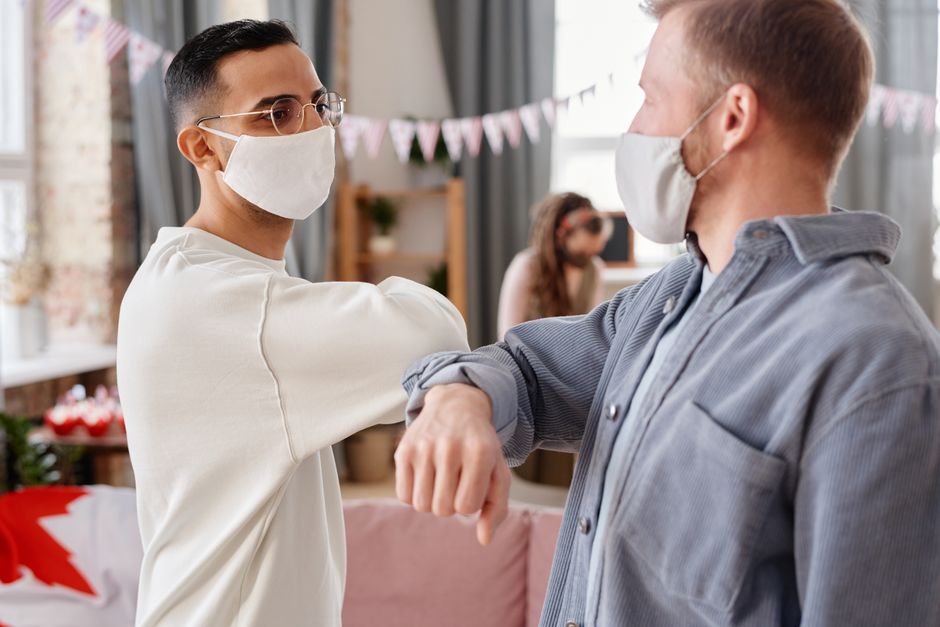
A PET scan is a common medical imaging test, and many people worry about being a source of radiation to others afterward. The short answer is yes, it is generally safe to be around someone after their PET scan, but there are a few specific precautions to follow for a short period. The radioactive tracer used in the scan leaves the body quickly, and the exposure to other people is very low, but certain situations—like close contact with pregnant women or small children—call for temporary limits.
Why Does a PET Scan Leave You Radioactive?
A PET scan uses a small amount of radioactive material called a tracer, usually attached to a sugar molecule. The tracer is injected into a vein, and the scanner detects where it collects in the body. This helps doctors see how tissues and organs are functioning, not just their structure.
The radiation is not like the kind you might picture from a nuclear accident. It is a short-lived, low-dose tracer that decays quickly. The most common tracer, F-18 fluorodeoxyglucose (FDG), has a physical half-life of about 110 minutes. That means the radiation level in the body drops by half roughly every two hours.
Most of the tracer leaves the body through urine within a few hours. By the next day, the amount of radiation remaining is extremely small.
How Much Radiation Actually Reaches Other People?
The radiation exposure to someone standing next to a PET scan patient is very low. Studies have measured the exposure to family members and caregivers during the hours after a scan. The dose is typically well below the annual public exposure limit recommended by international safety organizations.
For comparison, the radiation dose from a PET scan to the patient is similar to what you might get from several CT scans. But the dose to a person standing nearby is far smaller—closer to what you would get from a few hours of natural background radiation, like sunlight and soil.
The main concern is not the person themselves but their bodily fluids, especially urine. The tracer is cleared through the kidneys, so the highest concentration is in urine for the first few hours after the scan.
What Precautions Are Recommended After a PET Scan?
Hospitals and radiology departments give specific instructions after a PET scan. These are standard precautions, not signs of danger. They are meant to keep radiation exposure to others as low as reasonably possible.
Common recommendations for the first 6 to 12 hours after the scan include:
- Stay at least 3 feet away from pregnant women and young children when possible.
- Sleep in a separate bed if you share one with a pregnant partner or a small child.
- Flush the toilet twice after urinating and wash your hands thoroughly.
- Wipe up any spilled urine with a tissue and flush it, then wash your hands.
- Shower and wash your hair if any urine gets on your skin or clothing.
- Avoid prolonged close contact, like holding a baby or sleeping next to someone, for the first few hours.
These precautions are temporary. They are not required for the vast majority of everyday interactions, like talking, walking, or sitting across the room from someone.


Is It Safe to Be Around Pregnant Women and Children?
Pregnant women and young children are more sensitive to radiation because their cells are dividing rapidly. The precautions are stricter for them, but they are still not absolute restrictions.
For a pregnant woman, the recommendation is to avoid prolonged close contact for the first 6 to 12 hours after the scan. A brief hug or sitting nearby for a short time is not considered a meaningful risk. But holding the patient’s hand for hours or sleeping in the same bed should be avoided during that window.
For infants and toddlers, the same logic applies. The child should not sit on the patient’s lap for long periods or share a bed on the night of the scan. These are precautionary measures based on the principle of keeping all radiation exposure as low as possible, not because a single exposure is known to cause harm.
How Long Does the Radiation Stay in the Body?
The tracer leaves the body through a combination of radioactive decay and excretion. After 6 hours, about 90 percent of the tracer has decayed or been eliminated. After 12 hours, the level is negligible.
By the next morning, there is no practical reason to take any special precautions. You can resume normal activities, including close contact with anyone, without concern.
The exact time depends on the specific tracer used. Some PET scans use different isotopes with longer or shorter half-lives. Your doctor or the nuclear medicine technologist will tell you if any special instructions apply to your specific scan.
What About the Person Who Had the Scan—Are They Safe?
The patient themselves is safe. The radiation dose from a single PET scan is well within the range considered acceptable for diagnostic imaging. The benefit of getting an accurate diagnosis far outweighs the small radiation risk.
There is no evidence that a single PET scan causes long-term health problems. The risk of cancer from low-dose radiation exposure is theoretical and extremely small at these levels. It is not something to lose sleep over.
The patient can also protect others by following the simple precautions listed above. Drinking extra water after the scan helps flush the tracer out of the system faster, which reduces the time that any precautions are needed.
What If You Are the One Who Needs to Be Near the Patient?
If you are caring for someone who just had a PET scan, you do not need to avoid them. You just need to be mindful of the first few hours.
Caregivers who must be close to the patient, such as a parent helping a child or a nurse assisting an elderly patient, can use basic hygiene measures. Wearing gloves when handling urine or soiled linens is a reasonable precaution. Washing hands after any contact with bodily fluids is always good practice.
If you are pregnant and you are the primary caregiver, talk to the nuclear medicine team before the scan. They can give you specific guidance based on the tracer used and the patient’s individual situation.
Frequently Asked Questions
How long do I need to stay away from people after a PET scan?
Most precautions last only 6 to 12 hours after the scan. By the next day, no special measures are needed.
Can I hold my baby after a PET scan?
You should avoid prolonged close contact with a baby for the first 6 hours after the scan. A brief hold or feeding is not considered a significant risk, but ask your technologist for specific guidance.
Is the radiation from a PET scan dangerous to my family?
No. The radiation exposure to family members is very low and well below recommended safety limits. The precautions are extra caution, not signs of danger.
Do I need to flush the toilet twice after a PET scan?
Yes, for the first several hours after the scan, flushing twice helps reduce the amount of radioactive urine left in the toilet bowl. This is a simple and effective precaution.
