
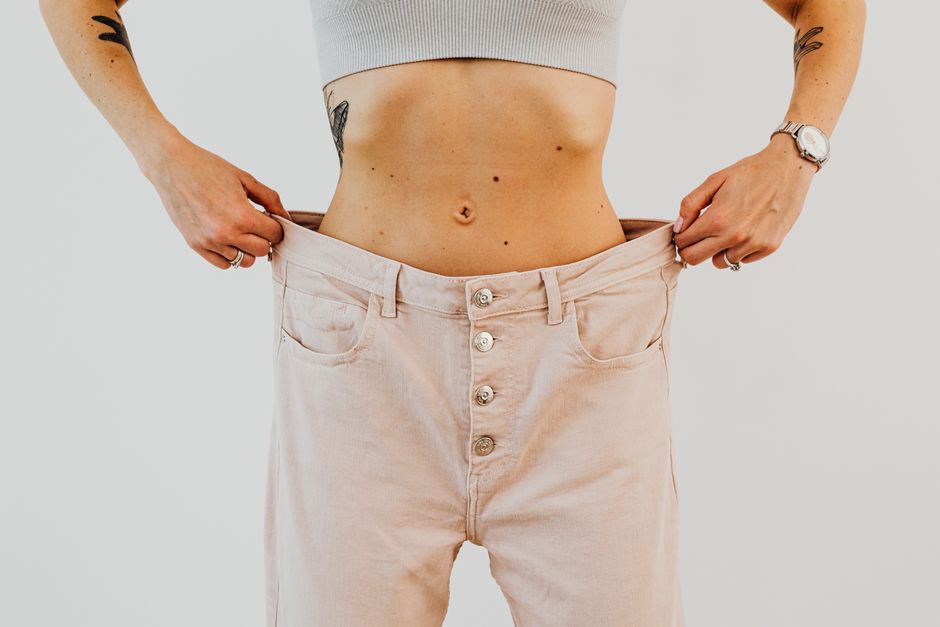
Spot reduction — the idea that exercising a specific body part burns fat from that exact spot — is one of the most persistent myths in fitness. You cannot lose fat from your arms alone by doing arm exercises. What you can do is lower your overall body fat, and your arms will shrink along with the rest of you. How much and how fast depends on your genetics, hormones, and total calorie balance.
Is It Possible To Lose Arm Fat Here’s The Truth?
Yes, it is possible to reduce arm fat — but not by targeting your arms directly. Fat loss happens across the whole body at once. Where you lose it first, and where it lingers longest, is largely out of your control.
When you burn more calories than you eat, your body draws on stored fat for energy. That fat comes from everywhere, not just the area you are exercising. A study published in the Journal of Strength and Conditioning Research found that participants who trained one arm only did not lose more fat from that arm than from the untrained arm over a 12-week period. The body does not cooperate with spot reduction.
That said, arm appearance is not only about fat. Muscle tone, skin elasticity, posture, and fluid retention all play a role. Two people with the same amount of arm fat can look very different depending on muscle underneath.
Why Can’t I Target Fat On My Arms Specifically?
Fat cells release stored energy through a process called lipolysis. This happens when hormones like adrenaline signal fat cells to break down triglycerides into fatty acids that enter the bloodstream. That signal is body-wide, not local.
Exercise does increase blood flow to working muscles. Some people assume this means fat near those muscles gets used first. It does not work that way. The fatty acids released from fat cells travel through the bloodstream to wherever the body needs energy — which may be a completely different area.
Where your body stores fat and where it releases it first is determined mostly by genetics and hormones. This is why some people lose weight from their face and arms first, while others notice their waist shrinking before anything else. You cannot choose the order.
One more point worth understanding: fat cells do not disappear when you lose weight. They shrink. The number of fat cells you have is largely set by adulthood and stays fairly stable. This is one reason weight regain tends to happen in the same places it was lost.
What Actually Causes Excess Fat On The Arms?
Arm fat accumulates for the same reasons fat accumulates anywhere: a long-term calorie surplus. But several factors can make arm fat more noticeable or harder to change.
- Genetics. Fat distribution patterns run in families. If your parents stored fat in their arms, you are more likely to as well.
- Hormones. Estrogen influences where women store fat, often favoring the hips, thighs, and upper arms. After menopause, estrogen drops and fat distribution often shifts toward the abdomen.
- Age. Muscle mass declines gradually with age — a process called sarcopenia. Less muscle in the arms means the same amount of fat looks more prominent.
- Skin elasticity. As skin loses collagen and elastin over time, it does not hug the arm as tightly. This can create a sagging appearance even without significant fat gain.
- Overall body fat percentage. This is the biggest factor. If your total body fat is high, your arms will likely carry some of it.
There is also a condition called lipedema, which causes disproportionate fat accumulation in the arms and legs. It is more common in women and does not respond well to diet and exercise alone. If your arm fat is painful, feels different from fat elsewhere, or is accompanied by easy bruising, it is worth discussing with a doctor.





What Is The Most Effective Way To Reduce Arm Fat?
The most effective approach is the same one that reduces fat anywhere: a sustained calorie deficit combined with resistance training and adequate protein. There is no shortcut specific to arms.
A calorie deficit means eating fewer calories than your body uses. This forces your body to tap into stored fat for energy. The size of the deficit matters less than whether you can maintain it. A slow, steady deficit tends to preserve muscle better than an aggressive one.
Resistance training does not burn much fat directly during the workout. What it does is preserve and build muscle while you lose fat. This matters for arm appearance because muscle gives the arm shape and firmness. Without it, weight loss can leave the arms looking softer, not tighter.
Protein intake supports muscle retention during weight loss. General guidance for adults trying to preserve muscle while in a calorie deficit is roughly 1.2 to 1.6 grams of protein per kilogram of body weight per day. That range comes from position stands by sports nutrition organizations. Individual needs vary based on age, activity level, and health status.
Cardiovascular exercise helps create the calorie deficit but does not specifically target arm fat. Walking, cycling, swimming, and similar activities all contribute to overall energy expenditure.
Do Arm Exercises Help At All?
Arm exercises build arm muscles. They do not burn fat from the arms. But they are still worth doing — just not for the reason most people think.
Exercises like bicep curls, tricep extensions, and push-ups strengthen and enlarge the muscles in your arms. When you lose fat and have muscle underneath, the arm looks firmer and more defined. Without muscle, fat loss can leave a softer appearance.
Training your arms also supports overall strength and joint health. It contributes to the calorie deficit by burning some calories, though the amount is modest compared to larger muscle groups like the legs and back.
The key point: arm exercises shape the arm. Fat loss reveals the shape. You need both, but they are separate processes.
How Long Does It Take To See Results?
Fat loss timelines vary widely. A commonly cited guideline is that a safe rate of weight loss is about 0.5 to 1 kilogram (roughly 1 to 2 pounds) per week. That figure comes from public health guidelines and reflects a rate that tends to preserve muscle and is sustainable for most people.
Visible changes in the arms usually take longer than changes in the face or waist for many people. This is because arm fat is often stored in areas that the body releases later. Some people notice a difference in a few weeks. Others may need several months of consistent effort before their arms look noticeably different.
Skin elasticity also affects how quickly the arms appear tighter after fat loss. Younger skin tends to snap back faster. Older skin, or skin that has been stretched for a long time, may take longer or may not fully retighten. This is a normal part of aging and not a sign of failure.
What About Creams, Wraps, And Devices Marketed For Arm Fat?
There is no topical cream, wrap, or at-home device that has been shown in large human trials to reduce arm fat. Some products may temporarily tighten the skin through hydration or mild inflammation, but this effect is short-lived and does not change fat stores.
Certain cosmetic procedures — such as cryolipolysis (fat freezing) or liposuction — can reduce fat in specific areas, including the arms. These are medical procedures with real risks and costs. They are not a substitute for overall fat loss, and results can be affected by future weight changes.
If you are considering a procedure, discuss it with a qualified medical professional who can explain the risks, expected outcomes, and whether you are a suitable candidate. No procedure removes the need for healthy habits to maintain results.
The Bottom Line
You cannot lose arm fat by exercising your arms alone. Fat loss is a whole-body process driven by a calorie deficit. Arm exercises build muscle that improves the look of your arms once fat is reduced. Genetics, hormones, age, and skin elasticity all influence how your arms respond.
The honest truth is that consistency matters more than any specific exercise. A sustainable calorie deficit, resistance training, adequate protein, and patience will do more for your arms than any targeted workout or product. There is no way to speed up the process beyond what your body is willing to do — and that is not a failure. It is just how fat loss works.
Frequently Asked Questions
Can you lose arm fat without losing weight?
In some cases, yes — if you build muscle and lose fat at the same time, your weight may stay the same while your arms look firmer. This is more common in people who are new to resistance training or who carry more body fat to begin with.
Do push-ups burn arm fat?
Push-ups strengthen and build the muscles in your arms, chest, and shoulders, but they do not burn fat from your arms specifically. They contribute to overall calorie expenditure, which supports whole-body fat loss.
Why do my arms look bigger even though I’m losing weight?
This can happen if you are losing muscle along with fat, or if skin is loosening faster than fat is disappearing. It can also be temporary fluid shifts. If it persists, it is worth discussing with a doctor.
Is arm fat a sign of a health problem?
In most cases, arm fat is simply a normal fat storage pattern. However, if the fat is painful, bruises easily, or is disproportionate compared to the rest of your body, it may be worth asking a doctor about lipedema or other conditions.
