
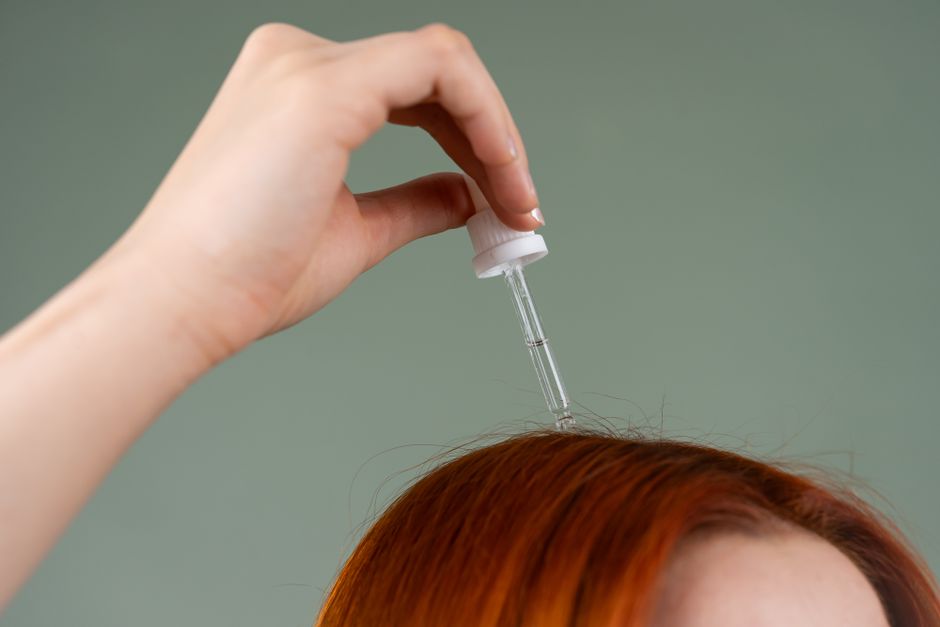
Yes, it is possible to be allergic to your own hair, but it is extremely rare and almost never a true allergy to the hair protein itself. In nearly every case, the reaction is actually to something on the hair or in the scalp, such as a fungus, a skin oil, or a hair care product. When a person experiences itching, redness, or hair loss, the underlying cause is usually a scalp condition like seborrheic dermatitis or a contact allergy to shampoo, not an immune response to the hair shaft. Understanding the difference between a true hair allergy and a reaction to scalp irritants is the first step toward finding the right treatment.
Why Do People Think They Are Allergic To Their Own Hair?
The sensation of your own hair causing itching or discomfort is real, but the explanation is often misunderstood. Most people who believe they are allergic to their hair are actually experiencing a reaction to something that is trapped in the hair or produced by the scalp. The hair shaft itself is made of keratin, a protein that is also found in your skin and nails. Because your immune system recognizes keratin as part of your body, it does not normally attack it.
However, the scalp is a living environment. It produces oil called sebum, sheds skin cells, and hosts a natural population of microorganisms. When this environment is out of balance, it can cause intense itching and inflammation that feels like an allergy. Adding hair products, dyes, or hard water minerals into the mix can create a situation where the scalp becomes irritated by several factors at once.
What Causes The Itching And Redness?
The most common cause of an itchy, irritated scalp is a condition called seborrheic dermatitis. This is a chronic inflammatory condition that occurs when a yeast called Malassezia, which naturally lives on the scalp, grows out of control. The skin reacts to the yeast and its byproducts, leading to flaking, redness, and itching. This is not an allergy to your hair. It is an inflammatory response to a microorganism that lives on the scalp.
Another frequent cause is contact dermatitis. This happens when a product you apply to your hair or scalp triggers an allergic reaction or irritates the skin. Common culprits include fragrances, preservatives, and certain chemicals in dyes or straightening treatments. In this case, your hair is acting as a sponge, holding the irritating chemical against your skin for hours, which makes it seem like the hair itself is the problem.
Less commonly, a condition called trichodynia causes a painful or burning sensation on the scalp without any visible rash or skin disease. The exact cause is not fully understood, but it is often linked to stress, anxiety, or nutritional deficiencies. This is a neurological sensation, not an allergic reaction.
Can You Be Allergic To The Protein In Your Hair?
A true allergy to your own keratin protein is virtually nonexistent. Your immune system is designed to tolerate proteins that are part of your body. If it attacked keratin, it would also attack your skin and nails, which would cause a severe systemic illness that is not seen in clinical practice.
What can happen is a sensitivity to external keratin. Many hair care products contain hydrolyzed keratin, which comes from animal sources. Some people develop a contact allergy to these added proteins, especially if they have damaged skin barriers. This is a reaction to an external ingredient, not to the hair growing from your own head. If you are reacting to a keratin treatment or a keratin-infused shampoo, the problem is the product, not your natural hair.





What Are The Symptoms Of A Scalp Reaction?
Symptoms vary depending on whether the cause is seborrheic dermatitis, contact dermatitis, or another condition. Watch for these common signs:
- Persistent itching that does not go away with regular washing
- Redness or inflammation on the scalp
- Flaking or scaling that ranges from fine white dust to large oily flakes
- A burning or stinging sensation
- Hair loss that happens because of scratching or inflammation
- Small bumps or pustules along the hairline
If the reaction is caused by a hair product, symptoms usually appear within 24 to 48 hours after exposure. The rash may spread to the ears, neck, or forehead where the product has run. If the cause is seborrheic dermatitis, the symptoms are often chronic and fluctuate with stress, weather changes, or hormonal shifts.
How Do Doctors Diagnose The Problem?
A dermatologist will begin by examining your scalp and asking about your hair care routine. They will look for patterns in your symptoms, such as whether the itching worsens after using a specific product or whether it is constant throughout the year. This history alone can often distinguish between a product reaction and a chronic skin condition.
If a contact allergy is suspected, the doctor may recommend patch testing. Small amounts of common allergens are placed on your back under adhesive patches and left for 48 hours. This test identifies which specific chemicals you are reacting to. If seborrheic dermatitis is suspected, a visual exam is usually enough to confirm the diagnosis, though a skin scraping may be taken to rule out other conditions like psoriasis or a fungal infection.
It is important to see a doctor if you are experiencing significant hair loss, open sores, or pain. These symptoms require a professional evaluation to rule out more serious conditions such as autoimmune disorders or infections.
What Treatments Are Available?
Treatment depends entirely on the underlying cause. For seborrheic dermatitis, medicated shampoos containing ketoconazole, zinc pyrithione, or selenium sulfide are the standard first-line approach. These ingredients reduce the Malassezia yeast population and calm the inflammation. They are available over the counter in lower strengths and by prescription in higher strengths. Consistent use, often two to three times per week, is typically needed to keep symptoms under control.
For contact dermatitis, the treatment is simple but requires discipline: stop using the offending product. If you have identified a specific shampoo or styling product that triggers your symptoms, discontinuing it should resolve the reaction within a few days. In the meantime, a gentle, fragrance-free shampoo and a cool compress can soothe the irritation. If the reaction is severe, a doctor may prescribe a topical corticosteroid to reduce inflammation.
For trichodynia, treatments focus on managing stress and addressing any underlying nutritional deficiencies. Some dermatologists recommend supplements such as iron or vitamin D if blood tests show a deficiency, but this is not a universal treatment. The evidence for specific supplements in treating trichodynia is limited, and you should not start any supplement without a blood test confirming a deficiency.
Can You Prevent Scalp Reactions?
Prevention is about maintaining a healthy scalp environment. Wash your hair regularly enough to remove excess oil, sweat, and product buildup, but not so often that you strip the scalp of its natural moisture. For most people, washing every two to three days is sufficient, though this varies based on hair type and activity level.
If you have seborrheic dermatitis, prevention means staying consistent with your medicated shampoo even when symptoms improve. The condition is chronic, and stopping treatment often leads to a flare-up. If you have sensitive skin, choose hair products labeled fragrance-free and hypoallergenic. Look for products with shorter ingredient lists, as fewer ingredients mean fewer potential allergens.
Pay attention to how your scalp responds to new products. When trying a new shampoo or styling product, do a small patch test behind your ear before applying it to your entire scalp. This simple step can save you from a full-blown reaction.
When Should You See A Doctor?
You should see a dermatologist if your symptoms do not improve after two weeks of using an over-the-counter medicated shampoo or after discontinuing a suspected product. You should also seek medical attention if you notice patchy hair loss, if your scalp becomes painful or oozes, or if the redness spreads beyond your scalp to your face or neck.
Hair loss that accompanies scalp itching should always be evaluated. While most scalp conditions do not cause permanent hair loss, chronic inflammation or aggressive scratching can damage hair follicles. Early treatment protects your hair and your comfort.
Frequently Asked Questions
Can you actually be allergic to your own hair?
A true allergy to your own hair protein is extremely rare and practically nonexistent. Most reactions are caused by scalp conditions like seborrheic dermatitis or by allergic reactions to hair products.
Why does my scalp itch when my hair touches it?
Itching is usually caused by inflammation from a yeast overgrowth, product irritation, or a dry scalp condition. The hair itself is not the trigger; the scalp environment is.
Can hair products cause symptoms that feel like a hair allergy?
Yes, contact dermatitis from shampoos, dyes, or styling products is a common cause of scalp itching and redness. Your hair holds the product against your skin, which makes the reaction seem like it comes from the hair itself.
Is hair loss from an itchy scalp permanent?
Hair loss from scratching or inflammation is usually temporary and grows back once the scalp condition is treated. Permanent loss is rare and typically only occurs with prolonged, untreated inflammation.
