
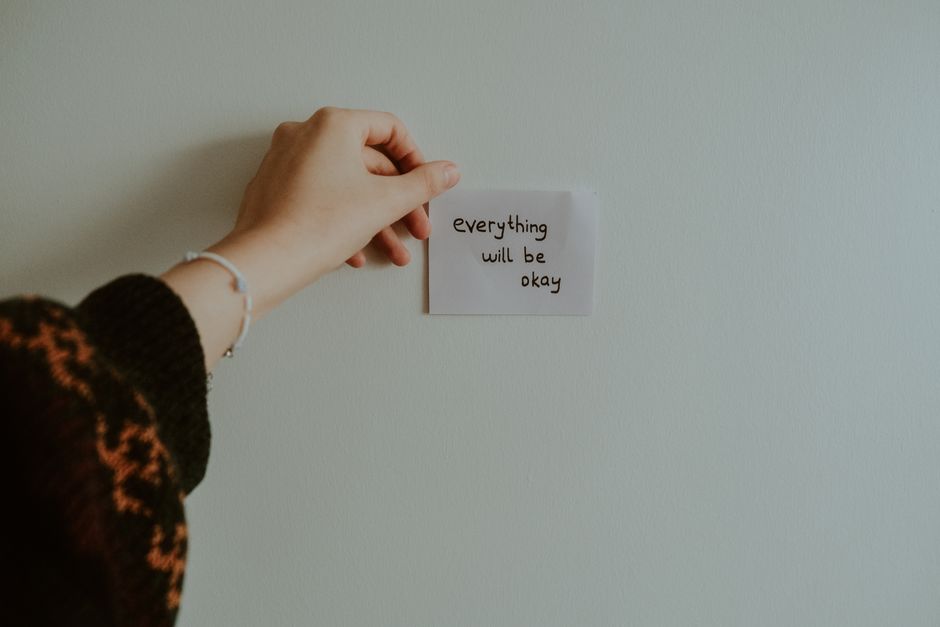
Yes, it is okay to call off work for your mental health. In fact, taking a day to address your mental health is just as legitimate as taking a sick day for a physical illness. Many employers now recognize mental health as a critical part of overall health, and using a sick day for it is a responsible choice, not a sign of weakness.
Is It Okay To Call Off Work For Mental Health?
Your brain is part of your body. When it is struggling, you cannot perform at your best. The same way you would not go to work with a high fever, you should not push yourself to work when you are experiencing severe anxiety, depression, or burnout. Taking a single day to reset can prevent a longer absence later.
The decision to call off is personal. There is no official medical rule that says you must stay home. But the evidence is clear that mental exhaustion affects your focus, decision-making, and patience. Working through a mental health crisis often makes things worse.
What Counts as a Legitimate Mental Health Day?
A mental health day is not a vacation. It is a specific day used to recover from symptoms that make it hard to function. These symptoms can include overwhelming anxiety, deep depression, panic attacks, or complete exhaustion that does not improve with sleep.
Legitimate reasons to stay home include:
- You cannot focus on your work without making errors.
- You are experiencing a panic attack or feel one coming on.
- You feel emotionally numb or detached from reality.
- You are having thoughts of self-harm or suicide.
- You are so exhausted that you cannot safely drive or operate equipment.
If you are having thoughts of harming yourself, a mental health day is not enough. Call or text 988 to reach the Suicide and Crisis Lifeline. This is a free, confidential service available 24/7 in the United States.
Does Your Employer Have to Accept It?
This depends on where you live and the size of your employer. The Family and Medical Leave Act (FMLA) is a federal law that allows eligible employees to take unpaid, job-protected leave for serious health conditions. This can include mental health conditions if you have a doctor’s note and meet the eligibility requirements.
For a single sick day, most employers accept a general sick leave request. You do not need to disclose your exact diagnosis. You can simply say you are not feeling well and need to take a sick day. This is honest and does not invite unnecessary questions.
Some states and cities have their own sick leave laws. These often require employers to allow a certain number of paid sick days per year. Check your local regulations or your employee handbook to understand your specific rights.





How to Ask for a Mental Health Day Without Overexplaining
You do not owe your employer a detailed explanation. A simple, professional message is enough. Here are examples of what you can say:
- “I am not feeling well today and will not be coming in.”
- “I need to take a sick day today to manage a health issue.”
- “I am under the weather and will be resting today.”
Avoid lying with elaborate stories. A brief, honest statement protects your privacy and maintains your credibility. You do not need to mention “mental health” specifically if you are not comfortable doing so.
If you have a supportive relationship with your manager, you can be more direct. Say something like, “I need a mental health day today to recharge. I will be back tomorrow.” This transparency can reduce stigma and build trust.
What Should You Actually Do on a Mental Health Day?
The goal is recovery, not productivity. A mental health day should be used to lower your stress levels and address what is draining you. This looks different for everyone.
Effective activities include:
- Sleeping in and resting without an alarm.
- Taking a walk outside in nature.
- Talking to a therapist or counselor.
- Writing down what is causing your stress.
- Doing gentle exercise like stretching or yoga.
- Spending time with a supportive friend or family member.
Avoid spending the day scrolling through work emails. Do not check your work messages. The purpose is to create distance from the stressor. If you spend the day worrying about work, you will not recover.
One day may not be enough. If you find yourself needing mental health days every week, that is a sign of a deeper problem. This could mean your job is not a good fit, your workload is unmanageable, or you have an untreated mental health condition. Consider talking to a doctor or therapist about what is happening.
Are Mental Health Days Backed by Research?
Research consistently shows that chronic stress harms physical health. It raises blood pressure, weakens the immune system, and increases the risk of heart disease. Taking a break from a stressful environment helps your body recover from these effects.
Studies on burnout show that recovery time is essential. When people do not take breaks, their performance drops and their risk of long-term disability increases. Some research suggests that short breaks from work improve mood and reduce fatigue. The exact number of days needed varies from person to person.
The evidence for mental health days is not about a specific number of days. It is about the principle that rest aids recovery. Your body and brain need time to repair. Ignoring this need leads to worse outcomes over time.
What If Your Job Culture Punishes Mental Health Days?
Some workplaces have a culture where taking any sick day is frowned upon. This is a problem with the workplace, not with you. You still have the right to take care of your health.
If you fear retaliation, document everything. Keep records of your sick leave requests and any negative responses. If you have a documented mental health condition, you may be protected under the Americans with Disabilities Act (ADA). This law requires employers to provide reasonable accommodations for qualified disabilities.
If your workplace is toxic or actively punishes you for taking legitimate sick time, it may be time to look for a new job. Your health is more valuable than any position. No paycheck is worth your mental stability.
When a Mental Health Day Is Not Enough
A single day off is a short-term solution. If you are experiencing symptoms that last for weeks, you need more support. This is not a personal failure. Mental health conditions are medical conditions that often require treatment.
Signs you need professional help include:
- Feeling sad, empty, or hopeless most of the day, nearly every day.
- Losing interest in activities you used to enjoy.
- Changes in appetite or sleep that last for weeks.
- Difficulty concentrating that affects your daily life.
- Thoughts of death or suicide.
Talk to your primary care doctor or a mental health professional. Therapy and medication are effective treatments for many mental health conditions. You do not have to manage this alone.
If you are in immediate danger or cannot keep yourself safe, go to the nearest emergency room or call 911.
Frequently Asked Questions
Can I call off work for anxiety?
Yes, you can call off work for anxiety if it is interfering with your ability to function. Use a standard sick day and simply say you are not feeling well.
Do I have to tell my boss it is for mental health?
No, you do not have to disclose the reason for a sick day. A brief statement that you are unwell is sufficient for most employers.
How many mental health days can I take?
This depends on your employer’s sick leave policy and your local laws. Check your employee handbook or your state’s sick leave regulations for the specific number of days you are allowed.
Is burnout a valid reason to miss work?
Burnout is a valid reason when it affects your ability to work safely or effectively. If burnout is severe or long-lasting, consider speaking with a healthcare professional.
