
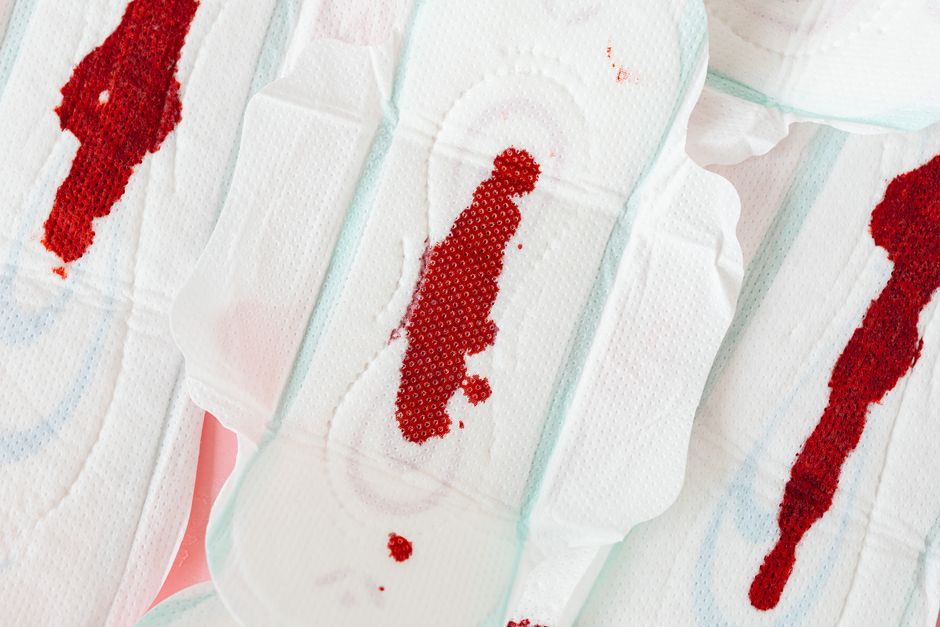
Bleeding during pregnancy is common, but it is never “normal” in the sense of being expected or harmless. Up to one in four pregnant women experiences some bleeding, especially in the first trimester, and many go on to have healthy babies. However, because bleeding can also be the first sign of a serious complication, every instance deserves a medical evaluation.
Is It Normal To Bleed During Pregnancy?
The short answer is no. Bleeding is not a standard part of a healthy pregnancy. It happens frequently, but frequency does not make it normal.
Think of it this way: a runny nose is common during a cold, but it is not a normal state of health. Similarly, vaginal bleeding during pregnancy is a symptom that requires attention. It may turn out to be harmless, but you cannot know that without a medical assessment.
Spotting, which is light bleeding that does not soak a pad, is more common than heavy bleeding. Still, even light spotting should be reported to your obstetrician or midwife promptly.
What Causes Bleeding in the First Trimester
The first 12 weeks of pregnancy carry the highest chance of bleeding. Implantation bleeding occurs when the fertilized egg attaches to the uterine lining, usually around the time your period would be due. This is typically very light and lasts only a day or two.
Hormonal changes can also cause light spotting. As the placenta develops, it produces hormones that alter the cervix. The cervix becomes more sensitive and may bleed slightly after intercourse or a pelvic exam. This is usually harmless.
However, first-trimester bleeding also signals a possible miscarriage. Miscarriage is the loss of a pregnancy before 20 weeks, and bleeding is often its first symptom. Cramping and passing tissue along with the bleeding increase that concern.
An ectopic pregnancy is another serious cause. This occurs when the embryo implants outside the uterus, usually in a fallopian tube. Ectopic pregnancies are medical emergencies. Bleeding from an ectopic pregnancy may be light or heavy, and it is often accompanied by sharp pelvic pain, sometimes on one side only.
What Causes Bleeding in the Second and Third Trimesters
Bleeding after 20 weeks is less common but more concerning. It always requires immediate medical attention.
Placenta previa is a condition where the placenta covers the cervix. It causes painless, bright red bleeding, often in the third trimester. The amount can range from light to very heavy.
Placental abruption is different. Here, the placenta separates from the uterine wall before delivery. This usually causes abdominal pain and firmness of the uterus, along with bleeding. The bleeding may be hidden, meaning blood collects inside the uterus and you see very little vaginally.
Preterm labor can also present with bleeding. This includes contractions and cervical changes before 37 weeks. The bleeding may come with a mucous discharge, sometimes called a bloody show.
In late pregnancy, a small amount of bloody mucus can be a normal sign that labor is approaching. This is the mucus plug passing. It is not dangerous by itself, but you should still inform your provider.




Spotting Versus Heavy Bleeding: What to Watch For
Understanding the difference helps you describe your symptoms accurately. Spotting means a few drops of blood on your underwear or toilet paper. You do not need a pad or panty liner to catch it.
Heavy bleeding means you are soaking through a pad every hour or less. It may include clots larger than a golf ball. Heavy bleeding with cramping or tissue passage requires emergency care.
Call your provider for any bleeding. Go to the emergency room if you experience any of these:
- Heavy bleeding that soaks a pad in under an hour
- Severe abdominal or pelvic pain
- Dizziness, fainting, or rapid heartbeat
- Fever or chills with bleeding
- Bleeding after a fall or other abdominal injury
Do not wait for your next scheduled appointment. Do not use tampons or douche while bleeding during pregnancy. Both can introduce bacteria into the vagina.
How Doctors Determine the Cause
Your provider will start with a physical exam and your medical history. They will ask about the amount of bleeding, the color, whether it is getting heavier, and whether you have pain.
An ultrasound is the most common diagnostic tool. It checks the fetus, the placenta, and the amount of amniotic fluid. Early in pregnancy, ultrasound can confirm the heartbeat and determine if the pregnancy is located in the uterus.
Blood tests measure pregnancy hormone levels. In early pregnancy, these levels typically rise every 48 to 72 hours. Falling or plateauing levels may indicate a failing pregnancy.
A pelvic exam may be performed to check the cervix. Your provider will determine if the cervix is closed or open. An open cervix in early pregnancy suggests a miscarriage may be in progress.
The specific tests depend on your gestational age and symptoms. No single test explains every case of bleeding.
Can You Prevent Bleeding During Pregnancy?
Most causes of pregnancy bleeding cannot be prevented. You cannot prevent implantation bleeding, placenta previa, or most miscarriages. These are not caused by anything you did or failed to do.
Some research suggests that avoiding heavy lifting, vigorous exercise, and intercourse may reduce bleeding risk in women with a history of pregnancy complications. But for most women, these activities do not cause bleeding.
What you can do is monitor your body and report changes early. Attend all prenatal appointments. Know the warning signs that require emergency care. Early detection of complications like placenta previa allows for planning and monitoring that improves outcomes.
Do not smoke, use alcohol, or use recreational drugs during pregnancy. These substances increase the risk of placental problems and bleeding.
What Happens After a Bleeding Episode
The outcome depends entirely on the cause. If the bleeding is from implantation, cervical sensitivity, or a minor issue, the pregnancy typically proceeds normally. Your provider may recommend pelvic rest, meaning no intercourse or tampons, for a period of time.
If the bleeding is from a threatened miscarriage, meaning the cervix is closed and the fetus has a heartbeat, bed rest is sometimes advised. The evidence that bed rest prevents miscarriage is limited. Your provider will guide you based on your specific situation.
If a miscarriage is confirmed, the pregnancy cannot be saved. Your provider will discuss options for management, which may include waiting for natural passage, medication, or a surgical procedure called dilation and curettage.
Bleeding from placenta previa or abruption may require hospitalization. You may need close monitoring until delivery, and delivery is often by cesarean section.
After any bleeding episode, your provider will schedule follow-up appointments to monitor the pregnancy closely.
Bleeding After Intercourse During Pregnancy
Intercourse can cause light spotting during pregnancy. Increased blood flow to the cervix and hormonal changes make the cervical tissue more fragile. Friction can irritate it, causing a small amount of bleeding.
This is generally harmless. The bleeding is usually light and stops on its own within a day. It does not harm the fetus, which is well protected inside the amniotic sac.
However, you should still report it to your provider. Some conditions, like placenta previa or an incompetent cervix, make intercourse unsafe. Your provider will tell you if you need to avoid intercourse entirely.
If the bleeding after intercourse is heavy or accompanied by pain, seek medical attention.
When Bleeding Is an Emergency
Some bleeding situations cannot wait for a clinic appointment. Heavy bleeding is always an emergency. So is bleeding with severe pain, fever, or signs of shock.
An ectopic pregnancy can rupture a fallopian tube. This causes internal bleeding and is life-threatening. Symptoms include sharp pelvic pain, shoulder pain, dizziness, and fainting. If you have these symptoms, go to the emergency room immediately.
Placental abruption can deprive the fetus of oxygen. Heavy bleeding with abdominal pain in the third trimester is an emergency.
Trust your instincts. If you feel something is wrong, seek care. It is always better to be evaluated and find nothing serious than to delay care for a genuine emergency.
Frequently Asked Questions
Can you bleed and still be pregnant?
Yes. Up to one in four women bleeds during early pregnancy, and many of these pregnancies continue normally. Bleeding does not automatically mean pregnancy loss, but it does require evaluation.
How much bleeding is normal during pregnancy?
No amount of bleeding is normal, though light spotting is common and often harmless. Heavy bleeding that soaks a pad in under an hour is never normal and requires emergency care.
Is bright red blood during pregnancy an emergency?
Bright red blood is more concerning than brown or pink discharge, but it is not always an emergency. Contact your provider immediately to determine the cause and next steps.
Can bleeding during pregnancy hurt the baby?
The baby is protected inside the amniotic sac, so light bleeding itself does not harm the fetus. The underlying cause, such as placental abruption, can affect the baby, which is why medical evaluation is essential.
