
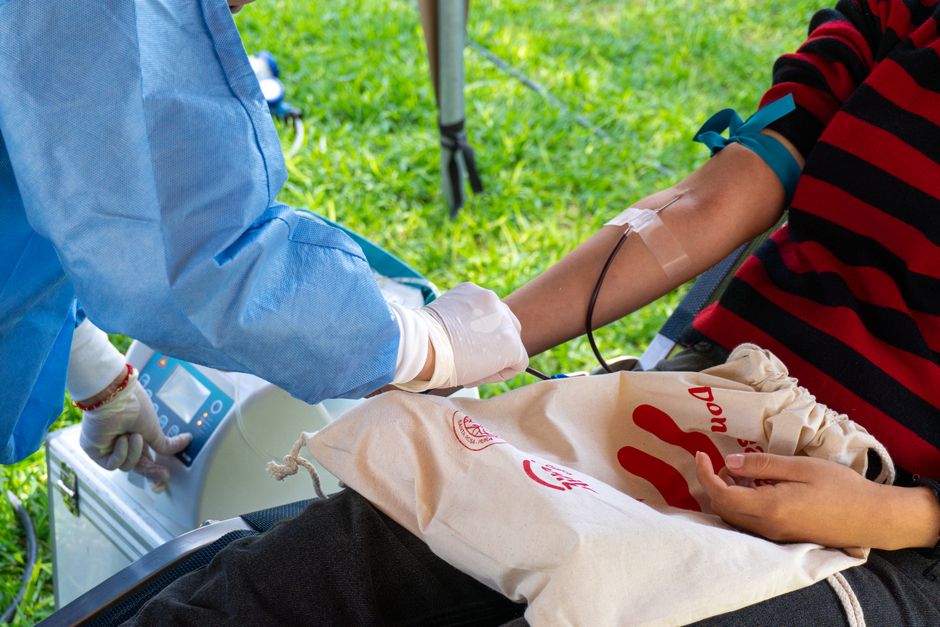
Yes, feeling tired after donating blood is normal. A standard whole blood donation removes about 1 pint (roughly 450–500 mL), and your body has to replace that volume and the cells in it. Most people feel back to normal within a day or two, though some feel worn out for longer. The tiredness is a real physical response, not a sign that something went wrong.
What matters is knowing what typical fatigue looks like, what helps your body recover, and which symptoms fall outside the normal range. That distinction is what this guide covers.
Is It Normal To Be Tired After Donating Blood?
Fatigue is one of the most common complaints after donation, and it has a clear physical cause. When you give blood, you lose red blood cells along with fluid. Red blood cells carry oxygen using hemoglobin, so for a short time your body has less oxygen-carrying capacity than it did before.
You also lose blood volume. Your body responds by shifting fluid from surrounding tissues into your bloodstream to restore volume, which usually happens within about 24 hours. But the red blood cells themselves take longer to replace. The plasma portion is largely restored within a day or so. Hemoglobin levels typically return to baseline over several weeks — the American Red Cross notes it can take several weeks for the body to fully replace the red blood cells lost in a whole blood donation. That gap helps explain why some people feel a bit flat for a week or more even after the lightheadedness passes.
There is a detail many people miss. The tiredness you feel right after donating is often tied to the drop in blood volume and a brief dip in blood pressure. The longer, subtler fatigue some people notice over the following days is more about red blood cell replacement. These are two different phases of recovery.
What Causes the Tiredness After a Blood Donation?
Several things happen at once, and each contributes to feeling tired.
- Lower blood volume: You have less fluid circulating, so your heart works slightly harder and your blood pressure can dip, especially when you stand up quickly.
- Fewer red blood cells: Less hemoglobin means less oxygen delivered to muscles and organs until your body rebuilds its supply.
- Blood pressure changes: A temporary drop can cause lightheadedness, dizziness, and a general sense of weakness.
- The donation process itself: Sitting still for the draw, the mild stress of the appointment, and not eating or drinking enough beforehand can all add to fatigue.
Iron matters here too. Hemoglobin is built with iron, and each donation removes a meaningful amount of it. If your iron stores were already low, replacing red blood cells can take longer, and the fatigue may last longer as a result. This is one reason blood centers check hemoglobin before every donation — to protect donors, not just recipients.
How Long Does Tiredness Last After Donating Blood?
For most healthy adults, the noticeable fatigue eases within 24 to 48 hours. Lightheadedness usually passes within hours if you rest, eat, and drink fluids.
The timeline varies from person to person. Factors that tend to extend it include lower body weight, low iron stores before donating, skipping meals or fluids beforehand, and donating frequently. First-time donors sometimes feel more wiped out simply because the experience is new.
A general sense of being slightly more tired than usual for a week or two is not unusual. If fatigue is still clearly limiting your daily activities beyond a couple of weeks, that is a reasonable point to check in with a healthcare professional. Persistent fatigue after donation can occasionally reflect low iron, and a simple blood test can clarify whether that is the case.
What Helps You Recover Faster After Giving Blood?
Recovery is mostly about giving your body the raw materials it needs. Blood centers generally advise drinking extra fluids and eating a snack right after donating, and keeping up with fluids for the rest of the day.
Iron-rich foods support red blood cell rebuilding. That includes lean red meat, poultry, fish, beans, lentils, spinach, and iron-fortified cereals. Vitamin C helps your body absorb iron from plant sources, so pairing those foods with citrus, peppers, or tomatoes is a practical step. Some blood centers provide iron information to donors, and some clinicians suggest a short course of iron supplements after donation — but supplement use is not universally recommended, and iron can cause side effects and is harmful in excess. Talk to a clinician before starting iron supplements rather than deciding on your own.
Practical steps that help most people:
- Drink more water than usual for the rest of the day.
- Eat regular meals and do not skip breakfast before or after donating.
- Avoid strenuous exercise and heavy lifting for the remainder of the day.
- Stand up slowly to reduce lightheadedness.
- Keep any bandage on for the time your blood center advises.
Alcohol is worth mentioning. It adds to dehydration, so skipping it for the rest of the day after donating is sensible.
When Should You Worry About Fatigue After Donating Blood?
Most post-donation tiredness is harmless. Some symptoms are not, and they warrant medical attention.
Seek care if you experience chest pain, shortness of breath that does not settle with rest, fainting, confusion, a rapid or irregular heartbeat, or continued bleeding or a growing bruise at the needle site. These are uncommon, but they are not things to wait out.
Also check in with a clinician if fatigue is severe, keeps getting worse, or lasts well beyond a couple of weeks. The same applies if you notice other signs that can accompany low iron — pale skin, unusual breathlessness with mild activity, brittle nails, or a racing heart. Fatigue alone is a vague symptom, and low iron is only one possible cause. A clinician can sort out whether your symptoms relate to the donation or something else.
Who Is More Likely to Feel Tired After Donating?
Some donors are more prone to fatigue than others. People with lower body weight have less blood volume to spare, so the same donation represents a larger share of their total. People who already have low iron stores, including many who menstruate, may take longer to bounce back.
Frequent donors are another group to watch. Donating regularly without enough time between donations can gradually deplete iron stores. Blood centers set minimum intervals between donations specifically to protect donors, and following those intervals matters. Whole blood donation in the United States typically requires a waiting period of about eight weeks between donations, though you should follow the specific guidance of the center you use.
Age and general health play a role too. Older donors and those with chronic conditions may feel the effects more, which is why blood centers screen donors and set eligibility rules. If you are unsure whether you are a good candidate, the screening process at the blood center is designed to catch problems before you donate.
Does Donating Blood Affect Your Energy in the Days After?
For many people, yes — mildly. You may notice you tire a little more easily during exercise or feel sleepy earlier in the evening for a few days. This is generally mild and improves as blood volume and red blood cells recover.
It helps to think of it as a temporary dip rather than a lasting change. Your body is actively rebuilding. Most healthy adults return to their usual energy within a few days to a couple of weeks, with the longer end more common when iron stores were low to begin with. If you donate regularly, paying attention to iron in your diet is a reasonable long-term habit.
Frequently Asked Questions
How long should you rest after donating blood?
Most blood centers advise resting for about 10 to 15 minutes after the draw and avoiding strenuous activity for the rest of the day. Follow the specific guidance given at your donation center.
Should you sleep after donating blood?
Resting or napping after donating is fine and can help if you feel lightheaded or worn out. There is no rule requiring sleep, but listening to your body and taking it easy for the remainder of the day is sensible.
Is it normal to feel weak the day after donating blood?
Mild weakness and tiredness the day after donating are common and usually pass within a day or two. Weakness that is severe, worsening, or accompanied by chest pain, fainting, or shortness of breath should be checked by a healthcare professional.
Can donating blood make you tired for a week?
Some people do feel more tired than usual for up to a week or two, especially if their iron stores were low before donating. Fatigue that clearly limits daily activities beyond a couple of weeks is worth discussing with a clinician.
