
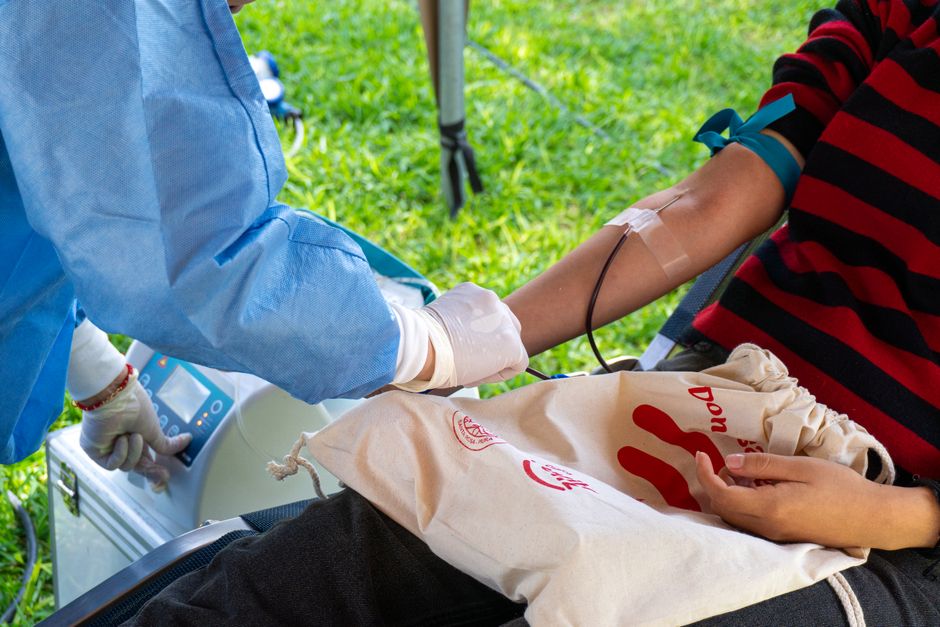
Donating plasma is safe for most healthy adults when done at a licensed collection center that follows FDA rules. The process removes plasma — the liquid part of your blood — and returns your red blood cells and platelets to your body. Your body replaces the plasma it lost, usually within a few days, and serious complications are uncommon. The main downsides are time, mild side effects like dizziness or bruising, and temporary fatigue.
What Happens to Your Body When You Donate Plasma?
Plasma makes up about 55 percent of your blood volume. It is mostly water, but it also carries proteins that help your blood clot, fight infection, and keep fluid balanced in your vessels. When you donate, a machine draws your blood, separates out the plasma, and returns the rest of your blood cells to you, often with some saline fluid to help replace volume.
A standard plasma donation removes roughly 600 to 800 milliliters of plasma, depending on your weight and the center’s protocol. That sounds like a lot, but your body begins replacing the fluid within hours. The proteins take longer. Albumin, one of the main plasma proteins, returns to normal levels over days to a couple of weeks. Antibodies and clotting factors take a bit longer to fully rebound.
This is why donation centers require a waiting period between plasma donations. The FDA allows plasma collection as often as every 28 days at most centers, though some programs use different schedules. The gap exists to let your protein levels recover, not because donation is dangerous.
Is It Healthy To Donate Plasma? What the Evidence Shows
For most healthy adults, donating plasma does not harm your health. Large-scale collection programs have operated for decades, and the safety record is well documented. The question of whether it offers any health benefit is different, and the evidence there is much thinner.
Some small studies have looked at whether regular plasma donation affects cholesterol, blood pressure, or markers of heart health. Results are mixed and the studies are small. No large, well-controlled trial has shown that donating plasma improves long-term health outcomes. Claims that plasma donation “detoxifies” your blood or “rejuvenates” your system are not supported by clinical evidence. Your liver and kidneys handle waste removal. Plasma donation does not meaningfully change that.
What is well established is the benefit to the people who receive your plasma. Plasma-derived therapies treat immune deficiencies, bleeding disorders, and serious burns. Some of these patients depend on donated plasma to survive. That is a real and documented benefit — just not one that flows back to the donor’s own body.
What Are the Side Effects of Donating Plasma?
Most side effects are mild and pass quickly. The most common ones reported at collection centers include:
- Lightheadedness or dizziness during or after donation
- Bruising or soreness at the needle site
- Feeling tired for a few hours
- Cold sensation from the saline fluid returned to your body
- Citrate reaction — a tingling in the lips or fingers caused by the anticoagulant used during the process
The citrate reaction deserves a note. Collection centers use sodium citrate to keep blood from clotting in the tubing. Some of it enters your bloodstream and can temporarily lower your calcium levels, which causes the tingling. It usually resolves on its own or with a calcium supplement the center provides. If tingling spreads or you feel muscle cramps, tell the staff — they can slow the machine.
More serious complications are rare. These include fainting, a hematoma (blood pooling under the skin), and infection at the needle site. Serious reactions like air embolism or nerve injury are very uncommon but have been reported in the medical literature.
Who Should Not Donate Plasma?
Plasma donation is not safe for everyone. Collection centers screen donors for eligibility, and the rules exist for good reason. You should not donate plasma if you:
- Weigh less than 110 pounds (the FDA minimum for plasma donors)
- Have certain infections, including HIV, hepatitis B or C, or active infections
- Have a bleeding disorder or take blood thinners
- Have uncontrolled heart disease, kidney disease, or liver disease
- Are pregnant or have recently given birth
- Have cancer or are receiving cancer treatment
- Have had certain organ transplants
- Use intravenous drugs
Some of these restrictions are permanent and some are temporary. Centers also check your protein and hemoglobin levels before each donation. If your protein is too low, they will ask you to wait. This is a safety check, not a judgment about your health.
If you take medications, tell the collection center. Some medications disqualify you temporarily. Others do not. The center’s medical staff makes that call based on current FDA guidance.
How Often Can You Donate Plasma Safely?
The FDA allows plasma donation as often as every 28 days at licensed centers, though some programs permit more frequent donations under specific protocols. The 28-day interval is designed to give your body time to replace plasma proteins.
Donating more often than the center’s guidelines allow is not safe. Repeated plasma removal without adequate recovery can lower your protein levels and affect your immune function and clotting. Collection centers track your donation history to prevent this. Trying to donate at multiple centers to get around the waiting period is dangerous and is grounds for permanent deferral.
If you feel run down, notice more frequent illnesses, or your protein levels drop, talk to the center’s medical staff. They can adjust your schedule or advise you to pause.
Does Donating Plasma Hurt or Weaken Your Immune System?
Plasma donation does not weaken your immune system in any lasting way. Your body produces plasma proteins continuously, and the cells that make antibodies — B cells — stay in your body. You are not losing immune cells, only the liquid they travel in.
Some donors report feeling more tired or catching colds more often when they donate frequently. Whether this is directly caused by donation or by other factors is not well established. The evidence is limited. If you notice a pattern, it is reasonable to space out your donations and mention it to your doctor.
The needle stick itself causes brief discomfort. Most donors describe it as a quick pinch. The process takes about 45 minutes to an hour and a half, most of which is machine time. You can read, watch something, or rest during that period.
What Should You Do Before and After Donating Plasma?
Preparation matters more than most people realize. Eat a full meal within a few hours before donating. Avoid fatty foods — they can make your plasma cloudy and may cause the center to defer you. Drink plenty of water in the 24 hours before your appointment. Alcohol and strenuous exercise right before donation increase your risk of dizziness.
After donation, keep the bandage on for a few hours. Drink extra fluids for the rest of the day. Avoid heavy lifting or intense exercise for the remainder of the day. If you feel lightheaded, sit or lie down and elevate your feet.
Most people feel normal within a few hours. Some feel tired into the next day. If you have persistent dizziness, unusual bruising, or signs of infection at the needle site — redness, swelling, warmth, or fever — contact the collection center or your doctor.
Is Plasma Donation the Same as Blood Donation?
No. Whole blood donation removes red blood cells, white blood cells, platelets, and plasma all at once. Plasma donation removes only the plasma and returns the rest. That difference matters for recovery time. Whole blood donors typically wait eight weeks between donations because red blood cells take longer to regenerate. Plasma donors can return sooner because they keep their red blood cells.
Plasma donation also takes longer than whole blood donation. Whole blood takes about 10 to 15 minutes. Plasma takes closer to an hour or more because the machine cycles blood out and back in multiple times.
Is Donating Plasma for Money Safe?
Paid plasma donation is legal in the United States and is how most collection centers operate. The safety of the process does not change based on payment. What matters is that the center is licensed and follows FDA regulations. Licensed centers are inspected and must meet standards for equipment, screening, and record-keeping.
Payment can create pressure to donate more often than is safe. If you are donating for money, stick to the center’s schedule. Do not skip meals to save time. Do not donate at multiple centers. The health risks of plasma donation come from ignoring the rules, not from the donation itself.
Frequently Asked Questions
Is it healthy to donate plasma regularly?
For most healthy adults, donating plasma at the FDA-allowed interval of every 28 days is considered safe. There is no strong evidence that regular donation improves your own health, but it does not appear to cause lasting harm when done within guidelines.
How long does it take to recover from plasma donation?
Most people feel normal within a few hours, though some feel tired for a day. Your plasma volume is replaced within hours to a few days, while plasma proteins take longer to fully return to baseline.
Can donating plasma make you sick?
Plasma donation does not weaken your immune system in any lasting way. Some donors report feeling more tired or catching colds more often with frequent donation, but the evidence for this is limited.
Who should not donate plasma?
People who weigh under 110 pounds, have certain infections, bleeding disorders, uncontrolled organ disease, or are pregnant should not donate plasma. Collection centers screen for these conditions before every donation.
