
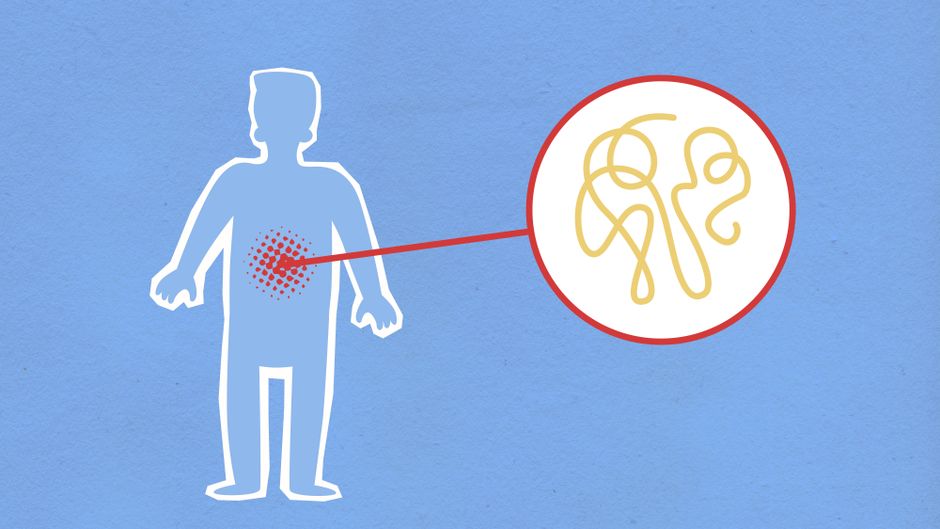
That swollen, heavy feeling in your belly can come from two very different places, and they need very different responses. Bloat is gas and fluid trapped in your gut. It changes how your belly looks and feels within hours. Fat is stored tissue that builds up slowly over weeks and months. You can usually tell them apart by timing, texture, and whether the swelling comes and goes.
What Is the Difference Between Bloat and Fat?
Bloat is temporary. Fat is structural. That single difference explains almost everything else about how each one behaves.
Bloat happens when your digestive tract holds more gas or fluid than usual. The intestines are a long, folded tube that sits in the abdomen. When gas builds up inside it, the walls stretch. That stretching is what you feel as pressure, fullness, or tightness. It can make your belly look visibly larger — sometimes by several inches around the waist — in a matter of hours.
Fat is adipose tissue. It sits under the skin (subcutaneous fat) and around the organs (visceral fat). It does not appear or disappear in a day. It accumulates gradually when you consistently take in more energy than you use, and it reduces gradually when the reverse is true.
Here is a point many people miss: a bloated belly and a belly with more fat can look almost identical in a mirror. The difference is in the behavior, not just the appearance. Bloat fluctuates. Fat is stable.
How Can You Tell If It’s Bloat or Fat?
Timing is the most reliable clue. Bloat changes within hours. Fat changes over months.
Ask yourself these questions:
- Does your belly look different in the morning versus the evening? Bloat often worsens through the day and is flatter after sleep. Fat does not shift on that schedule.
- Does the swelling come and go across days or weeks? Bloat does. Fat does not.
- Does your belly feel hard and tight, or soft and fleshy? Bloat tends to feel tight and pressurized. Fat feels soft and squishy to the touch.
- Does pressing on your belly produce discomfort or a feeling of trapped gas? That points toward bloat.
- Have your clothes fit differently in a stable way for months? That pattern is more consistent with fat gain.
One practical test: measure your waist at the same spot in the morning and again in the evening for several days. A waist that swings by an inch or more within a day is behaving like bloat. A waist that stays steady but has crept up over months is behaving like fat.
What Actually Causes Bloating?
Bloating has many possible causes, and they are not all about food. The most common drivers involve gas production, fluid shifts, and how your gut muscles move.
Gas from fermentation. When undigested carbohydrates reach the large intestine, gut bacteria ferment them and produce gas. Beans, lentils, onions, garlic, wheat, and some fruits and vegetables are common triggers. This is normal physiology, not a sign of disease.
Swallowed air. Eating quickly, drinking through straws, chewing gum, and carbonated drinks all add air to your gut.
Constipation. When stool backs up, gas and contents accumulate. This is one of the most common and most overlooked causes of persistent bloating.
Fluid retention. Hormonal shifts — particularly around menstruation — can cause fluid retention that shows up as abdominal swelling. This is temporary and cyclical.
Gut sensitivity. Some people feel bloated with normal amounts of gas. Research on irritable bowel syndrome suggests that altered pain signaling in the gut, not excess gas alone, explains symptoms in many cases.
Slower gut transit. If the muscles of the digestive tract move more slowly, contents and gas linger longer.
Less common causes include food intolerances, small intestinal bacterial overgrowth, and certain medications. Persistent or severe bloating that does not respond to basic changes deserves a medical evaluation — not because it is usually serious, but because a few of the possible causes need proper diagnosis.
Why Does Belly Fat Build Up?
Belly fat accumulates when energy intake exceeds energy use over time. Genetics, age, hormones, sleep, and stress all influence where that fat is stored.
Fat storage patterns are partly inherited. Some people store more fat around the abdomen and less elsewhere. This is especially true for men and for women after menopause, when shifts in estrogen are associated with more abdominal fat storage.
Visceral fat — the fat around the organs — is the type most linked to health risks. Research consistently shows that excess visceral fat is associated with higher risk of type 2 diabetes and cardiovascular disease. Subcutaneous fat, the kind you can pinch, is less strongly linked to those risks.
Age matters too. Muscle mass tends to decline with age, and lower muscle mass means a lower resting metabolic rate. That makes it easier to gain fat without changing how much you eat.
Alcohol deserves a mention because it is often linked to belly fat in popular discussion. The relationship is real but more modest than the “beer belly” name suggests. Total calorie intake and overall body weight matter more than alcohol alone.
Can Bloating Make You Look Like You’ve Gained Weight?
Yes. Bloating can add visible inches to your waist in a single day, and that can look and feel like sudden weight gain.
But it is not weight gain in the sense of added fat. The scale might go up because of retained fluid or gut contents, but that is temporary mass, not stored tissue. A person can look noticeably larger in the evening and return to baseline by morning without losing any fat.
This is why weighing yourself during a bloated period can be misleading. Water weight and gut contents can shift the number on the scale by a few pounds within a day. Those fluctuations do not reflect fat gain or fat loss.
The reverse is also true. A person can lose fat steadily while feeling bloated, and the bloating masks the progress in the mirror. Judging body change by how your belly looks on any single day is unreliable.
What Helps With Bloating?
Most bloating responds to simple changes in eating habits and gut routine. None of these are cures, but many people notice improvement.
- Eat more slowly and chew thoroughly. This reduces swallowed air.
- Address constipation first. Regular fiber intake, adequate fluid, and physical activity support normal bowel function. If constipation is the root cause, treating it often reduces bloating substantially.
- Keep a brief food and symptom diary. Patterns are easier to spot than single meals.
- Try reducing carbonated drinks and chewing gum.
- Consider whether specific foods consistently trigger symptoms. Lactose and certain fermentable carbohydrates are common culprits. A clinician or dietitian can help you test this systematically rather than cutting foods at random.
- Stay physically active. Movement supports normal gut motility.
Some clinicians recommend peppermint oil capsules for bloating and abdominal discomfort, and some studies suggest benefit for IBS-related symptoms. The evidence is not strong enough to call it established treatment, and it is not appropriate for everyone. Probiotics are widely marketed for bloating, but study results vary considerably across strains and products. No single probiotic has been established as a reliable fix.
What Actually Reduces Belly Fat?
Belly fat reduces when you sustain a calorie deficit over time. There is no exercise or food that targets belly fat specifically.
This is one of the most persistent myths in fitness marketing. You cannot spot-reduce fat from your abdomen by doing abdominal exercises. Core exercises strengthen muscles, but they do not burn fat from the overlying area. Fat loss happens across the body according to your genetics and hormones.
What does work is well established:
- A sustained calorie deficit, achieved through diet, activity, or both.
- Regular physical activity, including both aerobic exercise and strength training.
- Adequate sleep. Short sleep is associated with weight gain and increased appetite in multiple studies.
- Managing stress, which can influence eating patterns and hormones.
Even modest weight loss — in the range of 5 to 10 percent of body weight — is associated with meaningful improvements in metabolic health markers in people with excess weight. That is a well-supported finding, not a marketing claim.
When Should You See a Doctor?
Bloating is usually harmless, but some patterns warrant medical attention.
See a doctor if bloating is persistent and does not improve with basic changes, if it comes with unexplained weight loss, if it is accompanied by severe pain, vomiting, blood in the stool, or changes in bowel habits that last more than a few weeks. These signs do not mean something serious is present, but they are reasons to get evaluated rather than wait.
Also worth a conversation: bloating that is new and severe, or that comes with fever or inability to pass gas or stool. Those can signal a blockage or other acute problem and need prompt care.
Frequently Asked Questions
How can I tell if my belly is bloated or fat?
Bloat changes within hours and often worsens through the day, while fat builds slowly over weeks and months. Measuring your waist morning and evening for several days usually makes the pattern clear.
Can bloating add inches to your waist?
Yes, gas and fluid in the gut can visibly increase waist size within a single day. That change is temporary and does not reflect added fat.
Does bloating mean I gained weight?
No, bloating is gas and fluid, not stored fat tissue. The scale can shift by a few pounds from water and gut contents, but that is not fat gain.
Can you lose belly fat by doing ab exercises?
No, spot reduction is not supported by evidence. Core exercises build muscle but do not burn fat from the overlying area; fat loss happens across the body with a sustained calorie deficit.
