
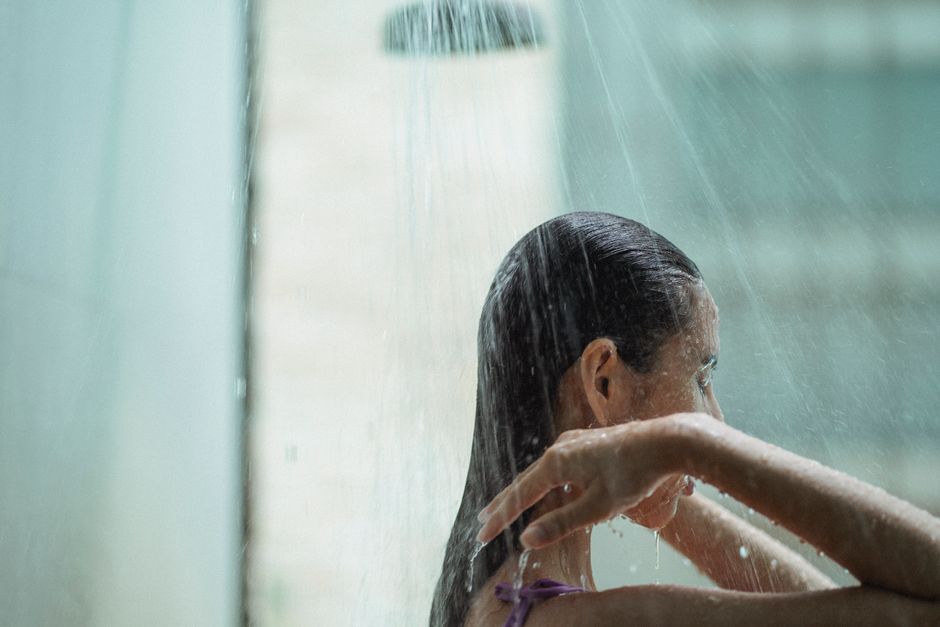
Washing your hair with cold water won’t damage it, and it may help preserve shine and reduce frizz. But cold water does not clean hair as effectively as warm water, and it cannot fix hair loss, repair split ends, or make hair grow faster. The best approach for most people is warm water for washing and a cooler rinse at the end if you like the feel.
That short answer surprises people. Cold-water rinses have a strong reputation online. Some of that reputation is earned. Some of it is marketing dressed up as science. Here is what the evidence actually supports.
What Does Cold Water Actually Do to Hair?
Hair is made of keratin, a protein, arranged in overlapping scales called the cuticle. When hair is wet, the cuticle lifts slightly. Hot water lifts it more. Cold water causes the cuticle to lie flatter.
A flatter cuticle reflects more light. That is the physical reason cold-water rinses can make hair look shinier. It is a real effect, not a myth. The change is temporary and lasts until the next wash.
Cold water also reduces the amount of natural oil, called sebum, that hot water strips from the scalp. Sebum coats the hair shaft and protects it. Washing with very hot water removes more of it, which can leave hair dry and brittle over time.
One point worth understanding: the temperature of the water matters most at the rinse stage. Scalp washing with comfortably warm water does the cleaning work. A cooler final rinse is where the cuticle-flattening benefit comes from.
Does Cold Water Clean Hair as Well as Warm Water?
No. Warm water cleans better. This is one of the clearest findings in hair care, and it is simple chemistry.
Sebum and styling products are oily substances. Warm water softens and loosens them. Shampoo surfactants work more effectively when the oil they are targeting is warm and mobile. Cold water makes oils stiffer and harder to lift away.
If you switch entirely to cold-water washing, you may notice:
- Hair that feels less clean after washing
- Product buildup that accumulates faster
- A scalp that feels oilier between washes
The practical compromise most dermatologists describe is warm — not hot — water for the wash, followed by a cooler rinse. Water that feels comfortably warm to the touch is the target. Scalding hot water is the one to avoid.
Is It Better To Wash Hair With Cold Water for Hair Loss or Growth?
No. Water temperature does not affect hair growth. This is worth stating plainly because it is one of the most common cold-water claims online.
Hair growth happens in the follicle, below the skin surface. The follicle’s growth cycle is controlled by hormones, genetics, nutrition, and blood flow — not by the temperature of water running over the scalp. Cold water constricts surface blood vessels briefly. That effect does not reach the follicle in any way that changes growth.
Hair loss has real, identifiable causes: genetic pattern baldness, thyroid conditions, iron deficiency, hormonal changes, certain medications, and stress-related shedding. None of these are treated by cold water. If you are losing hair, the useful step is a medical evaluation, not a temperature change.
Cold water can make hair look thicker because a flatter cuticle makes each strand appear smoother and fuller. That is a cosmetic effect on appearance, not a change in the number or thickness of strands.
What About Scalp Health and Dandruff?
Warm water helps shampoo and medicated treatments work. If you use a dandruff shampoo or a scalp treatment, washing with warm water supports the active ingredients doing their job.
Cold water is not harmful to the scalp. It can feel soothing, and it may reduce itching for some people. But there is no strong evidence that cold water treats dandruff, seborrheic dermatitis, or scalp inflammation. Conditions like these need appropriate treatment, and a water temperature change is not a substitute.
One genuine benefit: very hot water can irritate a sensitive scalp and worsen dryness. If your scalp is reactive, lukewarm water is gentler than hot. That is a real reason to avoid high heat, separate from any cold-water claims.
Who Might Benefit From a Cold Rinse?
People with certain hair types tend to notice more benefit from a cool final rinse. The effect is cosmetic, but it is real.
- Frizzy or porous hair: A flatter cuticle means less frizz and more smoothness.
- Color-treated hair: Cooler water may help slow color fading, since heat opens the cuticle and lets dye escape.
- Fine hair seeking volume: The smoother cuticle can make strands look fuller.
- Oily scalps: A cooler rinse after a warm wash can help without stripping too much oil.
People with a sensitive scalp or dry, brittle hair may find cold water uncomfortable or unnecessary. There is no rule that requires it. If a cold rinse feels unpleasant, skip it — the benefit is modest.
How Should You Wash Your Hair, Practically?
The evidence points to a simple routine rather than an all-cold or all-hot approach. Temperature is one small variable among several that matter more.
Use comfortably warm water to wet the hair and work in shampoo. Massage the scalp gently with fingertips, not nails. Rinse thoroughly. If you want the cuticle benefit, finish with a cooler rinse for the last part of the wash.
How often you wash matters more than temperature for most people. Daily washing suits some hair types and scalps; others do better washing every few days. Shampoo choice, conditioner use, heat styling, and how roughly you handle wet hair all have larger effects on hair health than water temperature alone.
Wet hair is more fragile than dry hair. Rough towel drying and brushing wet hair cause more breakage than any water temperature will prevent. Pat the hair dry and detangle gently.
What the Cold-Water Claims Get Wrong
A few claims circulate widely and are not supported by evidence. It helps to know which is which.
“Cold water seals the hair cuticle permanently.” The cuticle flattens temporarily. It does not stay sealed. The effect fades as hair dries and is exposed to heat and handling.
“Cold water makes hair grow faster.” No. Growth is controlled at the follicle and is not influenced by rinse temperature.
“Cold water repairs split ends.” No. Split ends are structural damage to the hair shaft. Nothing repairs them except trimming. Cold water may make them less visible by smoothing the cuticle, but the damage remains.
“Hot water causes hair loss.” Hot water can dry and irritate the scalp and damage the hair shaft, but it does not cause hair loss in the medical sense. The link is overstated.
What cold water does do is modest and real: it smooths the cuticle, preserves some natural oil, and can improve shine and reduce frizz. That is a fair description of the benefit. Anything beyond that is marketing.
Frequently Asked Questions
Is it better to wash hair with cold water every day?
No. Cold water cleans less effectively than warm water, so washing daily with only cold water can leave oil and product behind. A warm wash with an optional cool rinse works better for most people.
Does cold water make hair grow faster?
No. Hair growth is controlled by the follicle and is not affected by water temperature. Cold water may make hair look fuller by smoothing the cuticle, but it does not change growth.
Can cold water damage your hair?
No, cold water does not damage hair. Very hot water is the bigger concern because it can strip natural oils and lift the cuticle, leaving hair drier and more fragile.
Should I rinse conditioner out with cold water?
A cool final rinse after conditioning is fine and may help smooth the cuticle. Make sure the conditioner is fully rinsed out, since cold water makes residue harder to remove.
