
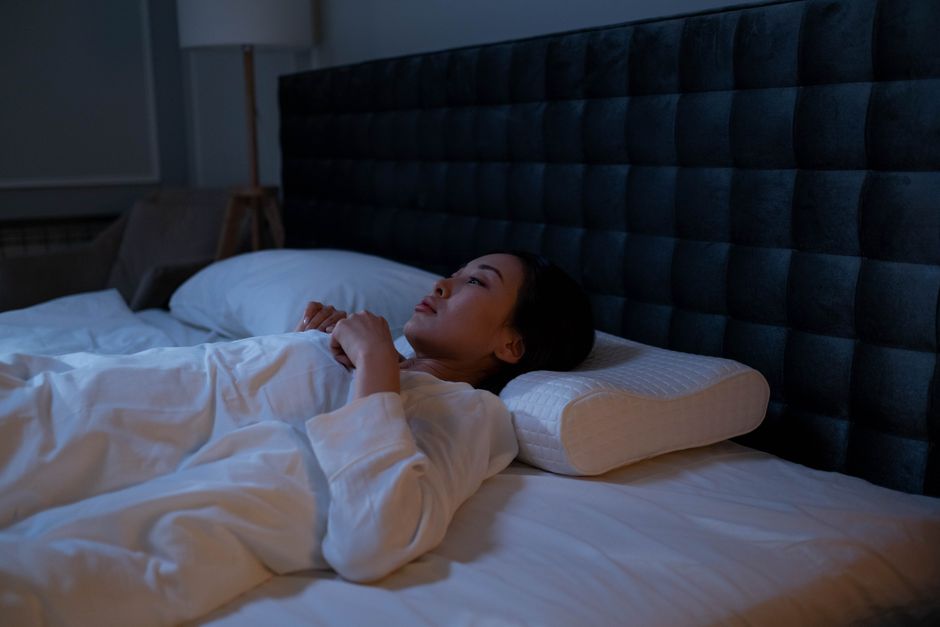
Sleeping without a pillow is not bad for most healthy adults. Your body does not require a pillow to sleep safely, and many people sleep fine without one. Whether it helps or hurts depends on your sleep position, your neck and back health, and how your mattress supports you.
That answer surprises people. Pillows are so common that going without one can feel like skipping something essential. But a pillow is a comfort tool, not a medical necessity. What matters is whether your head, neck, and spine stay in a neutral line while you sleep.
What Does a Pillow Actually Do for Your Body?
A pillow fills the gap between your head and the mattress. That gap changes depending on how you lie down.
When you sleep on your side, your head needs support to stay level with your spine. Without it, your neck can bend sideways or drop downward. When you sleep on your back, the natural curve of your neck needs a small amount of support so your head does not tilt back or roll to one side.
So the job of a pillow is simple. It keeps your head and neck aligned with the rest of your spine. A pillow that is too thick or too thin can push your neck out of line just as easily as no pillow at all.
That is the key point. The question is not really “pillow or no pillow.” It is whether your neck stays in a comfortable, neutral position through the night.
Which Sleep Positions Work Without a Pillow?
Stomach sleeping is the position that most often works without a pillow. When you lie on your stomach, your head is already turned to one side and rests close to the mattress. Adding a thick pillow can crank your neck into a sharp angle.
Back sleeping is more complicated. Some back sleepers do fine with no pillow or a very thin one. Others find their head tilts back, which can feel uncomfortable and may strain the neck. A small rolled towel under the neck sometimes helps, but this is a comfort adjustment, not a medical rule.
Side sleeping is the hardest position to do without a pillow. Your shoulder creates a gap between your head and the mattress. Without something to fill that gap, your neck bends downward toward the bed. Most side sleepers need at least some support to keep the neck level.
There is no single correct answer here. Bodies differ in shoulder width, neck length, and mattress firmness. What feels neutral to one person may feel strained to another.
Is It Bad To Sleep Without A Pillow for Your Neck?
For most people with a healthy neck, sleeping without a pillow for a night or two is not harmful. The body tolerates a range of positions during sleep.
Problems tend to show up when a position is held for many hours, night after night, in a way that keeps the neck out of line. That is when people wake with stiffness, a dull ache, or a kink they cannot turn out.
If you already have neck pain, a pinched nerve, or a history of disc problems, position matters more. In those cases, sleeping without support can make symptoms worse. But this is not a universal rule, and it depends on the specific problem. A doctor or physical therapist can advise on positioning for a diagnosed neck condition.
One thing worth knowing: morning neck stiffness is common and usually not a sign of damage. It often comes from holding one position for hours, not from a lack of a pillow specifically. Changing position or adjusting support often helps.





Can Sleeping Without a Pillow Help Your Back?
Some back sleepers find that going without a pillow, or using a thin one, helps their lower back feel better. The reasoning is that a thick pillow can push the head forward and flatten or arch the spine.
But the evidence here is limited. There is no strong body of research showing that removing a pillow improves back pain for most people. What helps back pain during sleep varies widely from person to person.
For back sleepers, many clinicians suggest placing a pillow under the knees to take pressure off the lower back. That is a separate adjustment from what is under your head. Some people find this helps. Others do not notice a difference.
If you have ongoing back pain, sleep position is one small piece of a larger picture. It is worth discussing with a clinician rather than experimenting on your own for weeks.
Who Should Be Careful About Sleeping Without a Pillow?
Certain groups should think twice before ditching the pillow.
- People with a diagnosed neck condition, such as cervical disc disease or a pinched nerve, may need specific support.
- People recovering from neck or shoulder surgery usually need to follow their surgeon’s positioning instructions.
- People with acid reflux or GERD often do better with their head slightly elevated, which usually means using a pillow or a wedge.
- People with sleep apnea should follow guidance from their sleep specialist. Position can affect breathing, and pillows are sometimes part of that plan.
None of these are reasons to assume a pillow is required for everyone. They are reasons to be thoughtful if you have a specific health condition.
How Do You Know If Your Setup Is Working?
Your body gives clear signals. If you wake up without neck pain, headaches, or stiffness, your current setup is probably fine, pillow or not.
If you wake with a stiff neck, a headache at the base of your skull, or tingling in your arms, something about your position or support may need adjusting. That does not automatically mean you need a pillow. It means the alignment is off in some way.
Here is a simple way to check. Lie down in your usual sleep position. Have someone look, or use a mirror or phone camera, at whether your head, neck, and upper back form a roughly straight line from the side. If your head is tilted up, down, or twisted, your support is not matching your position.
Small changes often matter more than big ones. A thinner pillow, a folded towel, or a different sleeping angle can shift things. Give any change a week or so before judging it. One bad night is not enough information.
Does the Mattress Matter More Than the Pillow?
Often, yes. A mattress that is too soft lets your body sink, which changes the angle of your neck and spine. A mattress that is too firm can leave gaps that a pillow is expected to fill.
The pillow and mattress work together. A thick pillow on a soft mattress may push your head too high. A thin pillow on a firm mattress may leave your neck unsupported. Changing one without considering the other can create new problems.
This is why there is no universal pillow recommendation. The right setup depends on your body and your bed together, not on a product label.
What About Pillow Types and Materials?
Pillows come in many materials, including memory foam, down, latex, and polyester fill. Each holds its shape differently.
Memory foam tends to hold a shape and can offer firmer support. Down and polyester compress easily and can be molded. Latex tends to be springy and holds its loft.
There is no strong evidence that one material is better for neck health than another. The right choice depends on how much support you need and what feels comfortable. A pillow that keeps your neck neutral is doing its job, regardless of what is inside it.
Pillows also wear out. Over time, filling compresses and loses loft. A pillow that once supported your neck may stop doing so after a year or two of use. If your pillow feels flat or lumpy, replacing it may help more than changing your sleep position.
The Bottom Line
For most healthy adults, sleeping without a pillow is not bad. Your body can sleep safely in many positions, and a pillow is a comfort tool rather than a requirement.
The real question is alignment. If your head, neck, and spine stay in a neutral line, you are likely fine. If you wake with pain or stiffness, adjusting your support, your position, or your mattress may help. If pain persists, talk to a doctor or physical therapist rather than guessing.
Frequently Asked Questions
Is it bad to sleep without a pillow every night?
For most healthy adults, no. If you wake without neck or back pain, sleeping without a pillow regularly is unlikely to cause harm.
What sleep position is best without a pillow?
Stomach sleeping is the position that most often works without a pillow. Side sleeping usually needs some support to keep the neck level.
Can sleeping without a pillow cause neck pain?
It can for some people, especially side sleepers whose neck bends downward without support. If you wake with stiffness or pain, adjusting your position or support may help.
Should I stop using a pillow if I have back pain?
Not necessarily, and the evidence is limited. Some back sleepers feel better with a thin pillow or none, while others do not. Talk to a clinician if your back pain continues.
