
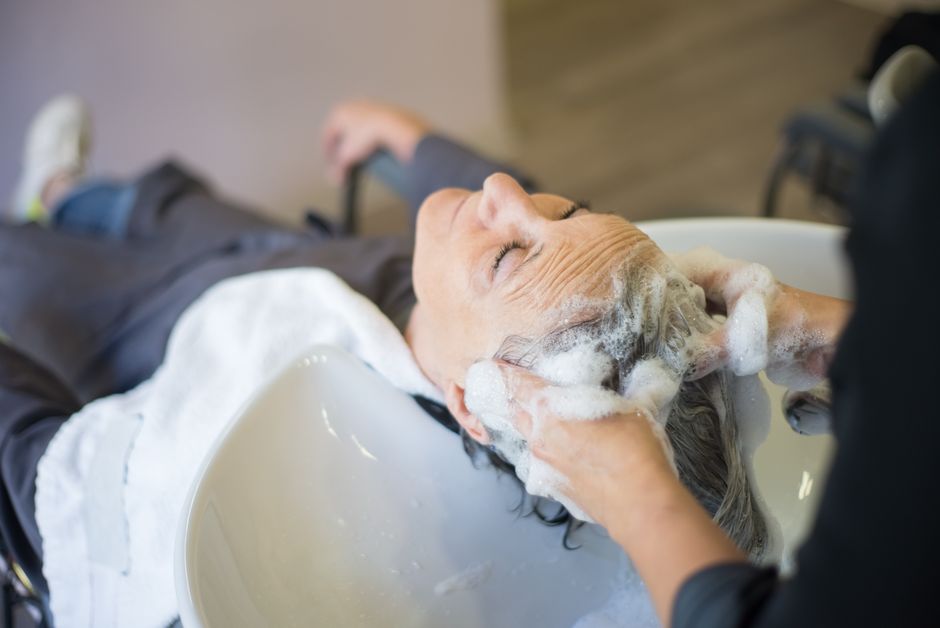
Shampooing every day is not bad for most people. It is a normal hygiene habit that cleans oil, sweat, dirt, and styling product from your scalp. Whether it suits you depends on your hair type, scalp condition, and the shampoo you use.
Your scalp is skin. Like the skin on your face, it produces oil, sheds dead cells, and collects everyday grime. Washing it regularly keeps that environment in check. The idea that daily shampooing damages everyone’s hair is a myth, though daily washing is not right for every hair type either.
Here is what the science actually says about how often to wash, what shampoo does to hair, and who should wash less often.
Is It Bad To Shampoo Your Hair Every Day?
No. For most people with a normal scalp, washing daily does not cause hair loss or lasting damage. Dermatologists generally consider daily shampooing acceptable for people who have oily scalps or who sweat heavily.
The confusion comes from mixing up two different things: the scalp and the hair shaft. Your scalp tolerates and often benefits from regular cleansing. The hair shaft, especially if it is dry, color-treated, or chemically processed, can become brittle with frequent washing. The two need different care.
What matters most is not the frequency alone. It is the combination of how oily your scalp is, how dry or processed your hair is, and how harsh your shampoo is. A gentle daily wash is very different from a strong detergent shampoo used every day on fragile hair.
What Does Shampoo Actually Do To Your Hair And Scalp?
Shampoo removes oil and debris. The main cleaning agents are surfactants, molecules that bind to oil and water so that oil lifts away when you rinse. That is the whole job. Everything else in the bottle is secondary.
Your scalp produces a natural oil called sebum. Sebum protects the skin and keeps hair supple. Too much of it, mixed with dead skin cells and sweat, creates an environment where scalp irritation and flaking can develop. Washing removes the excess.
The trade-off is real. Surfactants do not perfectly distinguish between the oil you want to remove and the moisture your hair shaft needs. Frequent washing with a strong shampoo can strip the hair’s natural oils, leaving it dry and rough. It can also fade color-treated hair faster.
One clarification worth knowing: the “adjustment period” idea that your scalp overproduces oil to compensate for washing is often repeated but not well established in research. What is better supported is that harsh cleansers can irritate the scalp, and irritation can show up as flaking or discomfort. That is different from a scalp “rebound.”
How Often Should You Wash Your Hair?
There is no single correct number. How often you should wash depends on your scalp and hair type. General dermatologic guidance ranges from daily to about once a week, depending on those factors.
- Oily scalp, fine hair: Daily or every other day is often appropriate.
- Normal scalp, medium hair: Every two to three days works for many people.
- Dry scalp or dry, curly, or coily hair: Less frequent washing, sometimes weekly, is often better.
- Heavy exercise or sweating: Rinsing or washing more often can help keep the scalp clean.
- Color-treated or chemically processed hair: Less frequent washing helps preserve color and reduce dryness.
These are general patterns, not rules. The best guide is your own scalp. If it feels itchy, tight, or flaky, adjust. If it feels greasy within a day, a more frequent wash may suit you.
Does Washing Your Hair Every Day Cause Hair Loss?
No. Daily shampooing does not cause hair loss. This is one of the most persistent myths about hair care, and the evidence does not support it.
Shedding is normal. People lose hair every day as part of the natural growth cycle, and washing simply loosens hairs that were already ready to fall out. Seeing more hair in the drain after a wash does not mean the shampoo is causing loss. It reflects hairs that would have shed anyway.
Genuine hair loss has other causes. These include genetics, hormonal changes, certain medical conditions, nutritional deficiencies, and some medications. If you notice real thinning, patches, or a sudden increase in shedding, that is a reason to see a doctor rather than change your shampoo.
What shampoo can do is affect how hair looks and feels. Harsh products can make hair dry and prone to breakage, which is different from loss at the root. Breakage happens along the hair shaft. Loss happens at the follicle. They are not the same thing.
Can Daily Washing Damage Your Scalp?
For most people, no. A healthy scalp handles regular washing well. Problems tend to appear when the shampoo is harsh, the water is very hot, or the scalp is already sensitive.
Signs that your routine may be too aggressive include tightness after washing, itching, redness, or flaking that gets worse with more frequent washing. If these appear, a gentler shampoo or less frequent washing may help.
Some scalp conditions need medical care rather than a product change. Dandruff and seborrheic dermatitis are common and often improve with medicated shampoos, but persistent flaking, redness, or sores deserve a doctor’s look. Do not assume every flaky scalp is simple dryness.
How Do You Shampoo Every Day Without Damaging Your Hair?
You can wash daily and still protect your hair. The method matters as much as the frequency. A few habits make a real difference.
- Use a gentle, sulfate-light shampoo if your hair is dry or processed.
- Focus shampoo on the scalp, not the ends, which dry out faster.
- Use lukewarm water rather than very hot water.
- Apply conditioner to the mid-lengths and ends after washing.
- Pat hair dry gently instead of rubbing it hard with a towel.
- Limit heat styling and let hair air-dry when you can.
Conditioner is not optional for many people who wash often. It helps replace some of the softness that cleansing removes and reduces friction that leads to breakage. For dry or curly hair, this step matters more than the shampoo choice itself.
Who Should Wash Their Hair Less Often?
Some people genuinely benefit from washing less often. If your hair is dry, curly, coily, or chemically treated, frequent washing can leave it brittle and hard to manage. These hair types often hold moisture poorly and do better with gentler, less frequent cleansing.
People with a dry or sensitive scalp may also find that daily washing with a strong shampoo causes irritation. A milder product or a reduced frequency can help.
Age matters too. Oil production tends to decline with age, so some people find they need to wash less often as they get older. This is a general trend, not a rule for everyone.
The reverse is also true. If you have an oily scalp, live in a humid climate, or exercise heavily, washing less often may leave your scalp uncomfortable and prone to flaking. For these people, daily washing is often the better choice.
The Bottom Line
Daily shampooing is fine for most people and does not cause hair loss. The right frequency depends on your scalp and hair type, not on a universal rule. Pay attention to how your scalp and hair respond, choose a shampoo suited to your hair, and adjust from there.
If you have persistent scalp symptoms or real hair thinning, treat those as separate issues worth a professional opinion. A shampoo is a cleaning product, not a treatment for a medical condition.
Frequently Asked Questions
Is it bad to shampoo your hair every day?
No, daily shampooing is not bad for most people and does not cause hair loss. It may not suit very dry, curly, or color-treated hair, which often does better with less frequent washing.
Does washing your hair every day make it greasy?
The idea that daily washing trains your scalp to produce more oil is widely repeated but not well established in research. Harsh cleansers can irritate the scalp, but a true oil “rebound” is not firmly proven.
Can I wash my hair every day if it is color-treated?
You can, but frequent washing can fade color and dry out processed hair faster. Many people with color-treated hair do better washing less often and using a gentle, color-safe shampoo.
Should I wash my hair every day if I have dandruff?
Often yes. People with dandruff or seborrheic dermatitis may need to wash more frequently, sometimes with a medicated shampoo. Persistent flaking that does not improve is worth a doctor’s visit.
