
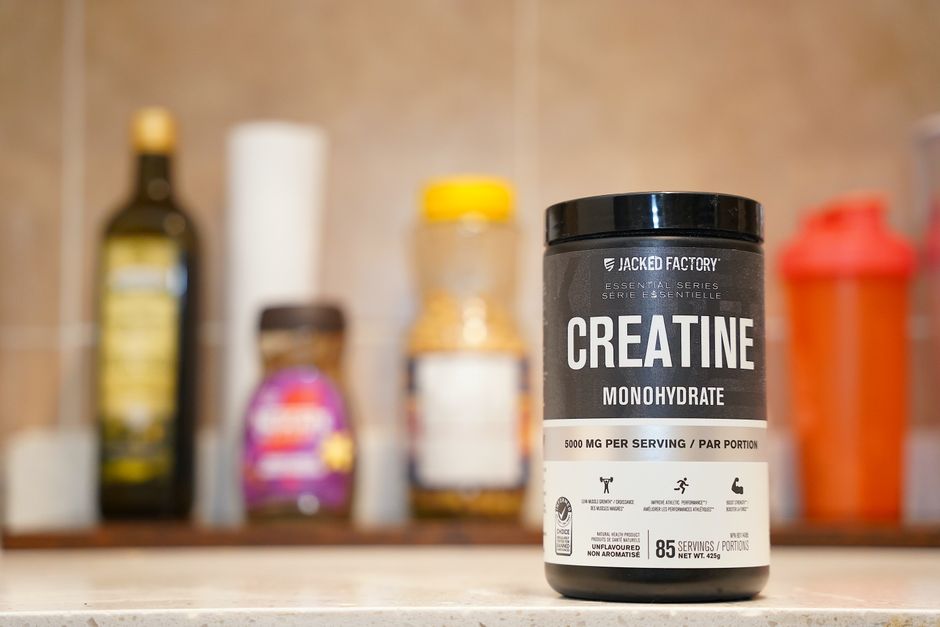
Dry scooping creatine means swallowing the powder straight from the scoop and chasing it with water or another drink. It is not toxic, and creatine itself is one of the most studied sports supplements in existence. But dry scooping is a bad idea for practical reasons, not mysterious ones: it is hard on your throat and stomach, it makes accurate dosing harder, and it offers no benefit over simply mixing the powder into liquid.
Is It Bad To Dry Scoop Creatine?
Yes, it is a bad habit, though not because the creatine becomes dangerous when it is dry. The problems are mechanical and practical.
Dry powder hits your mouth, throat, and esophagus without any liquid to carry it along. That can cause coughing, choking sensations, and irritation. Some people report a burning or gritty feeling that lingers. If you inhale any of the powder, you can irritate your airway, which is genuinely uncomfortable and, in rare cases, a choking hazard.
Once it reaches your stomach, dry powder can clump. Creatine is not especially soluble, and a dry bolus of it sitting in the stomach can trigger nausea, cramping, or a heavy feeling. Taking it with water spreads the powder out and moves it along faster.
Here is the part that surprises people: there is no absorption advantage to dry scooping. Your body does not absorb creatine better because it arrived without water. Creatine is taken up into muscle through a specific transporter, and that process depends on how much creatine is already stored in your muscle, not on how you swallowed the powder. Mixing it in water, juice, or a shake works just as well.
Why Do People Dry Scoop Creatine?
Mostly because of social media. Short videos showing someone toss back a scoop and chase it with a drink look fast, tough, and convenient. The format rewards speed and drama.
There is also a persistent belief that dry scooping hits faster or harder. That belief is not supported. Creatine works by saturating your muscles over days and weeks, not by producing an immediate effect the way caffeine does. A faster swallow does not change a slow-building process.
Convenience plays a role too. If you are at the gym and do not want to shake a bottle, dry scooping seems easier. In practice, a scoop stirred into a few ounces of water takes seconds and avoids the downsides.
One more factor: pre-workout powders. Many viral dry scooping clips involve pre-workout, not plain creatine. That distinction matters a great deal, and it is worth understanding why.
Is Dry Scooping Pre-Workout More Dangerous Than Dry Scooping Creatine?
Yes, considerably. This is where the real safety concern sits, and it is often blurred together with creatine.
Pre-workout formulas commonly contain caffeine, sometimes in high amounts per scoop. Dry scooping a concentrated caffeine dose can deliver a large amount of caffeine very quickly. Caffeine toxicity is a real medical event, and it has been linked to serious cardiac and neurological effects when taken in excessive amounts. The FDA has issued warnings about concentrated caffeine products for this reason.
Plain creatine does not contain caffeine. If you are dry scooping pure creatine monohydrate, the caffeine concern does not apply. If you are dry scooping a pre-workout that happens to contain creatine, the risk profile is completely different and much more serious.
Other pre-workout ingredients, including stimulants and vasodilators, add their own considerations. The bottom line: dry scooping a stimulant-heavy powder is a genuinely different act from dry scooping plain creatine.
Does Dry Scooping Creatine Cause Any Real Harm?
The evidence here is limited, because no one has run controlled trials comparing dry scooping to mixing. What we have is a clear physiological picture and consistent anecdotal reports.
The realistic risks are:
- Choking or inhaling powder, especially if you take a large scoop quickly
- Throat and esophageal irritation from undiluted powder
- Stomach upset, nausea, or cramping from clumping
- Inaccurate dosing, since it is easy to take more or less than intended when you are not measuring into liquid
None of these are catastrophic for most healthy adults taking plain creatine. But they are avoidable, and avoiding them costs you nothing.
For anyone with swallowing difficulties, a history of aspiration, or a sensitive stomach, dry scooping is a poor choice. For children and adolescents, there are no established clinical guidelines for creatine supplementation at all, and dry scooping adds an unnecessary choking risk on top of that.
What Is the Right Way To Take Creatine?
Mix it into liquid. That is the whole answer, and it is the method used in the vast majority of research on creatine.
Creatine monohydrate dissolves best in warm or room-temperature liquid and dissolves poorly in very cold water. Stir it, let it sit a moment, and drink it. If some settles at the bottom, add a little more liquid and swirl again. Juice works too, and some people find the sweetness masks the slightly bitter taste.
On dosing, the established approach in the research literature uses a maintenance dose of about 3 to 5 grams per day for adults. A loading phase of roughly 20 grams per day split into smaller doses over several days is also described in the literature, but it is optional. The maintenance approach reaches the same muscle saturation over a longer period.
Timing matters less than consistency. Creatine works by building up and staying elevated in your muscles, so taking it at the same time each day is more useful than worrying about whether it is before or after training.
No clinical guidelines currently exist for creatine dosing in children, adolescents, or pregnant and breastfeeding women.
Does Creatine Actually Work, and Does the Delivery Method Matter?
Creatine monohydrate has strong research support for increasing muscle phosphocreatine stores, which can support short bursts of high-intensity effort. That is a well-established finding, not a marketing claim.
What matters for that effect is total daily intake over time, not how the powder entered your mouth. Your muscles do not know whether the creatine arrived in a glass of water or straight from a scoop. They respond to how much creatine is available in your body and how consistently it is replenished.
This is the key point that dry scooping advocates miss. The method is not the variable. The dose and the consistency are.
One clarification worth making: creatine is not a stimulant and does not provide an immediate energy rush. If you feel a jolt after dry scooping, it is almost certainly from caffeine in a pre-workout blend, not from the creatine.
What About the Claims That Dry Scooping Is Fine?
You will find people online insisting dry scooping is harmless because creatine is harmless. Those are two different statements.
Creatine monohydrate has a strong safety record in healthy adults at typical doses, supported by decades of research. That is accurate. But the safety of the ingredient does not automatically transfer to every method of taking it. Swallowing dry powder carries mechanical risks that have nothing to do with creatine’s safety profile.
So the honest position is this: dry scooping plain creatine is unlikely to seriously harm a healthy adult, but it offers no benefit and adds avoidable discomfort and risk. It is not a smart shortcut. It is just a shortcut that does not lead anywhere useful.
Frequently Asked Questions
Is dry scooping creatine dangerous?
Plain creatine is not toxic, so dry scooping it is unlikely to cause serious harm in healthy adults. The real risks are choking, throat irritation, and stomach upset, all of which are avoidable by mixing it with liquid.
Does dry scooping creatine work faster?
No. Creatine works by saturating your muscles over days and weeks, so how fast you swallow it makes no difference. Total daily intake and consistency are what matter.
Can you dry scoop creatine with water after?
You can, but chasing dry powder with water does not prevent clumping in your stomach or irritation in your throat. Mixing the powder into the water first is the better approach.
Is dry scooping pre-workout worse than dry scooping creatine?
Yes, significantly. Pre-workout often contains high doses of caffeine, and dry scooping delivers that concentrated dose very quickly, which has been linked to serious cardiac and neurological effects.
