
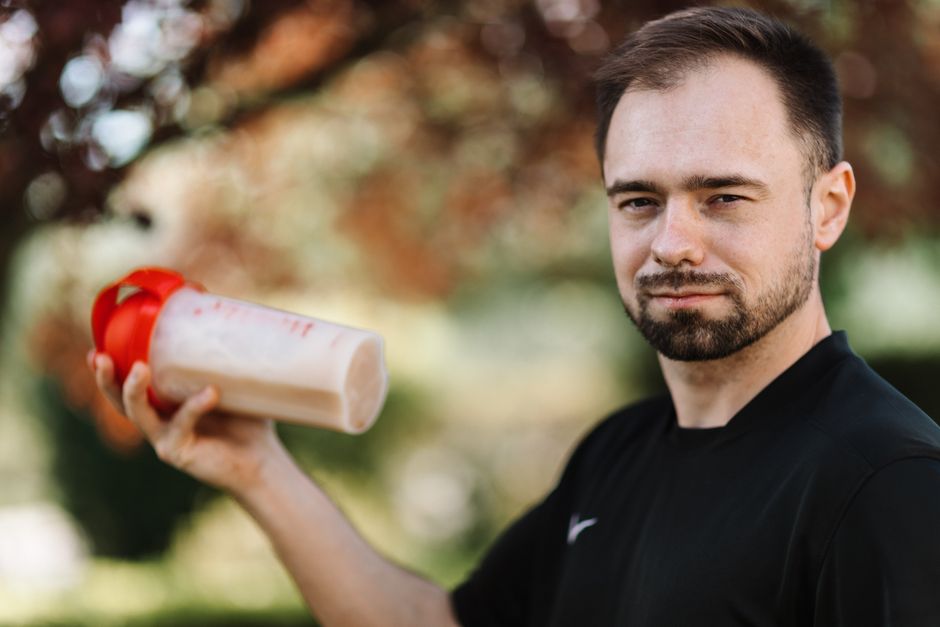
Premier Protein shakes are one of the most popular ready-to-drink protein products in the US. Whether drinking one every day is “bad” depends almost entirely on your total diet, your health status, and how many you drink.
For most healthy adults, one Premier Protein shake a day is not harmful. Each shake delivers about 30 grams of protein with roughly 160 calories and 1 gram of sugar. The bigger questions are whether you need that much protein, what else the shake is replacing in your diet, and whether you have a medical condition that makes high protein intake a concern.
What Is Actually In A Premier Protein Shake?
Premier Protein shakes are ultra-filtered milk protein drinks sold in 11-ounce cartons. The core formula is consistent across most flavors: about 30 grams of protein, 160 calories, 1 gram of sugar, 3 grams of fat, and roughly 4 to 5 grams of carbohydrates.
The protein comes primarily from milk protein concentrate and calcium caseinate, both derived from dairy. That matters because milk protein contains all nine essential amino acids, making it a complete protein source. Casein digests slowly, which is one reason these shakes tend to feel filling.
They also contain added vitamins and minerals, including calcium, vitamin D, and iron. The sweeteners vary by flavor but typically include sucralose and acesulfame potassium, both non-nutritive sweeteners approved by the FDA.
What they are not: a meal replacement. A shake provides protein and some micronutrients but lacks the fiber, fat variety, and phytochemicals found in whole foods. Treating it as a substitute for meals rather than a supplement to them is where problems tend to start.
How Much Protein Do You Actually Need Each Day?
The Institute of Medicine established the Recommended Dietary Allowance for protein at 0.8 grams per kilogram of body weight per day for healthy adults. For a 150-pound person, that works out to roughly 54 grams of protein daily.
That RDA is a minimum to prevent deficiency, not an optimal target. People who exercise regularly, are over 65, or are recovering from illness often need more. Research suggests older adults may benefit from higher protein intake to help preserve muscle mass, though the exact optimal amount remains debated.
Here is where a daily shake fits in. If you already eat meat, eggs, dairy, and beans throughout the day, adding 30 grams of protein from a shake may push you well past what your body can efficiently use for muscle building at any single sitting. That excess is not toxic, but it is also not doing much. Your body will either use it for energy or excrete it.
If your diet is low in protein, a shake can close that gap efficiently. The shake itself is neutral. Your total intake is what matters.
Is It Bad To Drink Premier Protein Every Day If You’re Healthy?
For healthy adults with normal kidney function, daily protein intake well above the RDA has not been shown to cause kidney damage. That is a persistent myth. Research on higher-protein diets in healthy people has not found harm to kidney function.
This is a case where the evidence is clearer than most people assume. The idea that protein damages healthy kidneys comes largely from advice given to people who already have kidney disease, where protein restriction is medically necessary. Those recommendations got generalized to everyone, and that generalization is not supported.
What daily shakes can realistically cause in healthy people:
- Digestive discomfort, especially bloating or gas, from lactose or sugar alcohols in some formulations
- Feeling overly full if you drink a shake on top of regular meals rather than in place of a snack
- Displacement of whole foods if shakes crowd out vegetables, fruits, and fiber-rich grains
None of these are dangerous. They are practical issues, not health hazards.
Who Should Be Careful With Daily Protein Shakes?
People with chronic kidney disease are the clearest group who need to limit protein. In kidney disease, the kidneys struggle to filter protein waste products, and higher intake can accelerate decline. If you have kidney disease, protein intake should be set by your doctor or a renal dietitian, not by a product label.
People with type 2 diabetes or insulin resistance should check the carbohydrate and sugar alcohol content. Most Premier Protein flavors are low in sugar, but some contain sugar alcohols that can affect blood sugar or cause digestive issues in sensitive people.
Anyone with a dairy allergy should avoid these entirely. Milk protein concentrate and caseinate are dairy derivatives. Lactose intolerance is different. These shakes are lower in lactose than regular milk but not lactose-free, so some people with sensitivity may still react.
People taking certain medications, particularly those affecting kidney function or blood pressure, should discuss protein intake with their doctor. This is not because shakes interact with drugs directly, but because total protein load can matter in these situations.
Is Drinking Multiple Shakes A Day A Problem?
One shake a day is a supplement. Three or four shakes a day starts to look like a diet built on a processed product, and that raises different concerns.
At that level, you are likely exceeding your protein needs significantly while missing fiber, healthy fats, and micronutrients that whole foods provide. You may also be consuming more non-nutritive sweeteners than you would otherwise. The long-term effects of high intake of these sweeteners are still being studied, and the evidence is mixed.
There is also a practical issue. Liquid calories are less satiating than solid food for many people. Drinking several shakes a day while still eating regular meals can easily push total calorie intake above what you need, which over time leads to weight gain. The protein content does not cancel out the calories.
Some people use multiple shakes as part of a structured weight loss plan under medical supervision. That is different from casually drinking three a day because they are convenient.
Do You Need A Protein Shake At All?
Most Americans already meet or exceed the RDA for protein through food alone. If that describes you, a daily shake is optional, not necessary. It is a convenience product, and there is nothing wrong with that as long as you understand what you are buying.
Whole food protein sources come with additional nutrients that shakes do not replicate. Eggs, chicken, fish, Greek yogurt, beans, and lentils provide protein along with fiber, healthy fats, and a range of vitamins and minerals. A shake provides protein and added vitamins but not the same package.
If you struggle to hit your protein target, dislike cooking, or need something portable, a shake is a reasonable tool. If you eat well and just want to add one because it seems healthy, you may not need it. Neither choice is wrong.
The Bottom Line On Daily Premier Protein
Drinking one Premier Protein shake a day is not bad for most healthy adults. It provides a convenient 30 grams of complete protein with minimal sugar and calories.
The real questions are about your total diet, your kidney health, and whether the shake is adding to your nutrition or replacing something better. If you have kidney disease, a dairy allergy, or a medical condition that affects how your body handles protein, talk to your doctor before making it a daily habit.
For everyone else, one shake a day is a reasonable choice. It is not a health food in the way an apple is. It is a protein supplement, and treating it as one keeps expectations accurate.
Frequently Asked Questions
Can I drink Premier Protein every day?
Yes, most healthy adults can drink one Premier Protein shake daily without harm. People with kidney disease or a dairy allergy should not, and should speak with a doctor first.
Is Premier Protein hard on your kidneys?
For people with healthy kidneys, higher protein intake has not been shown to cause kidney damage. For people who already have kidney disease, protein intake needs medical supervision because the kidneys cannot filter protein waste efficiently.
How many Premier Protein shakes can I drink a day?
There is no official daily limit, but one shake is generally considered a supplement rather than a meal replacement. Drinking several a day can crowd out whole foods and add extra calories without added benefit.
Does Premier Protein have side effects?
Some people experience bloating or digestive discomfort from the dairy content or added sweeteners. Serious side effects are not common in healthy adults drinking one shake daily.
