
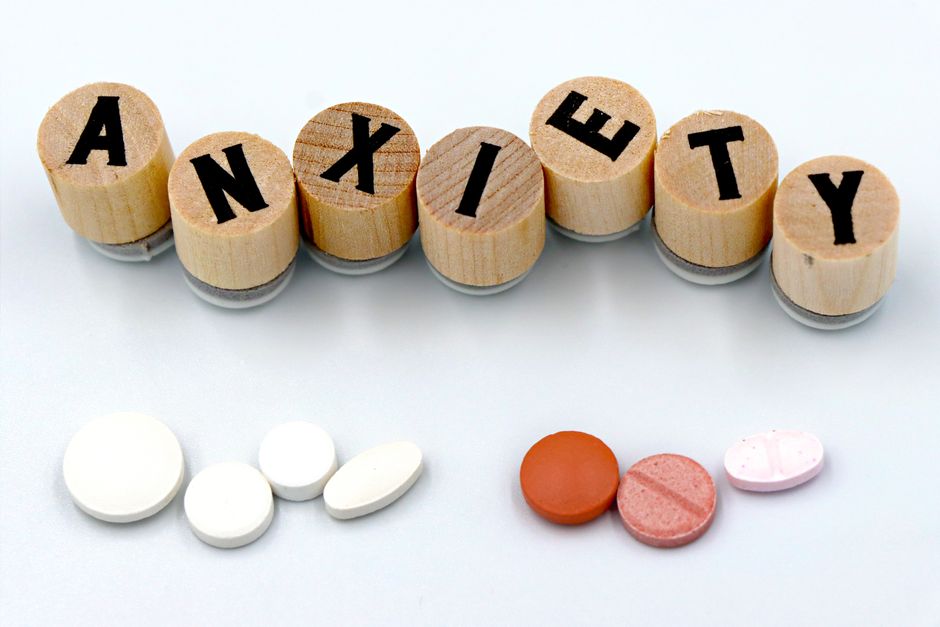
Anxiety is one of the most common mental health experiences in the United States, and it is also one of the most frequently confused with other conditions. The core answer from the research is this: anxiety is a normal and useful stress response, but it becomes a disorder when it is persistent, disproportionate to the situation, and interferes with daily life. Many medical, hormonal, and neurological conditions can produce symptoms that look almost identical to anxiety — which is why a proper evaluation matters more than a self-diagnosis.
That overlap is not a rare edge case. It is common enough that clinicians routinely screen for physical causes when someone first reports anxiety symptoms. Getting the distinction right changes what treatment actually helps.
What Actually Counts as an Anxiety Disorder?
Anxiety disorders are a defined group of conditions, not a single thing. The main categories include generalized anxiety disorder, panic disorder, social anxiety disorder, and several specific phobias. Each has its own pattern of symptoms and its own diagnostic criteria.
What separates an anxiety disorder from ordinary anxiety is not the feeling itself. It is the pattern. Anxiety becomes a disorder when it persists over time, appears in situations that do not warrant it, and gets in the way of work, relationships, or daily functioning.
Generalized anxiety disorder involves excessive worry across multiple areas of life — health, money, work, family — that a person finds hard to control. Panic disorder involves sudden, intense surges of fear that peak within minutes and come with physical symptoms like a racing heart, shortness of breath, and chest tightness. Social anxiety centers on fear of judgment or embarrassment in social settings.
The physical symptoms are real and measurable. Anxiety activates the body’s stress response, which releases adrenaline and cortisol. That is why anxiety can cause a fast heartbeat, sweating, trembling, nausea, and muscle tension. These are not imagined. They are the body doing exactly what it is designed to do under perceived threat.
Is It Anxiety or Something Else? Medical Conditions That Mimic Anxiety
Several medical conditions can produce symptoms that closely resemble anxiety, and some of them are serious if missed. This is why a medical workup is a standard part of evaluating new anxiety symptoms.
Thyroid problems are a well-known example. An overactive thyroid, or hyperthyroidism, can cause a racing heart, restlessness, sweating, and a sense of being on edge — all of which overlap with anxiety. Heart conditions, including arrhythmias, can cause palpitations and chest discomfort that feel like a panic attack. Low blood sugar can trigger shakiness, confusion, and a rapid heartbeat.
Other conditions that can mimic anxiety include:
- Anemia, which can cause fatigue, shortness of breath, and a rapid heartbeat
- Certain vitamin deficiencies, including low vitamin B12
- Hormonal changes, such as those around menopause or during thyroid disorders
- Sleep disorders, which can worsen or imitate anxiety symptoms
- Substance effects, including caffeine, alcohol, and some medications
Some prescription and over-the-counter medications can also cause anxiety-like side effects. This includes certain asthma inhalers, thyroid medications, and decongestants. If symptoms started or worsened after a medication change, that timing is worth mentioning to a doctor.
The key point is not that these conditions are more likely than anxiety. It is that they are common enough that ruling them out is standard practice. A doctor can order blood tests and, when appropriate, a heart evaluation to check.
How Do Doctors Tell the Difference?
There is no single test that says “this is anxiety.” The process is a combination of history, physical examination, and targeted testing. A clinician typically asks about when symptoms started, what makes them better or worse, and whether they come in sudden episodes or stay constant.
Blood tests are often part of the workup. A thyroid panel, a complete blood count, and blood glucose measurement can rule out several conditions that mimic anxiety. If heart symptoms are prominent, an electrocardiogram may be ordered. These tests are not done because anxiety is unlikely — they are done because the symptoms genuinely overlap.
One detail that helps: anxiety disorders tend to have a psychological component. People with an anxiety disorder usually describe worry, dread, or fear alongside the physical symptoms. Conditions like hyperthyroidism often produce the physical symptoms without that underlying sense of fear or worry.
That said, the line is not always clean. Anxiety and physical illness can exist together. Someone can have both an anxiety disorder and a thyroid condition. Finding one does not rule out the other.





When Anxiety Symptoms Point to a Different Mental Health Condition
Anxiety is not the only mental health condition that produces anxious feelings. Depression frequently comes with anxiety, and the two are often diagnosed together. In fact, many people with an anxiety disorder also meet criteria for depression at some point.
Post-traumatic stress disorder can cause hypervigilance, a heightened startle response, and a constant sense of threat — all of which can look like anxiety. Obsessive-compulsive disorder involves intrusive thoughts and repetitive behaviors that are driven by anxiety but are classified separately.
Attention-deficit/hyperactivity disorder in adults can also be mistaken for anxiety. Restlessness, difficulty concentrating, and a racing mind appear in both. The difference often lies in the underlying cause: anxiety-driven restlessness comes from worry, while ADHD-driven restlessness is more about a persistent need for stimulation or movement.
This is one reason a full evaluation matters. Treating anxiety when the real issue is ADHD, PTSD, or depression may not help — and the right treatment for each condition can be quite different.
What About Physical Symptoms With No Clear Cause?
Some people experience physical anxiety symptoms — chest tightness, shortness of breath, dizziness — without feeling worried or afraid at all. This can be confusing and sometimes frightening.
In these cases, the body’s stress response may be activating without a conscious trigger. The nervous system can respond to subtle cues, including poor sleep, chronic stress, or even certain breathing patterns, without the person registering a feeling of anxiety.
This does not mean the symptoms are not real or that they are “all in your head.” The physical response is genuine. It just may not come with the emotional experience people expect anxiety to include.
When physical symptoms appear without a clear cause, a medical evaluation is the right first step. Ruling out heart, lung, and thyroid issues comes before assuming anxiety is the explanation.
What Does the Evidence Say About Treatment?
For diagnosed anxiety disorders, the evidence supports several approaches. Cognitive behavioral therapy is one of the most studied and has consistent support in clinical research. It focuses on identifying and changing the thought patterns that drive anxiety.
Medications, including certain antidepressants and anti-anxiety drugs, are also used. Selective serotonin reuptake inhibitors are commonly prescribed for anxiety disorders and have been studied extensively. Benzodiazepines can provide rapid relief but carry a risk of dependence and are generally intended for short-term use.
Lifestyle factors can influence anxiety symptoms, though the evidence varies by factor. Regular physical activity, consistent sleep, and reduced caffeine intake are commonly recommended and generally considered helpful. The strength of evidence differs across these — exercise has relatively stronger support than some others.
What does not have strong evidence is treating an underlying medical condition as if it were anxiety. If someone has hyperthyroidism, no amount of anxiety treatment will correct the thyroid issue. This is why accurate diagnosis comes first.
If you are experiencing symptoms that concern you, a primary care doctor or mental health professional is the right place to start. Anxiety disorders are treatable, and so are most of the conditions that mimic them. The first step is finding out which one you are dealing with.
Frequently Asked Questions
Can a physical illness really feel exactly like anxiety?
Yes, several conditions can produce symptoms nearly identical to anxiety, including an overactive thyroid, heart arrhythmias, and low blood sugar. This is why blood tests and a medical exam are a standard part of evaluating new anxiety symptoms.
How do I know if my anxiety is normal or a disorder?
Anxiety becomes a disorder when it is persistent, out of proportion to the situation, and interferes with daily life. If worry or physical symptoms are getting in the way of work, relationships, or sleep, that is a signal to seek an evaluation.
Should I see a doctor or a therapist first?
Starting with a primary care doctor is often the most practical first step, because they can order tests to rule out medical causes. From there, they can refer you to a mental health professional if an anxiety disorder is likely.
Can anxiety symptoms happen without feeling worried?
Yes, some people have physical anxiety symptoms like chest tightness or dizziness without a conscious sense of fear. The body’s stress response can activate without the emotional experience, which is why a medical workup is important.
