
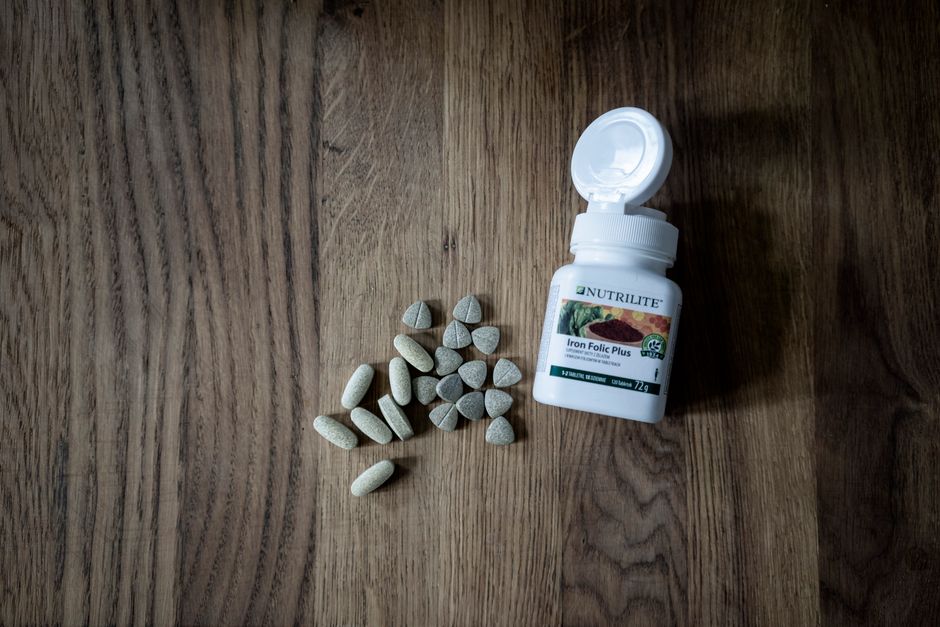
Iron is not a vitamin. It is a mineral — specifically, a trace mineral your body needs in relatively small amounts but cannot make on its own. Vitamins and minerals are both essential nutrients, which is why they often get lumped together on labels and in conversation. But they are different classes of nutrients with different chemistry, different jobs, and different ways the body handles them.
The confusion is understandable. Multivitamin bottles list iron right next to vitamin C. Nutrition charts group them together. And both can cause deficiency symptoms when you do not get enough. But calling iron a vitamin is like calling a carrot a fruit — related categories, genuinely different things.
What Is the Difference Between a Vitamin and a Mineral?
Vitamins are organic compounds. They are made by plants or animals, and they contain carbon. Your body needs them to function, but generally cannot produce enough on its own. Vitamins are fragile in some ways — heat, light, and air can break them down, which is why cooking methods affect vitamin content in food.
Minerals are inorganic elements. They come from the earth and water, and they cannot be destroyed by heat or light. Iron, calcium, zinc, potassium, and magnesium are all minerals. They are elements on the periodic table, which means they cannot be broken down into something simpler.
This distinction matters practically. If you boil vegetables, some water-soluble vitamins leach into the cooking water. Minerals do not break down the same way. They can still leach into water, but they are not destroyed by heat.
Another key difference: vitamins are measured in micrograms (mcg) or milligrams (mg), while some minerals like calcium are needed in grams per day. Iron falls in the milligram range.
Is Iron a Mineral or a Metal?
Both, actually. Iron is a mineral in nutrition terms. It is also a metal in chemistry terms. The iron in your blood is the same element as the iron in a cast-iron pan — just in a different chemical form.
In your body, iron is almost always bound to proteins. It is not floating around as free metal. That would be toxic. Instead, it is attached to hemoglobin in red blood cells, stored in ferritin, or transported by transferrin.
This is a detail worth understanding. When people say “iron” in a nutrition context, they mean the element as it functions in biological systems. When they say “iron” in a chemistry or industrial context, they mean the metal. Same element, very different contexts.
Why Does the Body Need Iron?
Iron’s main job is carrying oxygen. Hemoglobin, the protein in red blood cells that gives blood its color, contains iron at its center. That iron binds oxygen in the lungs and releases it in tissues throughout the body.
Without enough iron, hemoglobin production drops. Red blood cells become smaller and paler. This is iron deficiency anemia, and it is one of the most common nutrient deficiencies worldwide.
Iron also supports other functions:
- Part of myoglobin, a protein that stores oxygen in muscles
- Needed for certain enzymes involved in energy metabolism
- Supports immune function
- Involved in making some neurotransmitters
The oxygen-carrying role is the one that matters most for how you feel day to day. When iron is low, fatigue and shortness of breath are common because tissues are not getting enough oxygen.





How Much Iron Do You Need?
Iron needs vary significantly by age, sex, and life stage. The following values come from the National Institutes of Health Recommended Dietary Allowances:
| Group | Recommended Daily Iron |
|---|---|
| Adult men (19-50 years) | 8 mg |
| Adult women (19-50 years) | 18 mg |
| Adults 51+ years | 8 mg |
| Pregnant women | 27 mg |
| Breastfeeding women | 9 mg |
Women of reproductive age need more than double the iron of men. This is because menstrual blood loss depletes iron stores. Pregnancy increases needs further because the body is building fetal blood supply and expanding maternal blood volume.
These are general guidelines for healthy people. People with diagnosed iron deficiency, chronic kidney disease, or other conditions may need different amounts. That is a conversation for a clinician, not a nutrition label.
What Is the Difference Between Heme and Non-Heme Iron?
Dietary iron comes in two forms. Heme iron is found in animal foods — red meat, poultry, and fish. Non-heme iron is found in plant foods like lentils, spinach, and fortified cereals. Heme iron is absorbed more efficiently, but non-heme iron still counts.
This distinction matters for people who avoid animal products. Vegetarians and vegans can meet iron needs, but they may need to pay more attention to intake and absorption. The recommended daily intake for vegetarians is actually higher than for meat-eaters — roughly 1.8 times higher — because plant iron is less bioavailable.
Vitamin C enhances non-heme iron absorption. Eating iron-rich plant foods with a source of vitamin C — citrus, bell peppers, tomatoes — can improve how much iron you actually absorb. Coffee, tea, and calcium can inhibit absorption if consumed at the same time as iron-rich foods.
What Happens If You Do Not Get Enough Iron?
Iron deficiency develops in stages. First, iron stores drop. Ferritin levels fall, but hemoglobin remains normal. This stage often has no symptoms.
If iron depletion continues, the body cannot make enough hemoglobin. This is iron deficiency anemia. Symptoms include:
- Fatigue and weakness
- Pale skin
- Shortness of breath with activity
- Dizziness or lightheadedness
- Cold hands and feet
- Brittle nails
- Unusual cravings for ice, dirt, or starch (a condition called pica)
These symptoms are not specific to iron deficiency. Many conditions cause fatigue and pallor. A blood test is the only way to know for sure.
Iron deficiency is more common in certain groups. Women with heavy menstrual bleeding, pregnant women, infants and young children, frequent blood donors, and people with gastrointestinal conditions that affect absorption are at higher risk. So are vegetarians and vegans who do not plan their diets carefully.
Can You Get Too Much Iron?
Yes, and it can be dangerous. The body has limited ability to excrete excess iron. Unlike water-soluble vitamins that are flushed out in urine, iron is stored. Over time, excess iron can accumulate in organs and cause damage.
Iron overload can happen from:
- Taking high-dose supplements without medical need
- Genetic conditions like hereditary hemochromatosis
- Repeated blood transfusions
- Certain liver diseases
Hereditary hemochromatosis is one of the most common genetic disorders in people of Northern European descent. It causes the body to absorb too much iron from food. Without treatment, it can lead to liver damage, heart problems, and diabetes.
This is why iron supplements should not be taken casually. If you are not deficient, taking iron does not help you and may harm you. The tolerable upper intake level for adults is 45 mg per day from supplements and food combined. That is not a target — it is a ceiling.
Should You Take an Iron Supplement?
Only if a clinician recommends it. Iron supplements are not a general wellness product. They are a treatment for diagnosed deficiency or a preventive measure for people with known risk factors.
If you suspect you are low in iron, get tested first. A complete blood count and ferritin level can tell you whether you are actually deficient. Taking iron without testing is guessing, and guessing wrong has consequences.
When iron supplements are appropriate, they are usually taken with vitamin C or on an empty stomach to improve absorption. Some people experience constipation, nausea, or stomach upset. Taking iron with food can reduce these side effects but also reduces absorption.
If you are prescribed iron, follow the dose your clinician recommends. Do not double up because you think more is better. And keep iron supplements out of reach of children — iron poisoning is a serious risk in young children who swallow adult doses.
Frequently Asked Questions
Is iron a vitamin or a mineral?
Iron is a mineral, not a vitamin. It is a trace element that the body needs in small amounts and cannot produce on its own.
Why is iron often grouped with vitamins?
Iron is grouped with vitamins on supplement labels and nutrition charts because both are essential micronutrients. The grouping is convenient, not scientifically accurate.
What is the difference between vitamins and minerals?
Vitamins are organic compounds made by living things, while minerals are inorganic elements from the earth. Minerals cannot be destroyed by heat or light the way some vitamins can.
Can you take iron and a multivitamin together?
Yes, many multivitamins contain iron. But if you are taking a separate iron supplement, check with a clinician or pharmacist to avoid exceeding safe intake levels.
