
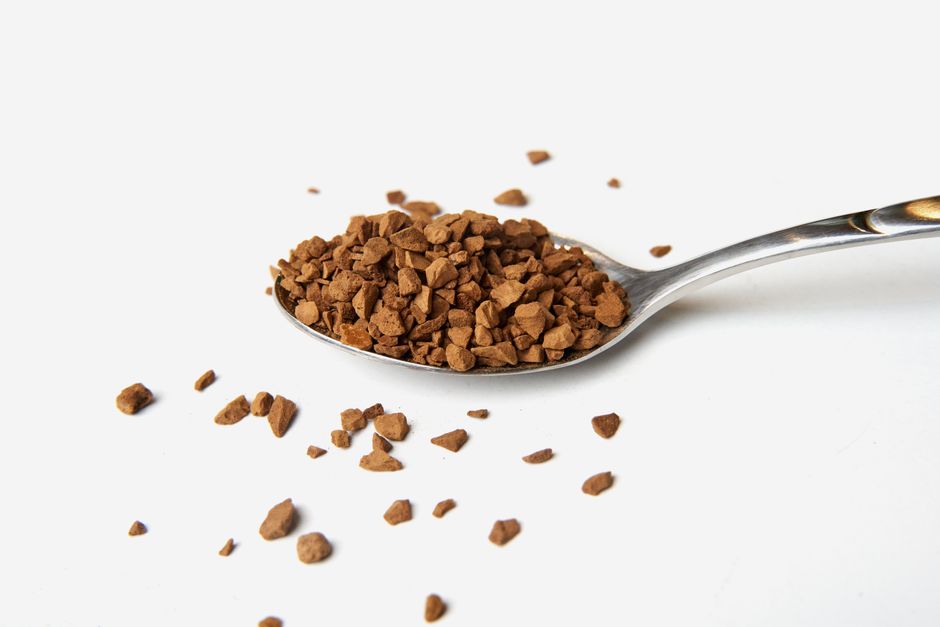
Instant coffee gets a bad reputation, but for most healthy adults, it is not bad for you. It is real coffee made from real coffee beans, just brewed and then dehydrated so you can add water and drink it in seconds. While it differs from freshly brewed coffee in a few specific ways, the health effects are largely similar and, in some cases, instant coffee even has a slight advantage.
How Is Instant Coffee Made?
Instant coffee starts as regular brewed coffee. The liquid coffee is then processed to remove the water, leaving behind a concentrated extract that becomes either a fine powder or small granules. There are two main methods used to do this: spray drying and freeze drying.
Spray drying involves spraying the coffee extract into hot air, which quickly evaporates the water. Freeze drying is a gentler process. The coffee is frozen and then placed in a vacuum, which removes the ice through sublimation. Freeze drying generally preserves more of the flavor and aroma compounds.
Both methods produce the same basic product. The key point is that instant coffee is not a synthetic substitute. It is 100% coffee, just in a different physical form.
Does Instant Coffee Have the Same Antioxidants?
Coffee is one of the largest sources of antioxidants in the Western diet. These compounds, including chlorogenic acid and polyphenols, help neutralize free radicals in the body. Free radicals are unstable molecules that can damage cells and contribute to aging and disease.
Instant coffee retains many of these antioxidants. In fact, some research suggests that the extraction and dehydration process can concentrate certain antioxidant compounds. Some laboratory studies have found that instant coffee has a comparable, and sometimes higher, antioxidant capacity than freshly brewed coffee when measured in a test tube.
However, the processing does change the profile of the coffee. Some volatile compounds are lost during dehydration, which is why instant coffee often tastes different from freshly brewed. The antioxidant content also varies by brand and roast. Darker roasts tend to have lower chlorogenic acid content but higher levels of other compounds like melanoidins formed during roasting.
Is Instant Coffee Higher in Acrylamide?
Acrylamide is a chemical that forms naturally when certain foods are cooked at high temperatures. It is found in many foods, including french fries, potato chips, toast, and coffee. The roasting process of coffee beans creates acrylamide, and instant coffee generally contains higher levels than freshly brewed coffee.
This sounds alarming, but the context matters. The acrylamide levels in instant coffee are still well below the levels found in many common foods. More importantly, the current evidence does not show that dietary acrylamide at the levels found in coffee increases cancer risk in humans.
The International Agency for Research on Cancer classifies acrylamide as a probable human carcinogen based on animal studies. However, these studies used doses far higher than what a person would consume through diet. Large epidemiological studies have not found a consistent link between dietary acrylamide intake and cancer in humans. The overall evidence on coffee consumption, including instant coffee, points to a neutral or protective effect on cancer risk, not an increased risk.
Is There More Caffeine or Less?
Instant coffee typically contains less caffeine than freshly brewed coffee. A standard cup of instant coffee made from one teaspoon of granules contains roughly 30 to 90 milligrams of caffeine. A similar cup of drip coffee contains approximately 70 to 140 milligrams.
This difference matters for people who are sensitive to caffeine. The lower caffeine content means instant coffee is less likely to cause jitters, anxiety, or sleep disruption. It also makes it easier to control your intake. For people who want a mild pick-me-up without the full stimulant effect, instant coffee is a reasonable choice.
For people who use coffee for a pre-workout boost or to improve alertness, the lower caffeine content may be less effective. The effect is still present, but you may need to adjust your expectations.
Does Instant Coffee Affect Blood Sugar and Cholesterol?
Coffee contains compounds called diterpenes, specifically cafestol and kahweol. These compounds are known to raise LDL cholesterol levels. The key difference is that paper filters trap most of these diterpenes.
Instant coffee is brewed, dehydrated, and then rehydrated. The brewing process removes most of the diterpenes. As a result, instant coffee has significantly lower levels of cafestol and kahweol than unfiltered coffee like French press or Turkish coffee. For people concerned about cholesterol, instant coffee is actually a better option than unfiltered brews.
Regarding blood sugar, plain coffee without added sugar has a minimal effect on blood glucose in most people. Some research suggests that regular coffee consumption is associated with a lower risk of developing type 2 diabetes. This association is seen with both caffeinated and decaffeinated coffee, which suggests the benefit comes from compounds other than caffeine.
The real blood sugar concern with instant coffee comes from what you add to it. Many instant coffee products are sold as pre-sweetened mixes, which can contain significant amounts of added sugar. A flavored instant coffee packet can contain 10 to 15 grams of sugar or more. That is the version that can negatively affect blood sugar.
Is There Anything Added to Instant Coffee?
Plain instant coffee should contain only one ingredient: coffee. That is the case for most major brands of unsweetened instant coffee. However, it is important to read the label because many products marketed as instant coffee are actually coffee mixes.
Some instant coffee products contain added sugar, artificial sweeteners, creamers, and flavorings. These additions can change the nutritional profile significantly. Some flavored varieties are essentially a dessert in a cup, containing more sugar than a can of soda.
There is also a separate category called “3-in-1” coffee, which is popular in many parts of the world. These sachets contain instant coffee, sugar, and a non-dairy creamer. The creamer often contains hydrogenated oils and other processed ingredients. These products are nutritionally very different from plain instant coffee.
How Does Instant Coffee Compare to Brewed Coffee?
| Factor | Instant Coffee | Brewed Coffee |
|---|---|---|
| Caffeine per cup | 30-90 mg | 70-140 mg |
| Diterpenes | Very low | Low with paper filter, high without |
| Acrylamide | Higher | Lower |
| Antioxidants | Comparable | Comparable |
| Convenience | High | Low |
| Cost per cup | Low | Variable |
The table shows the main practical differences. Neither version is inherently healthier than the other. The choice comes down to convenience, taste preference, and your individual sensitivity to caffeine.
Who Should Be Cautious With Instant Coffee?
Most people can drink instant coffee without any health concerns. However, certain groups should be more careful.
Pregnant women are advised to limit caffeine intake. The general guidance suggests keeping caffeine under 200 milligrams per day during pregnancy. A cup of instant coffee contains less caffeine than brewed coffee, but multiple cups can add up quickly. If you are pregnant, count the caffeine from all sources, including tea, chocolate, and soda.
People with gastroesophageal reflux disease, commonly called GERD, may find that coffee worsens their symptoms. Coffee relaxes the lower esophageal sphincter, which can allow stomach acid to flow back into the esophagus. This effect is not specific to instant coffee, but it is worth noting if you experience heartburn.
People with anxiety disorders or sleep problems should be mindful of their total caffeine intake. The lower caffeine in instant coffee can be helpful, but it is still a stimulant.
Frequently Asked Questions
Is instant coffee as healthy as regular coffee?
Yes, for most health outcomes, instant coffee is comparable to brewed coffee. It has similar antioxidant levels and less caffeine, but it contains slightly more acrylamide, which has not been shown to harm humans at dietary levels.
Does instant coffee dehydrate you?
No. The caffeine in instant coffee has a mild diuretic effect, but the water in the drink more than compensates for it. Coffee contributes to your daily fluid intake rather than depleting it.
Can instant coffee help you lose weight?
Plain black instant coffee is very low in calories and may slightly boost metabolism due to its caffeine content. Any weight loss benefit disappears if you add sugar, cream, or flavored syrups.
Why does instant coffee taste different from brewed coffee?
The dehydration process removes volatile aroma compounds that are responsible for much of the flavor and smell of fresh coffee. This is why instant coffee often tastes more bitter and less aromatic than freshly brewed coffee.
