
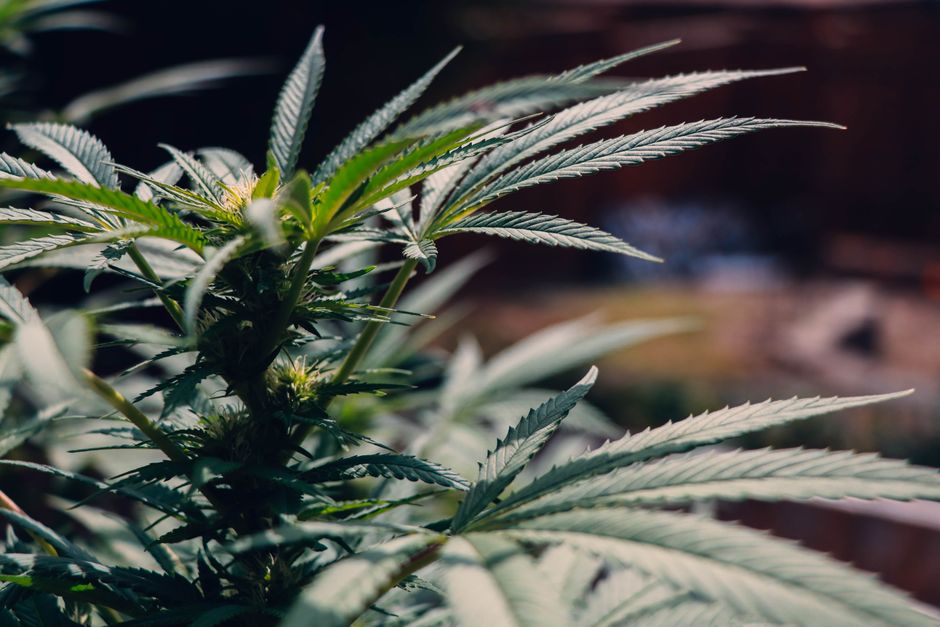
If you are choosing between indica and sativa for anxiety, the honest answer is that the distinction is not a reliable guide. The labels describe plant shape and growth patterns, not measured effects on anxiety. What matters more is the specific mix of compounds in a product, the dose, and how your own body responds.
Is Indica or Sativa Better for Anxiety?
Neither label tells you whether a product will ease anxiety or make it worse. The indica and sativa categories come from botany, not from clinical research on anxiety.
Growers originally used these terms to describe how a plant looks and grows. Indica plants tend to be shorter and bushier. Sativa plants tend to be taller and thinner. That is the origin of the words.
Over time, people attached effects to them. Indica became “relaxing” and sativa became “energizing.” That framing caught on in dispensaries and online. But it is not well supported by controlled human studies.
One reason is that modern cannabis is heavily crossbred. Most products sold today are hybrids, meaning they contain genetics from both categories. A label that says “indica” may describe the plant’s shape more than anything you will feel.
Another reason is that the same strain can affect two people differently. Anxiety responses to cannabis vary widely from person to person. Your history, your sensitivity, and the amount you use all play a role.
What Actually Drives the Anxiety Response?
The compounds in the product matter far more than the indica or sativa label. The two best known are THC and CBD.
THC is the compound responsible for the “high.” It is also the compound most linked to anxiety. At higher doses, THC can trigger anxiety, panic, or a sense of losing control in some people. This is a well-documented effect, especially in people who are not regular users.
CBD does not produce a high. Some research suggests CBD may reduce anxiety in certain situations, but the evidence is still developing. Study results vary, and dosing is not standardized. It is not accurate to call CBD a proven anxiety treatment.
Other compounds called terpenes give cannabis its smell. Some marketing claims suggest certain terpenes reduce anxiety. No large human trials have confirmed that specific terpenes produce reliable anxiety relief.
Here is the non-obvious part. A product labeled “indica” can still be high in THC and low in CBD. That combination may be more likely to provoke anxiety than to calm it, regardless of the label on the jar.
Why Does Cannabis Sometimes Make Anxiety Worse?
Cannabis can increase anxiety in some people, and this is not rare. The effect is tied mostly to THC and to dose.
THC interacts with receptors in the brain that influence mood, perception, and the body’s stress response. At low amounts, some people feel relaxed. At higher amounts, the same person may feel anxious, paranoid, or panicky.
Several things raise the risk of a bad reaction:
- Using a high-THC product, especially as a beginner
- Taking a larger dose than your body is used to
- Having a personal or family history of anxiety or panic
- Using in an unfamiliar or stressful setting
Some people also notice that regular cannabis use is linked with more anxiety over time, not less. The research here is mixed. It is hard to untangle whether cannabis causes anxiety or whether people with anxiety are more likely to use cannabis. Both directions are plausible, and studies have not settled the question.



What Does the Research Actually Show?
The research on cannabis and anxiety is limited and mixed. There is no strong body of evidence showing that indica works better than sativa, or the reverse.
Some studies suggest CBD may help with certain anxiety conditions in controlled settings. These studies are often small, and the doses used do not always match what people buy in stores.
For THC, the picture is more cautionary. Research consistently links high-THC use with an increased chance of anxiety and panic in some users, particularly those who are new to it.
What is largely missing is direct comparison. Very few controlled studies have compared an “indica” product against a “sativa” product for anxiety and measured the difference. Without that kind of study, claims that one type is better remain unproven.
This is an important distinction. A lack of evidence is not proof that something does not work. It means we do not yet know, and anyone who states a firm answer is going beyond what the science supports.
How Do People Choose a Product, Then?
If the label is not a reliable guide, what should you look at? Focus on the compounds and the amount.
Pay attention to the THC and CBD content, which is usually printed as a percentage or in milligrams. A product with more CBD and less THC may be less likely to trigger anxiety for some people, though this is not guaranteed.
Start with a low amount, especially if you are new. A lower dose is easier to tolerate, and you can adjust from there. Taking too much at once is one of the most common reasons people have a bad experience.
Consider the setting. Using in a calm, familiar place with people you trust tends to go better than using in a stressful or unfamiliar one.
Keep track of how you respond. Because reactions vary so much between people, your own experience is more useful than any general rule about indica or sativa.
Are There Safer Ways to Manage Anxiety?
For many people, anxiety responds well to approaches with stronger evidence behind them. It is worth knowing what those are.
Talk therapy, including cognitive behavioral therapy, has solid research support for anxiety disorders. So do certain medications, which a doctor or psychiatrist can discuss with you. These options are well studied and widely used.
Lifestyle factors can also play a role. Regular physical activity, consistent sleep, and limiting caffeine may help some people manage anxiety symptoms. The evidence varies by factor, but these are generally low-risk steps.
If anxiety is affecting your daily life, talking with a doctor or mental health professional is a reasonable step. They can help you weigh options and find what fits. Cannabis is not a substitute for care, and for some people it may make anxiety worse.
Is It Legal and Safe to Use Cannabis for Anxiety?
Legality varies by state, and it does not equal medical endorsement. A product can be legal to buy and still carry risks.
Cannabis can interact with other medications, including some used for anxiety and depression. It can also affect sleep, memory, and coordination. These effects are worth discussing with a clinician, especially if you take other drugs.
No clinical guidelines currently exist for using cannabis to treat anxiety. That means there is no standard dose, no standard product, and no agreed-upon way to use it for this purpose. Any guidance you get is likely to be general rather than specific to your situation.
For anyone who is pregnant, breastfeeding, or under 21, established guidance advises against cannabis use. If you fall into one of these groups, talk with a healthcare provider rather than relying on general information.
Frequently Asked Questions
Is indica or sativa better for anxiety?
Neither is reliably better, because the indica and sativa labels describe plant growth, not measured effects on anxiety. The compounds in the product and the dose matter more than the label.
Can sativa make anxiety worse?
Any cannabis high in THC can make anxiety worse for some people, whether it is labeled sativa or indica. The risk is tied mainly to THC content and dose, not the category.
Does CBD help with anxiety?
Some research suggests CBD may reduce anxiety in certain situations, but the evidence is still developing and dosing is not standardized. It is not accurate to call it a proven treatment.
What should I look for if I want to avoid anxiety from cannabis?
Focus on the THC and CBD content rather than the indica or sativa label, and start with a low amount. A product with more CBD and less THC may be less likely to trigger anxiety for some people, though this is not guaranteed.
