
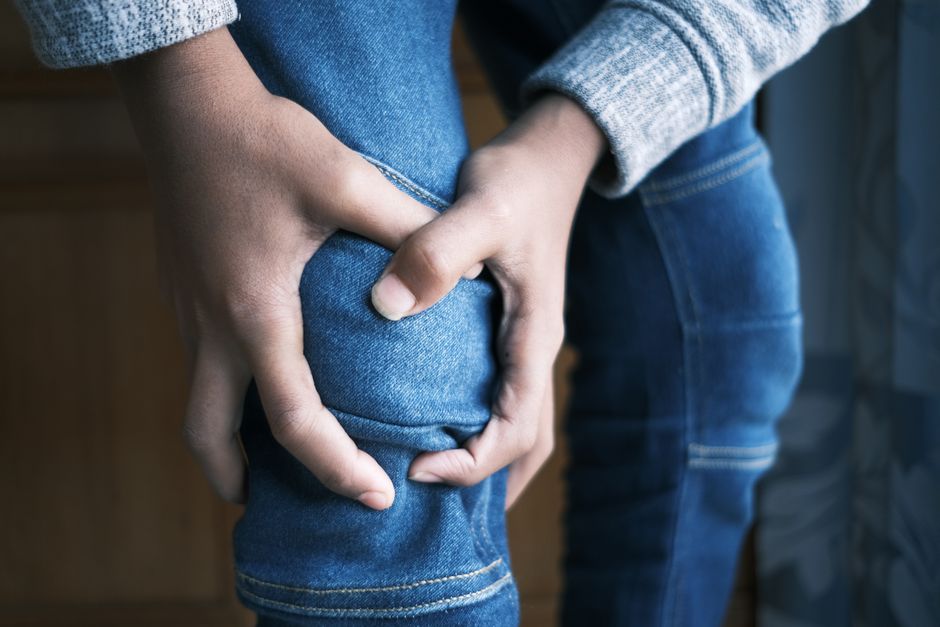
Ice is better for a joint that is swollen, hot, and recently injured. Heat is better for a joint that is stiff and achy but not swollen. That one rule covers most situations, and it is the rule clinicians actually use.
The reason comes down to what each temperature does to blood flow and tissue. Cold narrows blood vessels and slows the signals your nerves send to your brain. Heat opens blood vessels and relaxes muscle. Those are opposite effects, which is why the answer depends on what your joint is doing right now.
Joint pain is not one condition. Osteoarthritis, rheumatoid arthritis, gout, a sprained ankle, and a flare of tendinitis all behave differently. Matching the temperature to the problem matters more than picking a favorite.
What Does Ice Actually Do to a Painful Joint?
Cold reduces blood flow to the area and slows nerve conduction. That combination is why ice dulls pain and can limit swelling after an injury.
When you apply cold, the blood vessels near the surface tighten. This is called vasoconstriction. Less fluid leaks into the surrounding tissue, so swelling is less likely to build up. Cold also raises the threshold at which pain nerves fire, which means the same amount of pressure produces less pain signal.
These effects are well established in sports medicine and are the basis for the standard advice to ice a fresh injury. What ice does not do is repair tissue or change the course of a disease. It manages symptoms for a window of time.
There is a real debate in sports medicine about whether ice slows healing by reducing the inflammation that repair depends on. Some researchers have raised this concern for muscle injuries. For joint pain, the practical picture is simpler. If a joint is swollen and painful, short-term cold relief is reasonable. If you are trying to promote tissue repair, ice is not the tool.
Use cold for:
- A joint that is swollen, warm, or red
- A recent injury, generally within the first 48 hours
- Pain that flares sharply after activity
- A joint that feels hot to the touch
What Does Heat Do for a Stiff, Aching Joint?
Heat increases blood flow and relaxes the muscles around a joint. That is why it helps with stiffness, especially the morning stiffness common in osteoarthritis and rheumatoid arthritis.
Warmth causes blood vessels to widen, which brings more blood to the area. It also raises the temperature of the tissue, which makes muscle and connective tissue more flexible. A joint that feels locked up often loosens after ten or fifteen minutes of warmth.
Heat does not reduce swelling. In fact, if a joint is already swollen, heat can make it feel worse by adding more fluid to the area. This is the single most common mistake people make with joint pain. They reach for a heating pad because it feels good, and the joint swells more.
Use heat for:
- A joint that is stiff, especially in the morning
- Chronic aching without visible swelling
- Muscle tightness around a joint
- Warming up before gentle movement or exercise
Is Ice or Heat Better for Joint Pain Caused by Arthritis?
It depends on the type of arthritis and what the joint looks like today. Osteoarthritis and rheumatoid arthritis call for different approaches, and even within one type, the right choice changes day to day.
Osteoarthritis is a wear-and-tear condition. The cartilage that cushions the joint breaks down over time. Pain is often worse after activity and stiffness is worst in the morning or after sitting still. Heat helps that stiffness. Cold helps when a joint is swollen after a long walk or a flare.
Rheumatoid arthritis is different. It is an autoimmune disease in which the immune system attacks the lining of the joints. Joints can become swollen, warm, and painful without warning. During a flare, cold is usually the better choice because it targets the swelling. Between flares, heat can help with stiffness.
Gout is another case. It causes sudden, intense pain, redness, and swelling, most often in the big toe. A gout attack makes the joint hot and swollen, so cold is the more sensible choice. Some clinicians caution that extreme cold could theoretically worsen gout by promoting crystal formation, though this is not well established in human studies. Short applications of a cold pack are commonly used and generally tolerated.
If you are not sure which type of arthritis you have, that is worth clarifying with a doctor. The treatment strategies differ, and so does the temperature advice.
How Long Should You Apply Ice or Heat?
Keep sessions short. Fifteen to twenty minutes at a time is the standard recommendation for both ice and heat, with a barrier between the pack and your skin.
For ice, always wrap the pack in a thin towel. Never place a frozen pack directly on skin. Direct contact can cause cold burns, and the risk is higher if you have reduced sensation, which is common in diabetes and some nerve conditions.
For heat, use a heating pad on a low or medium setting, or a warm moist towel. Do not fall asleep with a heating pad on. Burns from heating pads are a common and preventable injury, especially in older adults and anyone with reduced skin sensation.
You can repeat ice or heat several times a day. Leave at least an hour between sessions so the skin can return to normal temperature.
If you have poor circulation, diabetes, or nerve damage, talk to your doctor before using either. The feedback your skin normally gives you may not be reliable, and that is what protects you from injury.
Can You Use Ice and Heat Together?
Yes, and some people find alternating them works better than either alone. The idea is to combine the swelling control of cold with the stiffness relief of heat.
A common approach is heat first to loosen the joint, then gentle movement, then ice if swelling appears afterward. Some clinicians recommend alternating hot and cold packs, though the evidence that this beats using one or the other is limited. It is widely done in physical therapy, but it is not strongly supported by large trials.
If you alternate, do not go back and forth rapidly. Give each temperature its full fifteen to twenty minutes. Rapid switching does not add benefit and can irritate skin.
When Should You Skip Both and See a Doctor?
Ice and heat manage symptoms. They do not treat the cause of joint pain, and some joint problems need medical care rather than a pack from the freezer.
See a doctor if:
- A joint is red, hot, and swollen along with a fever
- You cannot bear weight on the joint or move it normally
- Pain follows a serious injury or a fall
- Swelling comes on suddenly without a clear reason
- Pain lasts more than a few weeks or keeps getting worse
- You have numbness, tingling, or loss of sensation near the joint
A hot, swollen joint with a fever can be a sign of infection in the joint, which is a medical emergency. Do not try to manage that at home.
It is also worth being honest about what temperature therapy can and cannot do. Ice and heat can make a painful joint feel better for a while. They do not reverse arthritis, repair cartilage, or cure any joint condition. For most people with chronic joint pain, the realistic goal is management, not cure. That means combining temperature therapy with movement, strength work, and whatever your doctor recommends.
What Else Helps Joint Pain Besides Ice and Heat?
Movement and strength training do more for long-term joint pain than any pack you can buy. That is one of the few things in joint care that has strong evidence behind it.
Gentle range-of-motion exercise keeps a joint from stiffening. Strengthening the muscles around a joint takes pressure off the joint itself. For knee osteoarthritis in particular, exercise and weight management are among the most effective approaches studied, and they outperform most supplements in trials.
Supplements are a different story. Glucosamine and chondroitin have been studied extensively, and the results are mixed at best. Some trials show modest benefit, others show none. Turmeric and omega-3 supplements have some supporting evidence for inflammation, but the studies are smaller and the effects are modest. No supplement has been shown to reverse joint damage.
Over-the-counter pain relievers can help, but they carry real risks with long-term use, including stomach and kidney problems. Talk to a doctor or pharmacist before using them regularly.
The honest summary is that ice and heat are useful tools, not treatments. They work best as part of a broader plan that includes movement, appropriate medical care, and realistic expectations.
Frequently Asked Questions
Is ice or heat better for joint pain?
Ice is better for a joint that is swollen, hot, or recently injured, while heat is better for a joint that is stiff and achy without swelling. Match the choice to what the joint is doing right now.
Should I use heat or ice for arthritis?
For osteoarthritis, heat usually helps morning stiffness and ice helps after activity. For rheumatoid arthritis flares, cold is generally better because it targets swelling.
How long should I leave ice on a painful joint?
Fifteen to twenty minutes at a time, always with a thin towel between the pack and your skin. Leave at least an hour before repeating.
Can ice make joint pain worse?
Ice can worsen stiffness if a joint is not swollen, because cold tightens tissue. It can also cause skin injury if applied directly or left on too long.
When should I see a doctor for joint pain?
See a doctor if a joint is red, hot, and swollen with a fever, if you cannot bear weight, or if pain lasts more than a few weeks. A hot swollen joint with fever needs urgent care.
