
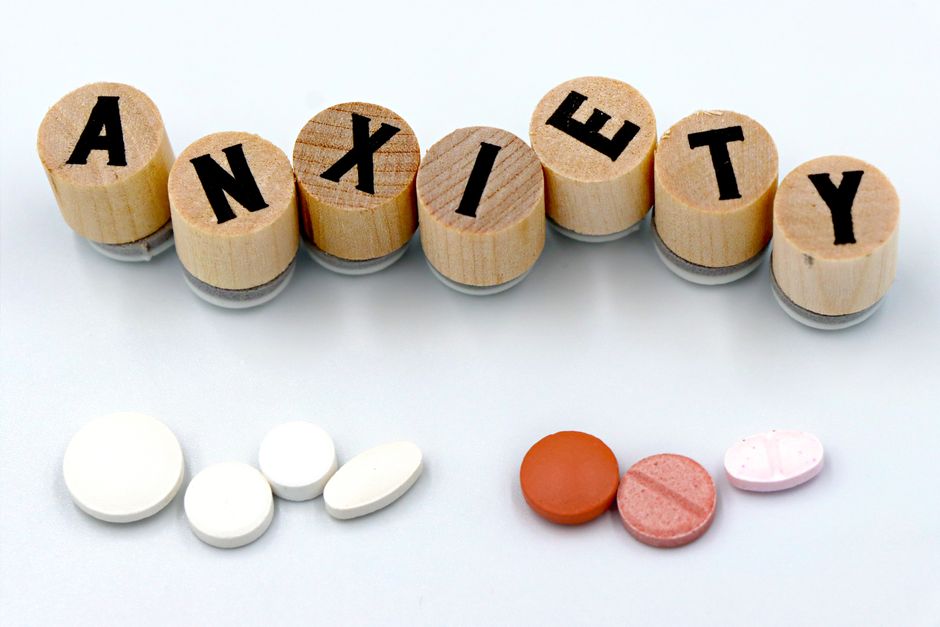
Hydroxyzine is not considered addictive. It is not a controlled substance in the United States, and clinical references do not describe a pattern of compulsive use, craving, or dose escalation the way they do for benzodiazepines or opioids. People can stop hydroxyzine without the withdrawal syndrome that marks physical dependence on those drugs. The bigger practical concern with hydroxyzine is sedation, not addiction.
That distinction matters because hydroxyzine is often prescribed for anxiety, and many people reasonably worry about dependence after hearing warnings about “anti-anxiety pills.” Hydroxyzine works through a different mechanism than the drugs that carry that risk. Understanding why helps separate a real safety profile from a fear that does not match the pharmacology.
What Is Hydroxyzine And How Does It Work?
Hydroxyzine is an antihistamine. It belongs to the same broad drug family as diphenhydramine, the active ingredient in many over-the-counter sleep and allergy products. It was first approved decades ago and is used for several purposes: short-term anxiety, itching from allergic skin reactions, and sedation before medical procedures.
The drug blocks histamine receptors in the brain. Histamine is a chemical involved in wakefulness and alertness, so blocking it produces drowsiness. Hydroxyzine also has mild effects on several other receptors, which is thought to contribute to its calming effect in anxiety. This is a different pathway from gamma-aminobutyric acid, or GABA, the system that benzodiazepines act on.
That mechanistic difference is the core reason hydroxyzine does not carry the dependence liability of benzodiazepines. The drug does not produce the same reward or reinforcement signals in the brain that drive compulsive use.
Is Hydroxyzine Addictive For Anxiety Or Habit Forming?
Hydroxyzine is not habit forming in the clinical sense. The term “habit forming” usually refers to a drug that produces craving, loss of control over use, and continued use despite harm. Hydroxyzine does not show that profile.
The U.S. Drug Enforcement Administration does not schedule hydroxyzine under the Controlled Substances Act. Drugs with meaningful abuse potential, such as benzodiazepines, are scheduled. The absence of scheduling reflects a long clinical record without a recognized pattern of misuse.
Some people do develop a psychological comfort with any medication that helps them feel calm, and that is worth naming honestly. Relying on a pill to manage anxiety can become a habit of mind even when the drug itself is not addictive. That is a behavioral pattern, not a chemical dependence, and it is usually addressed by building other coping skills alongside medication rather than by treating the drug as dangerous.
How Hydroxyzine Compares To Drugs That Are Addictive
The contrast with benzodiazepines is useful because the two are sometimes lumped together as “anxiety medications.” They are not equivalent.
- Benzodiazepines act on GABA receptors, can produce tolerance and physical dependence, and carry a risk of withdrawal that can be serious. They are controlled substances.
- Hydroxyzine blocks histamine receptors, is not a controlled substance, and does not have a recognized withdrawal syndrome in standard references.
- Opioids act on opioid receptors and carry substantial addiction risk. Hydroxyzine has no action at these receptors.
This does not make hydroxyzine risk-free. It means the specific risk of addiction is not the concern clinicians watch for.
Can You Become Dependent On Hydroxyzine?
Physical dependence and addiction are not the same thing, and the difference is often blurred in everyday conversation. Addiction involves compulsive use and craving. Physical dependence means the body has adapted to a drug and reacts when it is stopped.
Hydroxyzine is not typically associated with physical dependence of the kind seen with benzodiazepines or opioids. Standard drug references do not list a withdrawal syndrome for hydroxyzine. That said, some people who stop any sedating medication after long use report feeling “off” for a short time, and this is not well studied for hydroxyzine specifically. If you have taken it daily for a long period and want to stop, it is reasonable to mention it to your prescriber rather than assume anything about how your body will respond.
Tolerance is a related question. Tolerance means needing more of a drug to get the same effect. Tolerance to the sedating effects of antihistamines can develop with regular use, which is one reason hydroxyzine is often prescribed for short-term or as-needed use rather than as a long-term daily anxiety treatment. This is a practical prescribing consideration, not evidence of addiction.
What Are The Real Risks Of Hydroxyzine?
Sedation is the most common side effect. Hydroxyzine can make you drowsy, and that drowsiness can affect driving and operating machinery. This is the main reason people are advised to see how the drug affects them before doing anything that requires alertness.
Other commonly reported effects include dry mouth, blurred vision, and dizziness. These are typical of antihistamines and usually lessen over time, though not always.
Hydroxyzine can affect heart rhythm, particularly the QT interval, in some people. This is a known concern with certain antihistamines. It is more relevant for people with existing heart conditions, those taking other drugs that affect heart rhythm, or those with electrolyte imbalances. Your prescriber may consider this when deciding whether hydroxyzine is appropriate for you.
Older adults are more sensitive to the sedating and anticholinergic effects of antihistamines, and this is a well-recognized issue in geriatric medicine. Drowsiness, confusion, and falls are real concerns in this group. If you are older, this is worth discussing with your clinician.
Hydroxyzine is generally not recommended during pregnancy or breastfeeding without a careful discussion with a clinician. Established guidance on its use in these situations exists and should come from your prescriber, not from general information.
Why Do People Worry About Hydroxyzine Being Addictive?
The worry usually comes from the word “anxiety” rather than from the drug itself. Many people have heard that anxiety medications are hard to stop, and that is true for some classes. Benzodiazepines in particular have well-documented dependence potential, and public awareness of that has spread to other anxiety drugs by association.
There is also a broader cultural caution around any medication that changes how you feel. That caution is reasonable in general. It is simply not matched by the evidence for hydroxyzine specifically.
Another source of confusion is the overlap between “dependence” and “addiction” in ordinary language. Someone who feels uneasy about stopping a medication that has helped them may describe themselves as “dependent,” but that is not what the clinical term means. The distinction is worth holding onto, because it changes what, if anything, needs to be done.
How Should Hydroxyzine Be Used Safely?
Take hydroxyzine exactly as prescribed. It is often prescribed on an as-needed basis for anxiety, which means you may not take it every day. Follow the instructions your clinician gave you rather than adjusting the dose on your own.
Because of the sedation risk, avoid driving or operating machinery until you know how the drug affects you. Avoid alcohol while taking it, since both are sedating and the combination can amplify drowsiness and impair coordination.
Tell your prescriber about all other medications and supplements you take. This matters for the heart rhythm concern and for any drug that adds to sedation.
If hydroxyzine is not controlling your anxiety well, or if you find yourself wanting to take more than prescribed, that is important information to share with your clinician. It may point to a need to rethink the treatment plan, not to a sign that you are addicted. Anxiety itself often needs a broader approach, including therapy such as cognitive behavioral therapy, which has strong evidence for anxiety disorders.
Hydroxyzine is a tool, not a solution on its own. Used as directed, it can take the edge off anxiety in the short term. The longer-term work of managing anxiety usually involves more than a medication.
Frequently Asked Questions
Is hydroxyzine addictive?
No. Hydroxyzine is not considered addictive and is not a controlled substance in the United States. It does not produce the craving or compulsive use seen with benzodiazepines or opioids.
Can you stop hydroxyzine suddenly?
Hydroxyzine is not associated with a recognized withdrawal syndrome, so stopping is generally not the same concern as with benzodiazepines. If you have taken it daily for a long time, mention your plan to stop to your prescriber.
Does hydroxyzine cause withdrawal symptoms?
Standard drug references do not list a withdrawal syndrome for hydroxyzine. Some people report feeling off after stopping any sedating medication, but this is not well studied for hydroxyzine specifically.
Is hydroxyzine the same as a benzodiazepine?
No. Hydroxyzine is an antihistamine that blocks histamine receptors, while benzodiazepines act on GABA receptors and carry a real risk of dependence. They are different drug classes with different risk profiles.
