
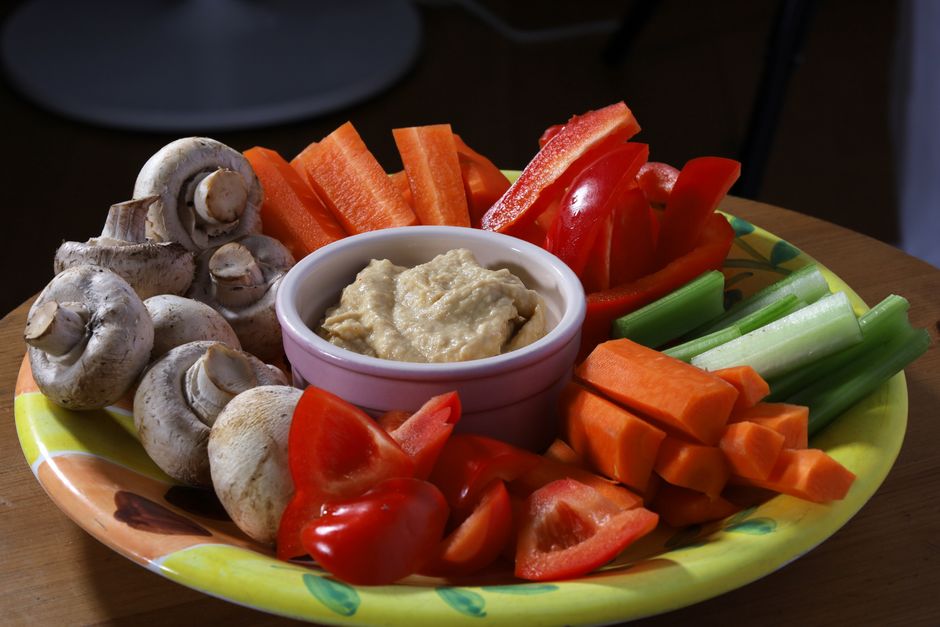
Hummus is not a fattening food in itself. It is a nutrient-dense spread made mostly from chickpeas, tahini, olive oil, lemon, and garlic, and its calories are moderate for a food this filling. Weight gain comes from eating more calories than your body uses, and hummus can fit comfortably into a weight-maintenance or weight-loss diet when portions are reasonable.
The confusion comes from its fat content. Hummus contains fat from tahini and olive oil, and fat carries more calories per gram than protein or carbohydrate. But not all high-fat foods promote weight gain, and the evidence on hummus specifically does not support the idea that it makes people fat.
Is Hummus Fattening Food or a Healthy Choice?
Hummus is a healthy choice for most people, and the fat in it is mostly unsaturated. That distinction matters. Unsaturated fats from plant sources are associated with better heart health than saturated fats, and the Mediterranean-style eating pattern that includes legumes and olive oil is one of the most consistently supported dietary patterns in nutrition research.
What hummus is not is a low-calorie food. Two tablespoons of typical commercial hummus contain roughly 60 to 80 calories, depending on the brand and oil content. That is not high by any standard, but it adds up quickly if you scoop freely with bread or chips.
The chickpea base brings fiber and plant protein. Both slow digestion and help you feel full, which is one reason hummus tends to satisfy hunger better than its calorie count would suggest. Fiber and protein are the two nutrients most reliably linked to feeling full after a meal.
How Many Calories Are in Hummus?
A standard two-tablespoon serving of hummus contains about 60 to 80 calories, with most of that coming from fat and carbohydrate. Commercial brands vary widely because the amount of tahini and added oil differs from recipe to recipe.
Here is a rough comparison of a typical two-tablespoon serving:
| Nutrient | Typical Amount |
|---|---|
| Calories | 60–80 |
| Total fat | 4–6 g |
| Carbohydrate | 4–6 g |
| Fiber | 1–2 g |
| Protein | 2 g |
These figures are approximate because recipes differ. A homemade hummus with generous tahini and olive oil will run higher in calories than a lighter commercial version. Neither is inherently fattening. The number that matters is how much you eat and what you eat it with.
Why Does Hummus Have a Reputation for Being Fattening?
Hummus gets labeled fattening because of its fat content and because of how people eat it. Both reasons deserve a closer look.
Tahini is ground sesame seeds, and sesame is an oily seed. Olive oil is pure fat. Together they give hummus a rich texture and a fat content that looks high on a label to anyone trained to fear fat. But the fear of dietary fat as a direct cause of body fat has weakened considerably. Research consistently shows that total calories and overall diet quality matter more than fat content alone.
The bigger issue is the delivery system. Hummus is rarely eaten by the spoonful. It is eaten with pita, crackers, or chips, and those foods can carry far more calories than the hummus itself. A generous scoop of hummus on a large piece of bread is a different calorie event than two tablespoons with raw vegetables.
Portion size is the other factor. Hummus is easy to overeat because it is soft, salty, and satisfying. A “dollop” that fills half a small bowl can easily be four to six servings.





Does Hummus Help With Weight Loss?
Some studies suggest that legumes, including chickpeas, support satiety and may help with weight management when they replace less filling foods. The evidence is encouraging but not definitive for hummus specifically. Most research looks at legumes or the Mediterranean diet as a whole, not at hummus as an isolated food.
The mechanism is reasonable. Fiber and protein both increase feelings of fullness, and hummus contains both. Replacing a refined-carbohydrate snack like white bread or crackers with hummus and vegetables lowers the calorie density of the snack while increasing fiber and protein. That swap is a sensible move for most people.
What hummus will not do is cause weight loss on its own. No single food does that. The evidence supports hummus as part of a balanced diet, not as a weight-loss tool by itself.
What Should You Watch Out For With Hummus?
Commercial hummus can hide added oils, sugar, and sodium. Reading the ingredient list is worth the ten seconds it takes.
- Added oils. Some brands use cheaper oils like soybean or canola in place of or in addition to olive oil. That is not dangerous, but it changes the fat profile and sometimes the calorie count.
- Sodium. Hummus is often salty. If you are watching blood pressure, compare labels. Sodium content varies a lot between brands.
- Sugar. Traditional hummus has none, but some flavored varieties add it. Check the label.
- Portion creep. Measure a serving once so you know what two tablespoons actually looks like in your bowl.
None of these make hummus a bad food. They are reasons to choose thoughtfully rather than assume every tub is the same.
What Is the Healthiest Way to Eat Hummus?
The healthiest way to eat hummus is with vegetables rather than refined bread or chips. Carrots, cucumber, bell pepper, and celery add volume, fiber, and nutrients without adding many calories. That combination is filling and nutrient-dense.
When you do use bread, choose a whole-grain option and keep the portion moderate. Hummus on whole-grain toast or pita is a reasonable snack or light meal. The bread is often the larger calorie contributor, so portion awareness there matters more than the hummus itself.
Homemade hummus gives you control over oil and salt. A basic recipe of chickpeas, tahini, lemon juice, garlic, and a modest amount of olive oil is simple and lets you adjust to taste. You can also thin it with the chickpea cooking liquid or water instead of extra oil.
One clarification worth making: hummus is a legume-based food, and legumes are one of the food groups most consistently associated with good health outcomes in large population studies. That does not mean hummus is a magic food. It means it belongs to a category of foods that most people would benefit from eating more of, not less.
Does Hummus Fit Into a Weight-Loss Diet?
Yes, hummus fits into a weight-loss diet for most people. Weight loss depends on a sustained calorie deficit, and hummus can be part of that deficit if portions are managed and it replaces higher-calorie foods.
The practical question is what hummus replaces. If it replaces a mayonnaise-based dip or a cheese spread, it likely lowers calories while adding fiber. If it is added on top of an already full diet, it adds calories. Context decides.
People who find that hummus helps them eat more vegetables and feel fuller between meals often find it useful for weight management. People who eat it in large amounts with bread may find it contributes more calories than they expect. Both outcomes are possible with the same food.
Frequently Asked Questions
Is hummus fattening?
No, hummus is not inherently fattening. It is moderately calorie-dense and high in unsaturated fat, and weight gain depends on total calorie intake rather than any single food.
How many calories are in two tablespoons of hummus?
A typical two-tablespoon serving contains about 60 to 80 calories. The exact number varies by brand and recipe because tahini and oil amounts differ.
Can I eat hummus every day and still lose weight?
Yes, daily hummus can fit into a weight-loss diet if it stays within your calorie needs. Portion size and what you eat it with matter more than the hummus itself.
Is hummus high in fat?
Hummus contains a moderate amount of fat, mostly unsaturated fat from tahini and olive oil. That fat is not a reason to avoid it, but it does contribute to the calorie count.
