
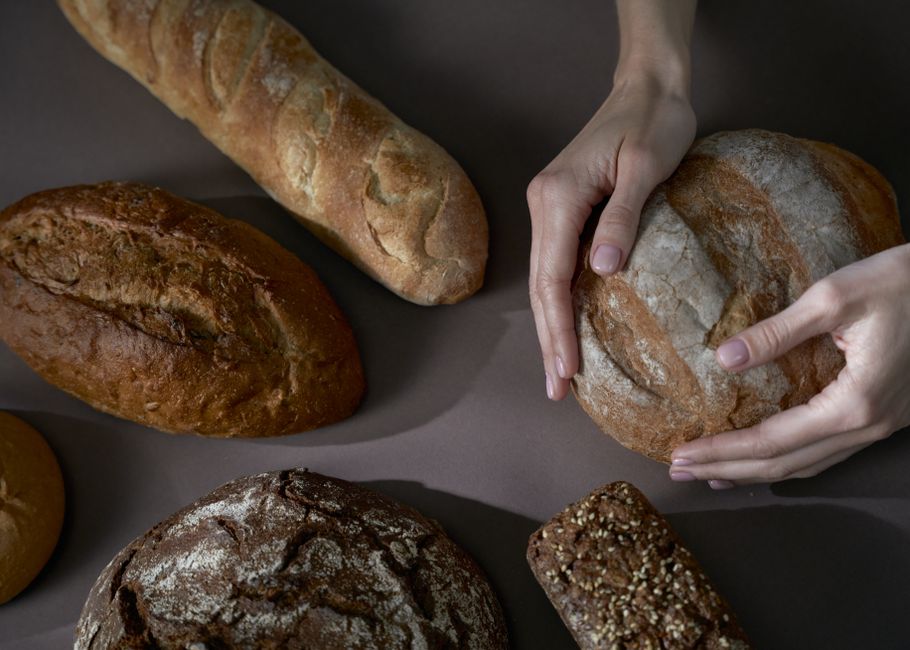
If you bake bread at home from flour, water, yeast, and salt, you are making a processed food. That surprises many people. The word “processed” has become a stand-in for “bad” in everyday conversation, but in nutrition science it simply means a food has been changed from its raw state. Milling wheat into flour is a processing step. So is baking. The more useful question is not whether homemade bread is processed, but what kind of processed food it is — and whether that matters for your health.
What Does “Processed Food” Actually Mean?
Almost everything you eat has been processed in some way. Processing covers a wide range of actions: washing, cutting, freezing, canning, milling, fermenting, and cooking. By that definition, a bag of frozen plain vegetables is processed. So is a carton of milk. So is homemade bread.
The term that gets more attention in nutrition research is ultra-processed food. This category refers to industrial formulations made mostly from substances extracted from whole foods — things like refined starches, hydrogenated oils, protein isolates, and added sugars — along with additives used for texture, color, or shelf life. Examples include many packaged snacks, sugary drinks, and reconstituted meat products.
Homemade bread does not fit the ultra-processed category. It is made from ingredients you can name and measure in your own kitchen. That distinction matters more than the broad “processed” label.
Is Homemade Bread Considered Processed Food?
Yes. Homemade bread is a processed food by any standard definition. The grain has been milled, the dough has been mixed and kneaded, and the loaf has been baked. Each of those steps transforms the original ingredients.
But “processed” is a spectrum, not a switch. Nutrition researchers often sort foods into groups based on how much they have been altered:
- Unprocessed or minimally processed: whole wheat berries, fresh vegetables, plain meat, eggs
- Processed culinary ingredients: flour, oil, salt, sugar — items used to prepare other foods
- Processed foods: bread, cheese, canned vegetables, cured meats
- Ultra-processed foods: packaged pastries, soda, instant noodles, many ready-to-eat meals
Homemade bread lands in the third group. It is a processed food made largely from processed culinary ingredients. It is not an ultra-processed food.
Why Is Store-Bought Bread Often Called Ultra-Processed?
Commercial bread can contain a longer ingredient list than homemade bread, and that is where the ultra-processed label starts to apply. Many mass-produced loaves include emulsifiers, dough conditioners, preservatives, and added sugars or syrups to keep the bread soft and shelf-stable.
Not every commercial loaf is ultra-processed. Some bakery breads and simple packaged loaves contain only flour, water, yeast, and salt. The ingredient list is the clearest signal. If it reads like a recipe you could follow at home, it is closer to a processed food than an ultra-processed one.
This is where a common assumption breaks down. People often assume homemade is automatically healthier and store-bought is automatically worse. The truth depends on what goes into each loaf, not where it was baked.



Does Processing Make Bread Bad for You?
No. Processing itself does not determine whether a food helps or harms your health. What matters is the nutrition the food delivers and how it fits into your overall diet.
Bread made from whole grains provides fiber, B vitamins, and minerals. Refined white flour has had the bran and germ removed, which strips away much of the fiber and several nutrients. In the US, refined wheat flour is enriched by law to add back some B vitamins and iron, but the fiber is not restored.
So a homemade loaf made with white flour is still a processed food with less fiber than a whole wheat version. A homemade whole wheat loaf offers more fiber. Either way, the bread is not inherently harmful. The larger pattern of your diet — what else you eat across the day and week — has more influence on health than any single food.
How Does Homemade Bread Compare to Store-Bought?
The comparison depends on the specific products. Here is how the two generally differ:
| Feature | Typical Homemade Bread | Typical Commercial Bread |
|---|---|---|
| Ingredient list | Short, often 4-6 items | Can be long, with additives |
| Additives | Usually none | Emulsifiers, preservatives common |
| Added sugar | Often none or minimal | Frequently added |
| Sodium | Varies by recipe | Varies; can be high |
| Shelf life | Days | Weeks |
| Cost per loaf | Often lower | Varies widely |
Homemade bread tends to have fewer additives and less added sugar. It also goes stale faster because it lacks preservatives. That short shelf life is a trade-off, not a flaw.
Sodium is worth watching in both. Some commercial breads are a notable source of dietary sodium, and homemade recipes can be too if they call for a lot of salt. The American Heart Association notes that bread is a common source of sodium in the US diet, largely because people eat it often.
Does Homemade Bread Have Health Advantages?
Some advantages are clear, and others are overstated.
What is well established: homemade bread lets you control the ingredients. You choose the flour, the amount of salt, and whether to add sugar. You avoid preservatives and emulsifiers unless you add them yourself. If you use whole grain flour, you get more fiber than a refined white loaf provides.
What is less certain: claims that homemade bread is easier to digest, that it has a lower glycemic impact, or that it is meaningfully better for gut health than commercial bread. The evidence here is mixed and depends heavily on the specific flours, fermentation time, and recipe used. Sourdough fermentation, for example, changes the bread’s acidity and texture, and some studies suggest it may affect how quickly blood sugar rises after eating. But results vary, and no large human trials have confirmed broad health benefits from sourdough over other breads.
One non-obvious point: the word “processed” tells you almost nothing about a food’s nutritional value on its own. A homemade white bread loaf and a bag of candy are both processed, but they are not remotely comparable. The category is too broad to be a useful guide by itself.
Should You Worry About the “Processed” Label?
Not in the case of homemade bread. The label is accurate but not alarming. What research consistently links to health concerns is a high intake of ultra-processed foods — the industrial formulations with long ingredient lists and little whole-food content. Homemade bread is not that.
If you want to make your bread work harder for your health, a few practical points help:
- Use whole grain flour, or blend whole wheat with white, to raise the fiber content
- Keep added salt and sugar modest
- Watch portion size, since bread is calorie-dense
- Pair it with protein, healthy fats, and vegetables for a more balanced meal
None of this is prescriptive. It is simply how the nutrition adds up. A homemade loaf is a processed food, and that is fine. The processing is what turns flour and water into something you can actually eat.
Frequently Asked Questions
Is homemade bread considered processed food?
Yes, homemade bread is a processed food because the grain is milled and the dough is baked. It is not, however, an ultra-processed food.
Is homemade bread healthier than store-bought bread?
It can be, mainly because you control the ingredients and can avoid additives and added sugar. The health difference depends on the recipe and the specific store-bought loaf you compare it to.
Is homemade bread ultra-processed?
No. Ultra-processed foods are industrial formulations with additives and little whole-food content, while homemade bread is made from basic ingredients in your kitchen.
Does processing bread make it unhealthy?
No. Processing does not determine whether a food is healthy. What matters is the fiber, nutrients, and overall role the bread plays in your diet.
