
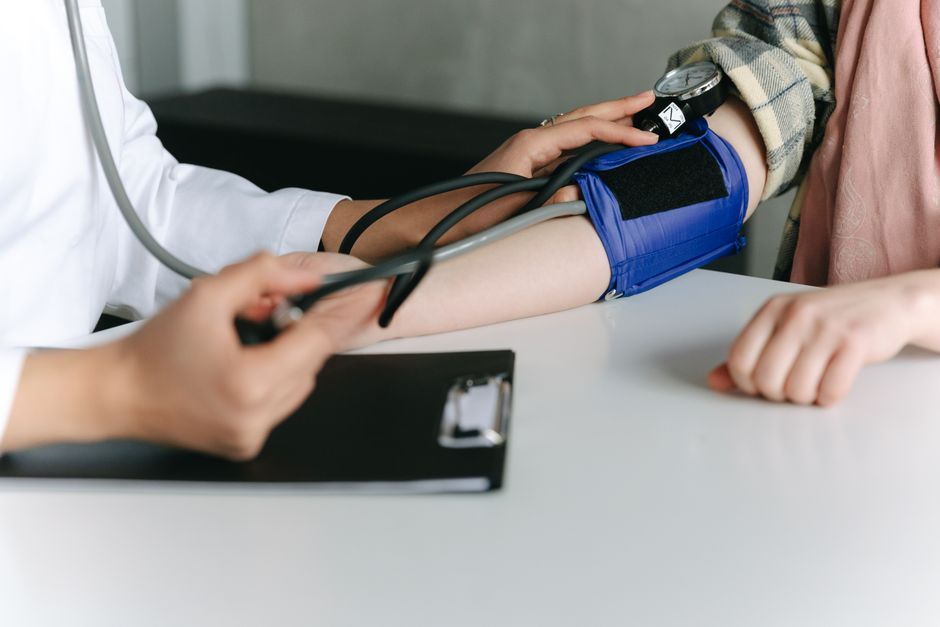
High blood pressure is one of the most controllable chronic conditions in medicine. For most people, a combination of medication and daily habits can bring numbers down and keep them there. The tricky part is that it rarely causes symptoms, so control depends on measuring and treating something you cannot feel.
What Does “Controllable” Actually Mean With High Blood Pressure?
Controllable does not mean cured. It means blood pressure can be lowered into a safer range and kept there, usually for life, with ongoing treatment.
For most adults, the goal is a reading below 130/80 mm Hg. That is the threshold used by major US heart and cardiology organizations. Some people — those who are older, frail, or have certain other conditions — may have different targets set by their doctor.
“Kept there” is the key phrase. Blood pressure treatment works while you use it. Stop a medication and pressure typically drifts back toward where it started within days to weeks. The same is true for lifestyle habits. This is not a sign of failure. It reflects how blood pressure regulation works.
Two categories of people exist here. Some have primary hypertension — no single identifiable cause, driven by genetics, age, weight, diet, and other factors. This is the large majority. Others have secondary hypertension, meaning a specific condition such as kidney disease, a hormone disorder, or a medication is driving it. Secondary causes matter because treating the underlying problem can sometimes improve or resolve the pressure itself.
Is High Blood Pressure Controllable What To Know About the Numbers?
Blood pressure is written as two numbers. The top number (systolic) is the pressure in your arteries when your heart beats. The bottom number (diastolic) is the pressure between beats.
Both numbers matter. For years, diastolic pressure got more attention, especially in younger adults. Current evidence shows systolic pressure is a strong predictor of cardiovascular risk, particularly after age 50. Neither number should be ignored.
One reading proves very little. Blood pressure swings with stress, caffeine, sleep, and even the setting. Diagnosis generally requires multiple elevated readings over time, often confirmed with home monitoring or a 24-hour ambulatory monitor.
How Do Medications Bring Blood Pressure Down?
Blood pressure medications work through different mechanisms, and most people need more than one. Combining drugs from different classes often works better than pushing a single drug to a high dose, and it tends to cause fewer side effects.
- Diuretics help the kidneys remove excess sodium and water, reducing the volume of fluid in your blood vessels.
- ACE inhibitors and ARBs relax blood vessels by blocking specific hormone signals that tighten them.
- Calcium channel blockers relax the muscles in artery walls, widening the vessels.
- Beta blockers slow the heart rate and reduce the force of each beat. They are used more selectively now but remain important for certain heart conditions.
Some clinicians recommend starting with two medications at low doses rather than one at a higher dose. This is common clinical practice, though which combination works best depends on the person.
Side effects are real and worth discussing rather than enduring. A cough with ACE inhibitors, ankle swelling with certain calcium channel blockers, and fatigue with beta blockers are well documented. Most people can find a combination they tolerate. That process sometimes takes a few adjustments.
Do not stop or change a blood pressure medication on your own. Rebound increases in pressure can happen, and some drugs cause a sharp rise if stopped suddenly.



Which Lifestyle Changes Actually Lower Blood Pressure?
Lifestyle changes are not a soft alternative to medication. For some people with mildly elevated pressure, they are enough. For others, they reduce how much medication is needed. The effect sizes vary, and not everyone responds the same way.
The best-supported changes include:
- Reducing sodium. Cutting sodium intake lowers blood pressure in many people, though sensitivity varies widely. Much of the sodium in a typical US diet comes from processed and restaurant food, not the salt shaker.
- Losing excess weight. Weight loss tends to lower blood pressure, and the effect generally scales with how much is lost. Regaining weight tends to reverse the benefit.
- Regular physical activity. Aerobic exercise such as brisk walking, cycling, or swimming lowers blood pressure in most people who do it consistently. The effect fades when activity stops.
- Limiting alcohol. Heavy drinking raises blood pressure. Reducing intake can lower it.
- Eating patterns rich in vegetables, fruits, and low-fat dairy. The DASH eating pattern is the most studied dietary approach for blood pressure. It has been shown in controlled feeding studies to lower pressure, particularly when combined with reduced sodium.
- Not smoking. Smoking damages blood vessels and raises cardiovascular risk, though its direct effect on long-term resting blood pressure is more complicated than commonly assumed. Quitting remains one of the most important steps for heart health.
Potassium deserves a mention. Higher potassium intake is associated with lower blood pressure in many people, and it is part of why the DASH pattern works. However, potassium supplements can be dangerous for people with kidney disease or those taking certain medications. Food sources are generally the safer route, and anyone with kidney problems should ask a doctor before increasing potassium.
Why Does Control Matter More Than the Diagnosis?
High blood pressure damages arteries quietly over years. That damage shows up later as heart attack, stroke, heart failure, kidney disease, and vision problems.
The reason control matters is that lowering pressure reduces those risks. This is one of the most consistently demonstrated findings in cardiovascular medicine. Trials going back decades have shown that treating high blood pressure reduces strokes and heart attacks, and the benefit holds across age groups, though the absolute risk reduction is larger in people at higher baseline risk.
What is less certain is how low is optimal for every individual. Guidelines set general targets, but the right number for a specific person depends on age, other conditions, and how they tolerate treatment. This is a genuine area of clinical judgment, not a fixed rule.
Can You Control Blood Pressure Without Medication?
Sometimes. For people with mildly elevated pressure and no other major risk factors, lifestyle changes alone may be enough to reach target. This is more likely with modest elevations and when changes are sustained.
For most people with confirmed hypertension, though, lifestyle alone is not sufficient. That is not a personal failing — it reflects how strongly genetics and age influence blood pressure. Combining habits with medication usually produces better control than either alone.
Some people are able to reduce medication over time with sustained weight loss and habit changes. This should be done with a doctor’s guidance, not independently.
How Do You Know Your Blood Pressure Is Under Control?
You measure it. There is no other reliable way, because high blood pressure usually causes no symptoms until damage is advanced.
Home monitoring is one of the most useful tools. It shows readings across days and situations rather than a single snapshot in a clinic. Home readings tend to run slightly lower than clinic readings for many people, and some people have the opposite pattern — higher at home or higher in the clinic. Both patterns exist and both matter.
For home measurement to be useful, technique matters. Sit quietly for a few minutes first. Keep your back supported and feet flat. Support your arm at heart level. Use a validated upper-arm cuff, not a wrist or finger device. Take two readings a minute apart and record them.
Bring your log to appointments. Patterns over weeks tell a doctor far more than one number.
What Gets in the Way of Control?
Several things reliably undermine blood pressure control, and most are fixable.
- Stopping medication when numbers look good. Normal readings on treatment mean the treatment is working, not that it is no longer needed.
- Missed doses. Some blood pressure medications lose effectiveness within a day or two of being skipped.
- Other medications and substances. Nonsteroidal anti-inflammatory drugs, some decongestants, certain antidepressants, oral contraceptives, and stimulants can raise blood pressure.
- Alcohol and high sodium intake. Both can quietly push pressure up even when medication is taken correctly.
- Untreated sleep apnea. This is a commonly missed contributor to hard-to-control hypertension.
- Not measuring at all. Without readings, there is no way to know whether treatment is working.
If pressure stays high despite three medications including a diuretic, that is sometimes called resistant hypertension. It warrants a closer look for secondary causes and for factors like sleep apnea or medication interactions.
Frequently Asked Questions
Can high blood pressure go away permanently?
For most people, high blood pressure is managed rather than cured, and treatment is usually lifelong. In some cases — such as when a secondary cause is corrected or with substantial sustained weight loss — pressure can improve enough that medication is reduced or stopped under medical supervision.
How fast can blood pressure be lowered?
Some medications lower pressure within hours to days, while lifestyle changes typically take weeks to show measurable effects. Except in a hypertensive emergency, pressure is generally lowered gradually rather than all at once.
Is 130/80 considered high blood pressure?
Yes. Major US heart and cardiology organizations define stage 1 hypertension as 130/80 mm Hg or higher. A single reading is not a diagnosis, and confirmation with repeat or home measurements is standard.
Can you feel when your blood pressure is high?
Usually not. High blood pressure is typically silent until it causes organ damage or reaches extreme levels, which is why regular measurement matters more than how you feel.
