
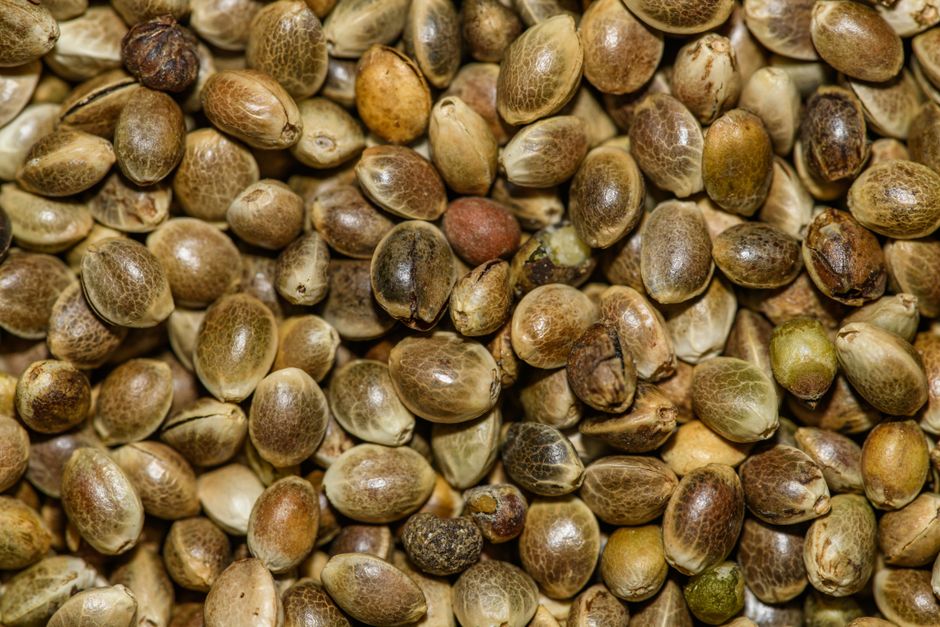
Hemp seed oil is a carrier oil, and it is a good one. It is pressed from the seeds of the hemp plant, not the leaves or flowers. This oil works well to dilute essential oils for skin application and has its own set of benefits, including a healthy ratio of fatty acids. It is a practical choice for anyone looking to use essential oils safely and add a nourishing oil to their routine.
What Exactly Is Hemp Seed Oil?
Hemp seed oil comes from the seeds of the Cannabis sativa plant. The key detail is that it is made from the seeds. The seeds do not contain significant amounts of cannabinoids like CBD or THC. That means hemp seed oil will not get you high and does not contain the compounds people often associate with the cannabis plant.
It is a greenish oil with a slightly nutty flavor. In the health and beauty world, it is valued for its fatty acid profile. It is rich in omega-3 and omega-6 fatty acids, which the body needs but cannot produce on its own. This makes it a popular ingredient in skincare products and a useful base for homemade preparations.
Is Hemp Seed Oil A Carrier Oil?
Yes. A carrier oil is any vegetable oil used to dilute essential oils before applying them to the skin. Essential oils are highly concentrated and can cause irritation or burning if used undiluted. Carrier oils make them safe to use.
Hemp seed oil performs this job well. It is light, absorbs quickly, and does not leave a heavy greasy feeling. It mixes easily with essential oils. Because it is a fixed oil, meaning it does not evaporate, it stays on the skin long enough to carry the essential oil into the upper layers of the skin.
When choosing a carrier oil, the goal is to find one that suits your skin type and absorbs well. Hemp seed oil fits that description for most people. It is especially useful for those with dry or sensitive skin because of its moisturizing properties.
How Do You Use Hemp Seed Oil as a Carrier Oil?
Using hemp seed oil as a carrier is simple. The general rule for diluting essential oils is to use a 2% to 5% dilution. That means adding 3 to 6 drops of essential oil per tablespoon of carrier oil. For facial applications, a weaker dilution is better. For body massage, a stronger dilution is acceptable.
Here are the most common ways to use it:
- Massage oil: Mix hemp seed oil with a few drops of lavender or peppermint essential oil for a relaxing or invigorating massage blend.
- Skin serum: Combine with frankincense or tea tree oil and apply to the face as a nightly moisturizer.
- Bath oil: Add a tablespoon of hemp seed oil mixed with essential oils to a warm bath.
- Hair treatment: Massage a small amount into the scalp and ends of hair before washing.
Always do a patch test first. Apply a small amount of the diluted mixture to your inner forearm and wait 24 hours to check for any reaction. This is a standard safety step with any new oil.





What Are the Benefits of Using Hemp Seed Oil?
Hemp seed oil offers benefits beyond just being a carrier. It is a source of nutrition for the skin. The fatty acids in the oil help maintain the skin’s natural barrier, which keeps moisture in and irritants out.
Research suggests that topical application of hemp seed oil can improve symptoms of dry skin and reduce the need for other moisturizers. Some studies indicate it may help with conditions like eczema and atopic dermatitis because of its anti-inflammatory properties. However, the evidence is not extensive, and results vary from person to person. It is not a treatment for these conditions, but it can be a helpful part of a skincare routine.
The oil also contains antioxidants, including vitamin E. Antioxidants help protect the skin from damage caused by free radicals, which are unstable molecules that can accelerate aging. This is why hemp seed oil appears in many anti-aging products.
One non-obvious point worth noting is that hemp seed oil is not the same as CBD oil. CBD oil is made from the flowers, leaves, and stalks of the hemp plant. It contains cannabinoids. Hemp seed oil does not. If you are looking for the potential benefits of CBD, hemp seed oil will not provide them. If you are looking for a carrier oil with skin-nourishing properties, it will.
Does Hemp Seed Oil Have Any Drawbacks?
Hemp seed oil is not for everyone. People with a known allergy to hemp seeds should avoid it. It is also a nutty oil, and while it is not a tree nut, those with severe nut allergies should use caution and consult a healthcare provider before trying it.
Because it is rich in polyunsaturated fats, hemp seed oil has a relatively short shelf life. It can go rancid quickly if not stored properly. Keep it in a cool, dark place and use it within six months of opening. If it smells sharp or bitter, it has gone bad and should be discarded.
Another consideration is that hemp seed oil can be slightly comedogenic for some people. That means it may clog pores for those with acne-prone skin. It is generally considered low on the comedogenic scale, but individual reactions vary. If you have acne-prone skin, test it on a small area first and observe how your skin responds.
Hemp Seed Oil vs. Other Common Carrier Oils
Hemp seed oil is one of many carrier oils. It helps to know how it compares to the most common alternatives.
| Carrier Oil | Texture | Best For | Main Benefit |
|---|---|---|---|
| Hemp Seed Oil | Light, absorbs quickly | Dry or sensitive skin | Balanced omega fatty acids |
| Jojoba Oil | Waxy, similar to skin sebum | Acne-prone or oily skin | Mimics natural skin oils |
| Coconut Oil | Thick, solid at room temperature | Very dry skin, hair | Deep moisture |
| Sweet Almond Oil | Medium, slightly heavier | Massage and body care | Vitamins A and E |
| Grapeseed Oil | Very light, thin | Oily skin, facial blends | Non-greasy feel |
No single carrier oil is the best. The right one depends on your skin type and what you want the oil to do. Hemp seed oil stands out for its fatty acid profile and its ability to moisturize without heaviness. Jojoba oil is better for those with oily skin. Coconut oil is better for those who want a thicker, more occlusive layer.
Can You Cook with Hemp Seed Oil?
Yes, but with limitations. Hemp seed oil is a culinary oil with a low smoke point. That means it should not be heated to high temperatures. Frying or sautéing with it will cause it to break down and become bitter. It is best used cold.
Use it in salad dressings, drizzle it over cooked vegetables, or mix it into dips and sauces. It adds a nutty flavor and provides the same omega fatty acids internally as it does on the skin. The nutritional benefits are real, but the oil is not a substitute for cooking oils that handle heat well, like olive or avocado oil.
What to Look for When Buying Hemp Seed Oil
Quality matters. Look for cold-pressed, unrefined hemp seed oil. Cold pressing preserves the fatty acids and nutrients that are damaged by heat during refining. Check the label for the word “unrefined” and avoid oils that have been deodorized, as this process removes beneficial compounds.
Dark glass bottles are a good sign. Light degrades the oil and shortens its shelf life. A dark bottle protects the oil from light damage. If the oil comes in a clear plastic bottle, it may already be degrading.
Hemp seed oil should smell nutty and fresh. If it smells like old nuts or has a chemical scent, it is old or processed. Buy from a reputable brand that provides harvest dates and third-party testing if possible. These details matter more than marketing claims on the front of the bottle.
Frequently Asked Questions
Can I use hemp seed oil directly on my skin?
Yes, you can apply hemp seed oil directly to your skin. It is gentle enough for most people and works well as a moisturizer on its own.
How long does hemp seed oil last after opening?
Hemp seed oil typically lasts about six months after opening if stored in a cool, dark place. It is prone to going rancid because of its high polyunsaturated fat content.
Is hemp seed oil safe for all skin types?
Hemp seed oil is safe for most skin types, including dry and sensitive skin. Those with acne-prone skin should test it on a small area first because it may clog pores for some individuals.
Can I mix hemp seed oil with any essential oil?
Yes, hemp seed oil mixes well with virtually all essential oils. It is a neutral base that does not interfere with the properties of the essential oil you add.
