
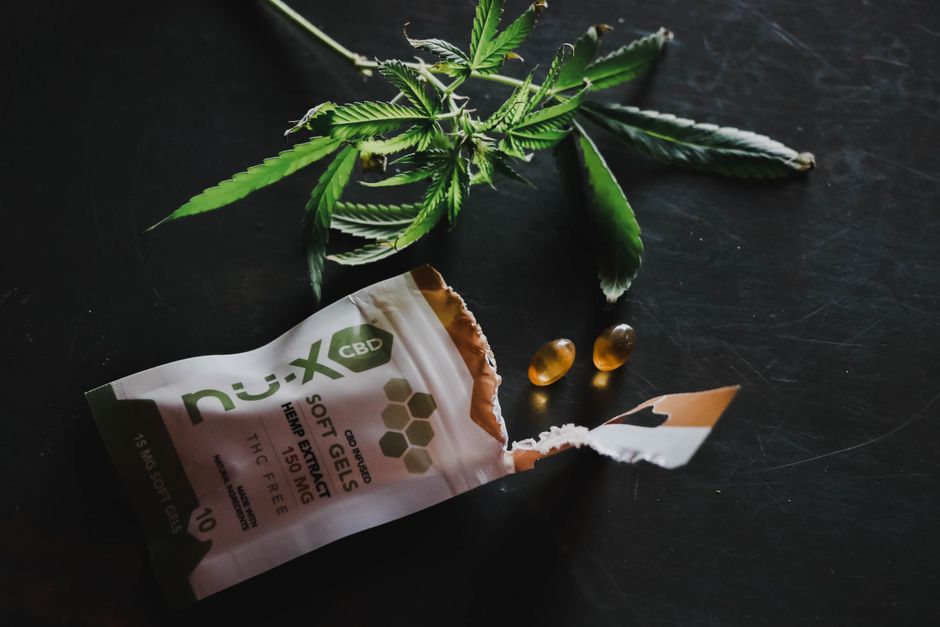
No, hemp oil and CBD oil are not the same thing. Hemp oil usually means hemp seed oil, pressed from the seeds of the hemp plant. CBD oil is made from the flowers, leaves, and stalks, and contains cannabidiol. Hemp seed oil has essentially no CBD. That single fact is the source of most of the confusion, and most of the misleading labels you will see on store shelves.
Both products can legally sit next to each other in a US store. Both may carry a picture of a hemp leaf. But they are different products with different contents, different evidence behind them, and different safety considerations.
Is Hemp Oil The Same As CBD Oil Key Differences?
The core difference is which part of the plant the oil comes from, because that determines what the oil contains.
Hemp seed oil is pressed from seeds. Seeds contain no meaningful cannabinoids, so hemp seed oil is a food oil. It is rich in polyunsaturated fats, including omega-6 linoleic acid and omega-3 alpha-linolenic acid, and it contains vitamin E. Nutritionally it behaves much like other seed oils, with a nutty flavor and a low smoke point that makes it better for dressings than high-heat frying.
CBD oil is extracted from the aerial parts of the plant, meaning flowers, leaves, and stems. The extraction is designed to pull out cannabidiol, a cannabinoid that interacts with the body’s endocannabinoid system. A CBD product may also contain small amounts of other plant compounds, depending on how it is refined.
So the practical answer is simple. If a bottle says “hemp oil” and lists hemp seed oil as the ingredient, you are buying salad oil. If it says CBD and lists cannabidiol with a milligram amount per serving, you are buying a cannabinoid product. The word “hemp” on a label tells you almost nothing on its own.
Why Do Hemp Oil and CBD Oil Get Confused?
The confusion is mostly a labeling problem, and partly a legal one.
Hemp and marijuana are both varieties of the same plant species, Cannabis sativa. In the US, hemp is defined in federal law as cannabis containing no more than 0.3% THC on a dry weight basis. Marijuana refers to cannabis above that threshold. Because CBD can be produced from hemp, companies often use “hemp oil” as a friendly marketing term for a CBD product.
That practice is legal in many cases but genuinely misleading. A shopper looking for CBD can pick up a bottle labeled “hemp oil” that contains no CBD at all. A shopper who wants a cooking oil can pay a premium for a product marketed with cannabis imagery.
Here is a detail worth knowing. Hemp seed oil and CBD oil smell and taste different. Hemp seed oil is mild and nutty. CBD extracts are often grassy, earthy, or bitter, and are frequently flavored to cover it. Taste is not a reliable test, though. The label and the ingredient list are.
What Does the Label Actually Tell You?
The ingredient panel is the only dependable guide. Hemp seed oil will list cold-pressed hemp seed oil, or similar wording, and nothing about cannabidiol. A CBD product should state cannabidiol and give a milligram amount per serving or per bottle.
Watch for these patterns:
- “Hemp seed oil” on the ingredient list means no meaningful CBD.
- “Cannabidiol” or “CBD” with a milligram figure means a cannabinoid product.
- “Full spectrum hemp extract” usually means a CBD product that also contains other plant compounds and trace THC.
- “CBD isolate” means purified cannabidiol with other compounds removed.
- No milligram figure anywhere is a warning sign, because you cannot know what dose you are getting.
One more point on testing. Independent testing has repeatedly found that some CBD products contain less CBD than the label claims, and some contain more THC than allowed. Third-party lab certificates are the main way to check, and not all brands publish them. The FDA has stated that it is not lawful to add CBD to food or to market it as a dietary supplement, though enforcement has been limited and the market remains uneven.


Are the Health Benefits the Same?
No. The evidence base for each is different, and neither is as strong as marketing suggests.
For hemp seed oil, the case is nutritional rather than therapeutic. It is a source of essential fatty acids, and the body cannot make those itself. That is a real nutritional role, but it is not a treatment for any disease. Claims that hemp seed oil reduces inflammation, improves skin, or supports hormones are largely based on its fat composition rather than on clinical trials in people.
For CBD, the strongest evidence is in specific epilepsy syndromes. A purified CBD medicine is approved by the FDA for certain rare, severe childhood seizure disorders, based on controlled trials. That is a genuine, well-documented use, and it involves a prescription product, not a supplement from a shelf.
Beyond epilepsy, the picture is much less clear. Some studies suggest CBD may help with anxiety, sleep, or chronic pain, but the trials are often small, short, and inconsistent in dose and product. The evidence is mixed. No large, long-term trials have confirmed that over-the-counter CBD products reliably treat these conditions.
Biological plausibility is not the same as demonstrated benefit. CBD does interact with the endocannabinoid system, and that interaction is real. Whether a given product at a given dose produces a meaningful clinical effect in a given person is a separate question that the current evidence does not answer well.
How Do the Risks Compare?
Hemp seed oil is a food. For most people it carries the same risks as any seed oil, mainly that it is calorie-dense and contains polyunsaturated fats that oxidize when heated aggressively. People with a known allergy to hemp or related seeds should avoid it.
CBD carries more meaningful considerations. It can interact with how the body processes certain medications, because it affects liver enzymes involved in drug metabolism. That matters for people taking blood thinners, epilepsy drugs, and some others. It can cause drowsiness, diarrhea, and changes in appetite. Liver enzyme elevations have been reported at higher doses.
Some clinicians advise caution with CBD during pregnancy and breastfeeding, and the evidence in those groups is limited. No clinical guidelines currently establish a safe dose of CBD for pregnant women, infants, or children outside of prescription treatment supervised by a physician. The FDA has also warned about CBD products making unproven claims.
None of this means CBD is dangerous for everyone. It means the risk profile is not the same as a bottle of seed oil, and it should not be treated that way.
Which One Should You Buy?
That depends on what you actually want. If you want a nutritious oil for salads or smoothies, hemp seed oil is a reasonable choice, and you should not pay a CBD premium for it. If you want CBD, buy a product that states cannabidiol and its milligram amount, and look for independent lab testing.
If you are considering CBD for a health condition, the honest position is that the evidence is strongest for prescription CBD in specific epilepsy syndromes and weak for most other uses. Talk to a clinician who knows your medications before starting, especially if you take anything that affects the liver or blood clotting.
And if you see “hemp oil” on a label and assume it contains CBD, check the ingredient list before you spend money. That one habit prevents most of the confusion this category creates.
Frequently Asked Questions
Does hemp oil contain CBD?
Hemp seed oil contains essentially no CBD, because the seeds do not produce meaningful cannabinoids. Products labeled “hemp oil” that do contain CBD are usually CBD extracts marketed under a friendlier name.
Can I use hemp seed oil instead of CBD oil?
No, they are not interchangeable, because hemp seed oil has no meaningful CBD content. It is a food oil with nutritional fats, not a cannabinoid product.
Is CBD oil legal in the US?
CBD derived from hemp with no more than 0.3% THC is legal under federal law, though state rules vary. The FDA has stated it is not lawful to add CBD to food or market it as a dietary supplement, and enforcement has been uneven.
What is the difference between full spectrum hemp extract and CBD isolate?
Full spectrum hemp extract contains CBD plus other plant compounds and trace THC, while CBD isolate is purified cannabidiol with those compounds removed. Neither term guarantees the amount of CBD stated on the label.
