
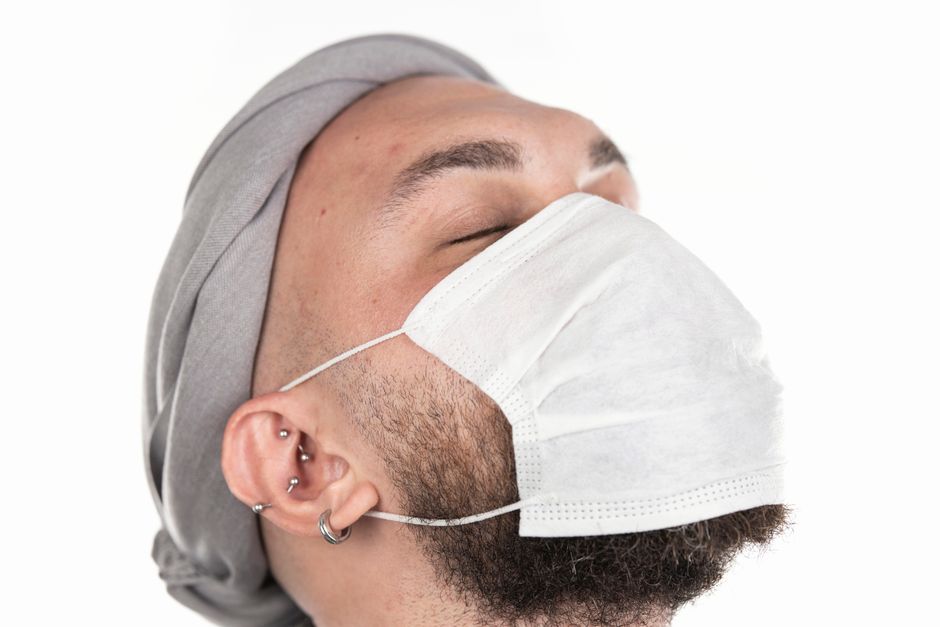
A helix piercing passes through the cartilage along the upper rim of the ear. Any piercing that goes through cartilage carries a higher risk of infection and scarring than one through soft earlobe tissue, mainly because cartilage has less blood flow to deliver immune cells and heal the wound. Most helix piercings heal without lasting problems when they are done with sterile equipment and cared for properly, but the risks are real and worth understanding before you commit.
Is Helix Piercing Dangerous Infection And Scarring?
Infection and scarring are the two most common complications of a helix piercing, and both are more likely in cartilage than in the earlobe. The American Academy of Dermatology and other clinical sources note that cartilage piercings take longer to heal and are more prone to infection than lobe piercings for a straightforward anatomical reason: cartilage is avascular, meaning it has no direct blood supply of its own.
Blood carries the white blood cells and nutrients that fight bacteria and rebuild tissue. In the earlobe, which is fleshy and well supplied with blood vessels, a piercing can heal in about six to eight weeks. In cartilage, the tissue depends on diffusion from the surrounding perichondrium, a thin membrane covering the cartilage. That slower supply line means healing commonly takes several months, and the window for bacteria to take hold stays open longer.
Scarring is a separate concern. Any piercing creates a small wound, and any wound can leave a scar. Cartilage piercings are more prone to forming a raised bump or thickened scar than lobe piercings, though the reasons are not fully understood and likely involve a mix of genetics, trauma, and infection.
How Common Are Infections in Helix Piercings?
Infection is the most frequently reported complication of ear cartilage piercings. Estimates vary widely across studies, and the true rate is hard to pin down because many mild infections are self-treated and never reported to a clinician.
What the clinical literature does show is a consistent pattern: cartilage piercings become infected more often than lobe piercings. One reason is the anatomy described above. Another is that cartilage piercings are harder to keep clean and are more likely to be bumped, slept on, or snagged on clothing and hair during the long healing period.
Most infections that do occur are local and treatable. The bacteria involved are usually common skin organisms, particularly Staphylococcus aureus and, less often, Pseudomonas aeruginosa. Pseudomonas is worth noting because it thrives in moist environments and has been linked to infections from contaminated aftercare solutions, tap water, and poor hand hygiene during cleaning.
Serious infections are uncommon but they do happen. When infection spreads into the cartilage itself, a condition called auricular perichondritis, it can damage the cartilage permanently and, in rare cases, lead to a deformity of the ear. This is why an infection that is spreading, worsening, or not responding to basic care needs medical attention rather than continued home treatment.
What Does an Infected Helix Piercing Look Like?
Distinguishing a normal healing reaction from an infection is one of the hardest parts of caring for a helix piercing, because the two look similar in the early stages.
Some redness, swelling, tenderness, and a small amount of clear or slightly cloudy discharge are expected during healing. This is inflammation, not infection. Inflammation is the body’s normal response to a wound and does not by itself mean bacteria have taken over.
Signs that point more toward infection include:
- Pain or swelling that is getting worse rather than slowly improving
- Skin around the piercing that feels hot to the touch
- Thick, yellow, or green pus with a foul odor
- Redness that spreads beyond the immediate piercing site
- Fever, chills, or a general feeling of being unwell
Fever or spreading redness are signs the infection may be moving beyond the piercing site and warrant prompt medical care. Do not wait to see if these resolve on their own.
One non-obvious point: a raised, red, tender bump next to a healing piercing is often not an infection at all. It may be a granuloma or an irritation bump caused by friction, sleeping on the ear, or a jewelry change made too soon. Irritation bumps and infections can look alike, which is one reason a clinician’s assessment matters when symptoms are unclear or persistent.




What Causes Scarring and Bumps After a Helix Piercing?
Scarring after a helix piercing usually takes one of two forms: a hypertrophic scar or a keloid. These are different, and they behave differently.
A hypertrophic scar is a raised, thickened area that stays within the boundaries of the original wound. It often develops after trauma or infection and may gradually flatten over months. It is the more common of the two.
A keloid is a raised scar that grows beyond the original wound edges and can continue to enlarge over time. Keloids are more common in people with darker skin tones and in those with a family history of keloids. They are also more likely to form on the ear than on many other parts of the body. Keloids generally do not resolve on their own and often require treatment from a dermatologist.
Factors that raise the risk of problematic scarring include:
- A personal or family history of keloids
- Infection at the piercing site
- Repeated trauma from bumping, tugging, or sleeping on the piercing
- Changing jewelry before the piercing has fully healed
- Removing jewelry from an infected piercing, which can trap infection inside
That last point deserves emphasis. Removing the jewelry from an infected piercing can allow the skin to close over the infection, trapping bacteria inside. If a piercing is infected, the general guidance is to see a clinician before removing the jewelry, not to take it out as a first step.
How Can You Reduce the Risk of Infection and Scarring?
The most effective steps to reduce risk happen before and during the piercing, not only afterward. Choosing a reputable piercer who uses sterile, single-use needles and implant-grade jewelry such as titanium or surgical steel is one of the strongest protective factors.
Aftercare matters too. The general clinical direction is to keep the piercing clean and dry, avoid unnecessary touching, and let the wound heal without interference. Specific aftercare routines vary, and there is no single universally agreed protocol. What most clinicians and professional piercing organizations agree on is the following:
- Clean your hands before touching the piercing or the jewelry
- Clean the piercing gently with a sterile saline solution
- Avoid alcohol, hydrogen peroxide, and harsh antiseptics, which can irritate healing tissue
- Do not rotate or twist the jewelry
- Do not change the jewelry until the piercing has fully healed
- Protect the piercing from trauma, including sleeping on it
- Avoid pools, hot tubs, and bodies of water during healing
No clinical guidelines currently specify an exact number of daily cleanings that applies to everyone, and recommendations differ between practitioners. Follow the instructions from your piercer, and ask a clinician if you are unsure.
If you have a history of keloids, talk to a dermatologist before getting a cartilage piercing. This is a risk factor that cannot be managed with aftercare alone.
When Should You See a Doctor?
See a doctor if the infection appears to be spreading or if you develop fever, chills, or a general feeling of illness. These signs suggest the infection is no longer confined to the piercing site.
Other reasons to seek medical care include pain or swelling that is getting worse instead of better, thick or foul-smelling discharge, redness that extends beyond the piercing, or a bump that keeps growing. A clinician can determine whether antibiotics are needed and whether the jewelry should stay in or be removed.
Antibiotics are sometimes prescribed for infected cartilage piercings, but whether they are appropriate depends on how severe the infection is and whether it has spread. This is a decision for a clinician, not something to manage with leftover medication or home remedies.
Do not drain a bump or pus-filled area yourself. Attempting to drain an infection at home can push bacteria deeper into the cartilage and worsen the problem.
How Long Does a Helix Piercing Take to Heal?
Cartilage piercings typically take several months to heal, and some take longer. This is significantly longer than the six to eight weeks common for earlobe piercings, and the difference comes down to the limited blood supply in cartilage.
Healing time varies from person to person and depends on factors like aftercare, jewelry fit, and whether the piercing is repeatedly irritated. During the entire healing period, the piercing remains vulnerable to infection, which is why the full healing timeline matters for aftercare decisions.
A piercing that still looks irritated after many months is not necessarily infected, but it may be a sign of an irritation problem, an ill-fitting piece of jewelry, or a healing issue that a piercer or clinician can help assess. There is no reliable way to speed up cartilage healing, and products marketed for that purpose have not been shown in clinical trials to work.
Frequently Asked Questions
Can a helix piercing cause a serious infection?
Yes, though serious infections are uncommon. If infection spreads into the ear cartilage, it can cause permanent damage, so spreading redness, fever, or worsening pain should be evaluated by a doctor promptly.
How do I know if my helix piercing is infected or just irritated?
Irritation causes redness, swelling, and tenderness that slowly improve, while infection tends to bring worsening pain, heat, thick pus, or fever. Because the two can look similar, a clinician’s assessment is the reliable way to tell them apart.
Will a helix piercing leave a scar if I remove it?
Any piercing can leave a small scar, and cartilage piercings are more prone to raised scars or keloids than lobe piercings. If you have a history of keloids, talk to a dermatologist before getting pierced.
Should I take out an infected helix piercing?
Not on your own as a first step. Removing the jewelry can trap infection inside the ear, so see a clinician first and let them decide whether the jewelry should stay in or come out.
