
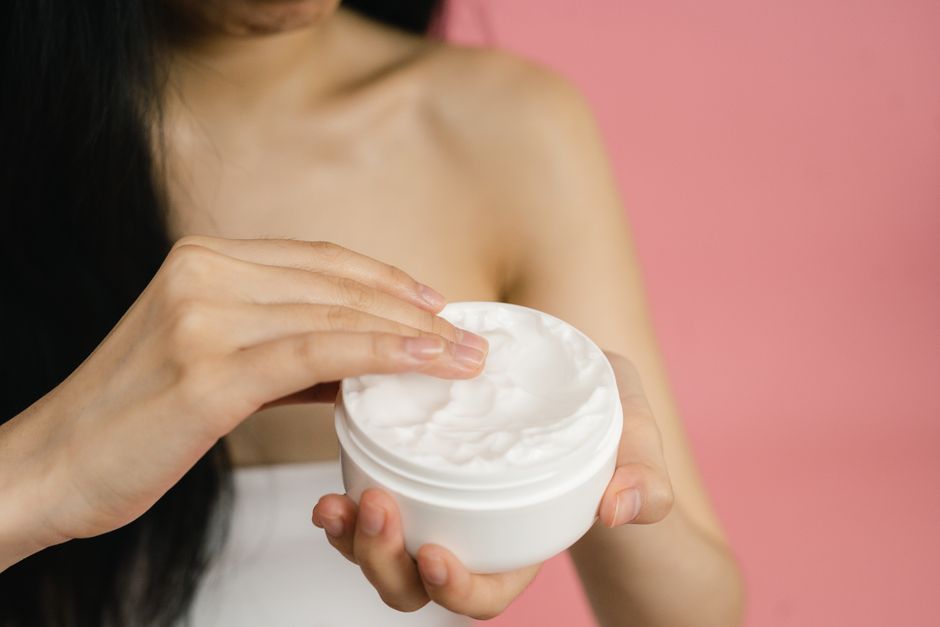
Heavy cream has almost no carbohydrates, which is why it fits so easily into a ketogenic eating pattern. One fluid ounce of heavy whipping cream contains roughly 0.4 grams of carbohydrate, about 1 gram of protein, and around 5 grams of fat. The catch is not the carbs. It is the calories. Heavy cream delivers a large amount of energy in a small volume, so it can quietly push you past your daily calorie needs even while your carb count stays low. That gap between “keto-friendly” and “calorie-friendly” is the trap.
Is Heavy Cream Keto Carbs Fat And The Calorie Trap?
Yes, heavy cream is low in carbs and high in fat, and yes, the calorie density is real. The three facts sit together without contradiction.
Keto describes a macronutrient ratio. It does not describe a calorie limit. A food can be perfectly suited to a low-carb, high-fat diet and still be easy to overconsume. Heavy cream is the clearest example of that in most kitchens.
The carbohydrate content is genuinely minimal. Per USDA data, a single fluid ounce of heavy whipping cream has under half a gram of carbohydrate. Even a generous pour of two or three ounces adds only about 1 gram of carbs. For someone keeping daily carbs under 20 to 50 grams, that is not a meaningful obstacle.
What people miss is the volume-to-calorie relationship. Fat contains about 9 calories per gram, compared with about 4 calories per gram for carbohydrate and protein. Heavy cream is mostly fat and water, so a small amount carries a disproportionate calorie load. A splash in coffee feels trivial. A quarter cup poured over berries, then whipped into a dessert, then stirred into a sauce, adds up fast without ever feeling like a large portion.
How Many Carbs and Calories Are in Heavy Cream?
Heavy cream is defined by its fat content, and that number drives everything else. In the United States, heavy whipping cream must contain at least 36 percent milk fat. Light cream sits around 18 to 30 percent, and half-and-half is roughly 10 to 18 percent. The lower the fat, the more lactose and the more carbs remain in the liquid.
Here is how the common dairy options compare per one fluid ounce, based on USDA reference values.
| Product | Fat (g) | Carbs (g) | Calories |
|---|---|---|---|
| Heavy whipping cream | ~5 | ~0.4 | ~51 |
| Light cream | ~5 | ~0.8 | ~60 |
| Half-and-half | ~3 | ~0.6 | ~39 |
| Whole milk | ~2 | ~1.5 | ~19 |
The pattern is worth noting. As fat goes up, carbs go down and calories go up. That is the trade-off in one line. Choosing heavy cream over milk lowers your carb intake but raises your calorie intake for the same volume.
These are reference values, not exact measurements for every brand. Fat content varies between products, and “heavy cream” and “heavy whipping cream” are sometimes used interchangeably on labels even when the fat percentage differs slightly.
Why Doesn’t Heavy Cream Break Ketosis?
The short answer is that ketosis depends on carbohydrate restriction, not fat avoidance. Fat does not raise blood glucose in any meaningful way, so it does not pull you out of a low-carb state the way sugar or starch would.
When you eat very few carbohydrates, the liver shifts toward producing ketone bodies from fat. Dietary fat supports that process rather than interrupting it. This is the physiological reason heavy cream is considered keto-compatible. It supplies energy without supplying the glucose load that would suppress ketone production.
There is a subtlety here that gets lost. Being in ketosis and being in a calorie deficit are two separate states. You can be in deep ketosis and still gain weight if you eat more calories than you burn. Ketosis is a metabolic state, not a weight-loss guarantee. That distinction is where a lot of confusion about heavy cream comes from.
Some people also find that very high fat intake blunts their appetite less than they expected. Fat is generally satiating, but liquid calories tend to be less filling than solid food. Cream stirred into coffee or blended into a shake may not register the same way a steak or an avocado does.
Is Heavy Cream a Good Choice on Keto?
It depends on what you are using it for and how much you are using. As a low-carb substitute for milk or sugary creamers, it works well. As a food you pour freely because “it’s keto,” it can work against you.
Reasonable uses include:
- Adding a small amount to coffee instead of a sweetened creamer
- Whipping a modest portion as a low-carb dessert topping
- Thickening a sauce or soup where a little goes a long way
- Blending a small amount into a low-carb shake for texture
The common thread is portion control. None of these uses involves drinking cream by the glass or treating it as a free food.
One practical point people overlook: heavy cream is not a source of protein, fiber, vitamins, or minerals in any significant amount. It contributes fat and calories and very little else. If a large share of your daily calories comes from cream, you may be crowding out foods that carry actual nutritional value — eggs, fish, meat, leafy greens, nuts, and low-carb vegetables.
Does Heavy Cream Cause Weight Gain on Keto?
Excess calories cause weight gain, regardless of the macronutrient they come from. This is the part of the keto conversation that gets softened too often.
Fat is not uniquely fattening, and carbohydrates are not uniquely fattening. Body weight changes track energy balance over time for most people, though hormones, medications, medical conditions, and individual metabolism all play a role. A ketogenic diet can make it easier for some people to eat less because fat and protein tend to be filling. That is a real effect for many. But it is not automatic, and it does not override a calorie surplus.
Heavy cream sits in a risky spot because it is calorie-dense and easy to consume without noticing. A few tablespoons here and there can add a few hundred calories to a day. Over weeks, that matters.
The evidence on low-carb and ketogenic diets for weight loss is mixed in the long run. Some studies show comparable weight loss between low-carb and low-fat diets when calories and protein are matched. Other research suggests low-carb approaches may help certain people, particularly those with insulin resistance. What the research does not show is that any single food, including heavy cream, drives weight loss on its own.
What Are Better Ways to Get Fat on Keto?
Whole foods generally give you more nutrition per calorie than cream does. That is not a knock on cream. It is a statement about what else you get in the package.
Options that supply fat along with protein, fiber, or micronutrients include:
- Avocados, which provide fat plus fiber and potassium
- Olive oil, used in cooking or dressings
- Nuts and seeds, which add protein and minerals
- Fatty fish like salmon, which also provide omega-3 fatty acids
- Eggs, which combine fat with high-quality protein
- Full-fat cheese in moderate amounts, which adds protein and calcium
None of these are magic. They are simply more nutrient-dense than cream for the same calories. If your goal is to hit a fat target while still eating well, mixing sources tends to serve you better than leaning on one.
There is also a digestive angle. Some people find that large amounts of heavy cream cause bloating, cramping, or loose stools, particularly if they are sensitive to lactose or have trouble digesting high-fat meals. Lactose intolerance varies widely, and heavy cream contains less lactose than milk but not zero.
Is Heavy Cream Keto Carbs Fat And The Calorie Trap — The Bottom Line
Heavy cream fits a ketogenic diet because it is low in carbs and high in fat. The same properties make it easy to overconsume. The trap is not that cream is secretly full of carbs. The trap is that it is calorie-dense, low in nutrients, and simple to use in amounts that quietly add up.
Used in small amounts as a substitute for higher-carb dairy, it is a reasonable choice. Used as a free food because it is keto-friendly, it can undermine the very goal you are chasing. The macronutrient label and the calorie reality are both true at the same time.
Frequently Asked Questions
How many carbs are in heavy cream?
Heavy whipping cream contains roughly 0.4 grams of carbohydrate per fluid ounce, based on USDA reference values. That is low enough that it fits within most ketogenic carb limits in normal serving sizes.
Can heavy cream kick you out of ketosis?
No, dietary fat does not raise blood glucose enough to interrupt ketosis. Ketosis depends on restricting carbohydrates, and cream supplies very few.
Why does heavy cream cause weight gain on keto?
It is calorie-dense, so small amounts add significant calories that are easy to overlook. Weight gain comes from eating more calories than you burn, not from the cream itself.
Is heavy cream healthier than milk on keto?
It has fewer carbs but more calories per ounce than milk. Whether it is “healthier” depends on your goals, since milk provides more protein and some vitamins that cream lacks.
