
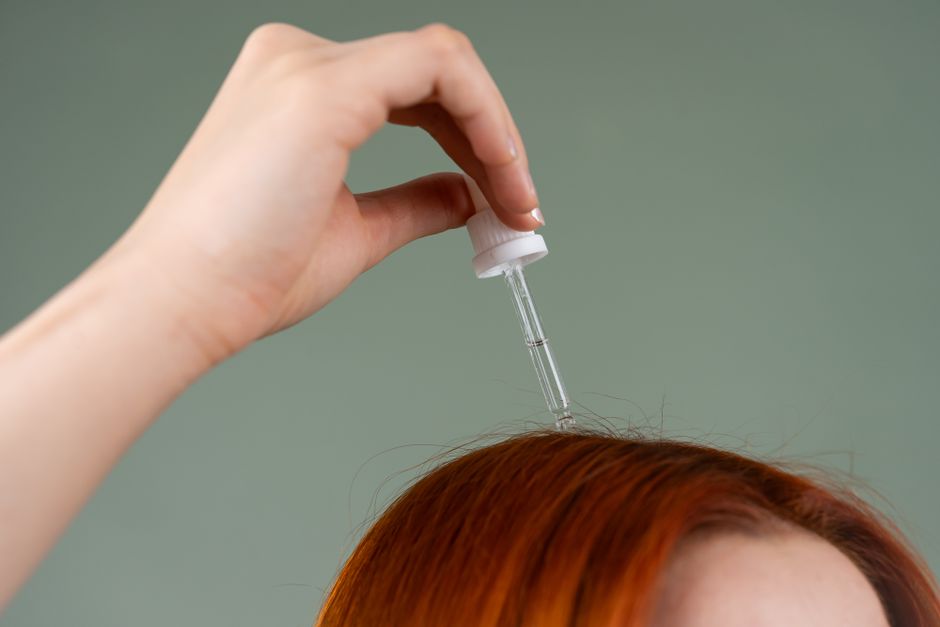
Head & Shoulders is a shampoo brand designed to treat dandruff, not hair loss. The active ingredients, like zinc pyrithione, target the yeast that causes dandruff and flaking. For most people, this shampoo will not regrow hair, but it can prevent hair loss that happens from scratching an irritated, flaky scalp.
Is Head And Shoulders Good For Hair Loss?
The short answer is no — Head & Shoulders is not a treatment for pattern hair loss. It does not contain minoxidil, finasteride, or any other ingredient proven to stimulate hair growth. However, if your hair loss is caused by scalp inflammation or heavy scratching from dandruff, treating the dandruff can reduce breakage and help your hair look fuller.
Hair loss and dandruff are two separate conditions. Dandruff is a scalp condition. Hair loss is usually a hormonal or genetic issue. Using an anti-dandruff shampoo will not stop male or female pattern baldness. It may improve the health of your scalp, which is good for your hair overall, but it will not change the hair growth cycle itself.
What Causes Dandruff And How Does The Shampoo Work?
Dandruff is most often caused by an overgrowth of a yeast called Malassezia that lives on the scalp. The yeast feeds on the natural oils your skin produces. When it multiplies, it irritates the skin and speeds up the shedding of skin cells. Those clumps of dead skin are the flakes you see.
Head & Shoulders works by delivering a fungicide to the scalp. The most common active ingredient is zinc pyrithione. It stops the yeast from multiplying. With less yeast, there is less irritation and fewer flakes. Some formulas use selenium sulfide or ketoconazole, which work in similar ways.
This matters for hair loss in one specific way. An itchy scalp makes people scratch. Scratching can damage hair follicles and break hair shafts. If you scratch enough, you can create small wounds on the scalp. That damage can cause temporary hair thinning. Controlling dandruff stops the itch, which stops the scratching, which protects the hair you already have.
Can Dandruff Itself Cause Hair Loss?
Dandruff alone does not cause permanent hair loss. The yeast does not attack hair follicles directly. But the inflammation from severe dandruff can disrupt the hair growth cycle temporarily. This is called telogen effluvium — a condition where stress on the body pushes hair follicles into a resting phase. After a few months, those hairs fall out.
Severe, untreated dandruff can also lead to seborrheic dermatitis. This is a more intense form of the same condition, with red, greasy skin and thick scales. The inflammation in seborrheic dermatitis is stronger. Some research suggests this inflammation can affect hair growth, though the evidence is not conclusive.
The key point is that this type of hair loss is temporary. Once the scalp inflammation is controlled, hair typically grows back. Head & Shoulders can help control that inflammation. But if you have been losing hair for months or years, or if you have a receding hairline, dandruff is not the cause.





What Type Of Hair Loss Does This Shampoo Not Treat?
Androgenetic alopecia is the medical name for pattern hair loss. In men, it shows as a receding hairline and thinning at the crown. In women, it shows as overall thinning, especially on the top of the scalp. This condition is driven by hormones and genetics. Specifically, a byproduct of testosterone called DHT binds to hair follicles and shrinks them over time.
No shampoo applied to the scalp can stop this process. DHT acts from inside the body. To block it, you need medications that work systemically, like finasteride, or topical treatments that stimulate growth, like minoxidil. Head & Shoulders does neither.
There is also a type of hair loss called telogen effluvium that comes from stress, illness, or rapid weight loss. This is temporary and usually resolves on its own. Shampoo choice does not significantly affect this process. The hair loss stops when the underlying stressor is removed.
Are There Any Ingredients In Head And Shoulders That Help Hair?
Some Head & Shoulders formulas contain ingredients that make hair look better, but not grow faster. Many include moisturizers like coconut oil or shea butter. These coat the hair shaft and reduce frizz. This is a cosmetic effect, not a growth effect.
Zinc pyrithione itself has mild anti-inflammatory properties. Reducing scalp inflammation is beneficial for overall scalp health. A healthy scalp is a better environment for hair growth. But there is no evidence that zinc pyrithione directly stimulates hair follicles.
One study published in the Journal of Cosmetic Dermatology examined the effect of zinc on hair loss. The study found that people with low zinc levels who took zinc supplements saw improvements in hair density. But that was oral supplementation, not a shampoo. And the benefit only appeared in people who were actually deficient. Most people get enough zinc from their diet.
How To Use Head And Shoulders For Best Scalp Health
If you have dandruff, use the shampoo consistently. The yeast is always present on the scalp. It will multiply again if you stop treating it. Most dermatologists recommend using an anti-dandruff shampoo at least twice a week. Some people need it more often.
Leave the shampoo on your scalp for a few minutes before rinsing. This gives the active ingredient time to work. One minute is the minimum. Five minutes is better. If you rinse it off immediately, you are not giving the zinc time to kill the yeast.
Do not use hot water. Hot water strips the scalp of its natural oils and can make irritation worse. Warm water is fine. After washing, use a conditioner to keep the hair itself moisturized. Dandruff shampoos can be drying to the hair shaft.
What Actually Works For Hair Loss?
If you have confirmed that your hair loss is not from scalp irritation, you need treatments that target the actual cause. The two most proven options are minoxidil and finasteride.
Minoxidil, sold under the brand name Rogaine, is a topical foam or liquid applied directly to the scalp. It is available over the counter. It works by widening blood vessels in the scalp and stimulating hair follicles. It takes about four months to see results. It must be used continuously — if you stop, the hair you gained falls out.
Finasteride, sold as Propecia, is a prescription pill. It blocks the enzyme that converts testosterone into DHT. It is approved for men only. Women who are pregnant or may become pregnant should not handle crushed or broken tablets. It also takes several months to show results.
For women, there is also spironolactone, a prescription medication that blocks androgen receptors. It is often used off-label for female pattern hair loss. Low-level laser therapy is another option with some evidence behind it, though results are modest.
Before starting any treatment, see a doctor. Hair loss can be a sign of other medical conditions, including thyroid disease, iron deficiency, or autoimmune disorders. A blood test can rule these out. A dermatologist can also confirm what type of hair loss you have.
When To See A Doctor About Hair Loss
See a doctor if you notice sudden or patchy hair loss. See a doctor if your scalp is painful, red, or oozing. See a doctor if you are losing clumps of hair rather than a few strands in the shower drain.
Sudden hair loss is often a medical issue, not a cosmetic one. It could be a sign of an autoimmune condition like alopecia areata. It could be a fungal infection. It could be a reaction to a medication. These need proper diagnosis and treatment.
Gradual hair loss over years is more likely pattern baldness. It is not a medical emergency, but it is still worth a consultation. Early treatment with minoxidil or finasteride gives the best results. Waiting too long means the follicles may shrink past the point of recovery.
Frequently Asked Questions
Can Head and Shoulders regrow hair?
No. It contains no ingredients proven to stimulate hair growth. It can only prevent hair loss caused by scratching or inflammation from dandruff.
Is dandruff shampoo good for hair loss?
Only if the hair loss is caused by severe scalp irritation. It will not help with pattern baldness or hormonal hair loss.
How often should I wash my hair with Head and Shoulders?
At least twice a week to control dandruff. Some people need it daily if their symptoms are severe. Leave it on for a few minutes before rinsing.
Does Head and Shoulders make hair fall out?
No. If you notice more shedding, it is likely the natural hair cycle catching up, not the shampoo. Some people see extra shedding when switching shampoos because the new formula changes how hair feels and detangles.
