
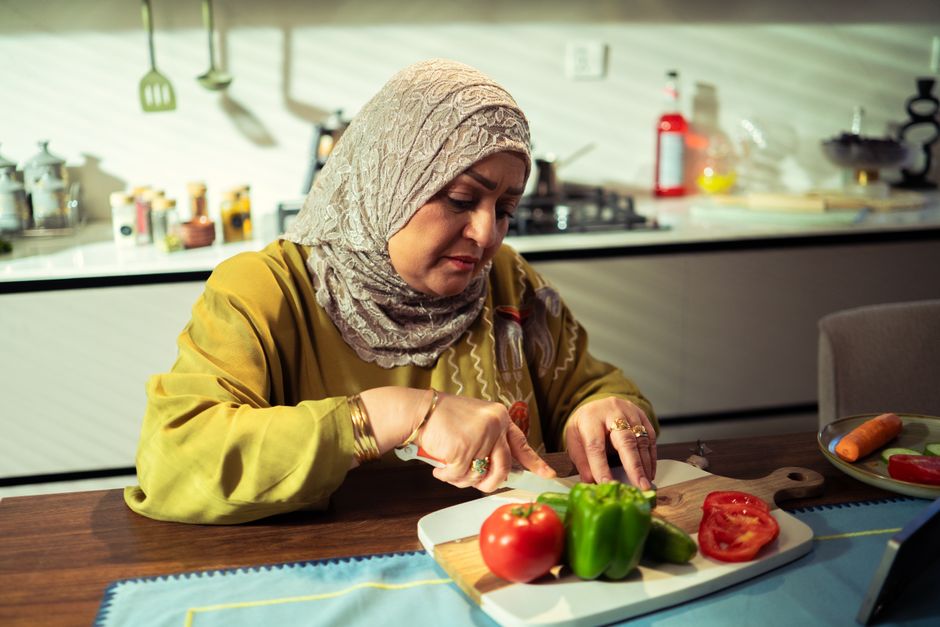
Halal food is not automatically healthier than other food. The word “halal” means permitted under Islamic law, and it describes how a food is prepared and what ingredients it contains — not its nutritional value. A halal-certified meal can be a bowl of lentils or a plate of fried chicken, and both meet the same religious standard. Whether halal food is healthy depends entirely on what the food actually is, not on the label.
What Does Halal Actually Mean?
Halal is an Arabic word meaning “permitted” or “lawful.” In food, it refers to items Muslims are allowed to eat under Islamic dietary rules. The opposite term is haram, meaning forbidden.
The rules cover several areas. Pork and its byproducts are forbidden. Alcohol is forbidden as an ingredient. Meat must come from animals slaughtered according to specific religious requirements, which include a swift cut, a blessing, and complete drainage of blood. Animals must also be healthy at the time of slaughter. Any food can be halal as long as it contains no forbidden ingredients and is prepared according to these rules.
That last point matters for this whole topic. Halal is a permission standard, not a nutrition standard. It tells you what is in the food and how it was handled. It says nothing about calories, fat, sodium, fiber, or vitamins.
Is Halal Food Healthy? What Science Actually Says
The science does not support the idea that halal food is healthier as a category. No large body of research shows that eating halal improves health outcomes compared with eating non-halal food of the same type. The health effects come from the food itself — its ingredients, portion size, and how it is cooked.
What the research does show is that diet quality varies widely within halal eating, just as it does in any cuisine. Some traditional halal dishes are built around vegetables, legumes, whole grains, and lean proteins. Others are heavy on fried foods, refined carbohydrates, and salt. A halal-certified pastry and a halal-certified salad share a religious label and nothing else nutritionally.
There is one area where halal rules have a measurable effect. Because pork is excluded, halal diets avoid a major source of processed meat for people who might otherwise eat it. Processed meats are classified as carcinogenic to humans by the World Health Organization’s cancer agency, based on strong evidence for colorectal cancer risk. That is a real difference in food exposure, though it only matters if the person would otherwise be eating pork products regularly.
Does Halal Slaughter Affect Meat Safety or Nutrition?
Halal slaughter does not make meat more or less nutritious. The method affects how the animal is killed, not the nutrient content of the muscle afterward. Protein, fat, iron, and vitamin content are determined by the animal, its diet, and the cut of meat — not by the slaughter method.
On food safety, the picture is more nuanced. The halal requirement to drain blood fully is sometimes described as making meat safer. The evidence here is limited. Modern commercial slaughter, whether halal or conventional, is regulated for hygiene and inspected for contamination. Bloodborne pathogens are not a typical route of foodborne illness in properly handled meat. Claims that halal meat is meaningfully safer from a microbiological standpoint are not well supported by large comparative studies.
Some research has looked at animal welfare and stress at slaughter, since stress before death can affect meat quality. Results vary by study and by how the process is carried out. This is a debated area, and it is not settled science. What is clear is that the nutritional profile of the meat is essentially the same either way.





Where Halal Food Can Be Healthier — and Where It Is Not
Halal food can be part of a very healthy diet, but the label is not doing the work. The healthiest halal eating looks like healthy eating in any tradition: plenty of vegetables, fruit, legumes, whole grains, nuts, and lean protein, with limited processed foods and added sugar.
Several traditional halal cuisines lean toward plant-forward eating. Lentil dishes, chickpea stews, vegetable curries, grilled fish, and rice with beans are common in many Muslim-majority regions. These fit well within established dietary patterns linked to lower rates of heart disease and type 2 diabetes.
The flip side is just as real. Some halal restaurant and packaged foods are high in saturated fat, sodium, and refined flour. Fried snacks, sweet pastries, and processed halal meats are common. A halal label on a package does not mean the product is low in anything you might want to limit.
Here is a point that often gets missed: halal certification is about ingredients and preparation, and certification bodies do not assess nutrition. A product can carry a halal seal and still be high in sodium or added sugar. The seal answers a religious question, not a health one.
How to Read a Halal Label
A halal label tells you the food meets religious requirements. It does not tell you whether the food is good for you. You still need to read the nutrition facts panel the same way you would for any other product.
Things worth checking on any packaged food, halal or not:
- Sodium. Processed and packaged foods are a major source of dietary sodium. The Dietary Guidelines for Americans recommend limiting sodium to 2,300 mg per day for most adults.
- Added sugars. The same guidelines recommend keeping added sugars under 10% of daily calories.
- Saturated fat. The guidelines recommend limiting saturated fat to less than 10% of daily calories.
- Ingredient list. Shorter lists of recognizable ingredients tend to signal less processing, though this is a rough guide, not a rule.
For whole foods — fresh meat, vegetables, grains, legumes — the halal question and the health question are separate. A halal chicken breast and a conventional chicken breast have essentially the same nutrition. Choose based on how you plan to cook it and what you eat with it.
Is Halal Food Better for Weight or Heart Health?
There is no evidence that halal food leads to weight loss or better heart health on its own. Weight and heart health depend on total diet, activity, sleep, and genetics — not on whether food carries a religious label.
That said, some people who switch to halal eating may end up cooking more at home and eating fewer processed foods, simply because fewer convenience options are available. If that happens, it could improve diet quality, but the benefit comes from the change in eating habits, not the halal status itself. This is an observation about behavior, not a proven health effect of halal food.
For heart health specifically, the established dietary pattern linked to lower cardiovascular risk is one high in vegetables, fruits, whole grains, legumes, nuts, and fish, and low in processed meats, refined grains, and added sugars. Halal food can fit that pattern easily. So can non-halal food. The pattern is what matters.
Does Halal Mean Organic or Clean?
No. Halal and organic are completely separate standards. A food can be halal without being organic, and organic without being halal. Halal certification does not address pesticide use, animal feed quality, antibiotics, or environmental impact.
Some products carry both labels, but each is verified by a different certification process with different criteria. Neither label guarantees the food is low in calories, sodium, or sugar. “Clean eating” is a marketing phrase, not a regulated term, and it does not map onto halal certification in any meaningful way.
Frequently Asked Questions
Is halal food healthier than regular food?
No, halal food is not automatically healthier. Halal describes religious preparation rules, not nutritional content, so the health effects depend on the specific food and how it is cooked.
Does halal meat have less fat or fewer calories?
No, halal meat has essentially the same fat and calorie content as conventional meat from the same animal and cut. The slaughter method does not change the nutrient profile of the meat.
Is halal food safe for people with food allergies?
Halal certification does not guarantee a food is free of allergens. Always read the ingredient and allergen labeling, because halal status and allergen safety are separate concerns.
Can halal food help with weight loss?
There is no evidence that halal food causes weight loss by itself. Weight change depends on overall diet and lifestyle, not on whether food is halal-certified.
