
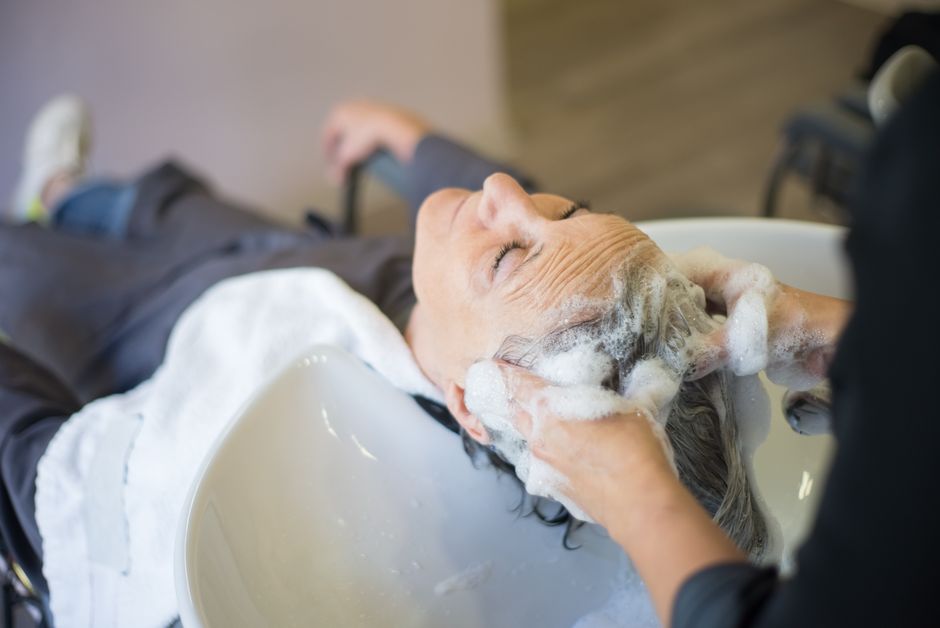
Dry shampoo does not directly cause permanent hair loss. The hair follicle itself is not damaged by the product. However, heavy dry shampoo use can lead to temporary shedding and scalp conditions that, if ignored for a long time, may contribute to more persistent thinning. The key difference is that the product itself is rarely the root cause — it is usually the buildup, inflammation, or neglect that follows.
How Dry Shampoo Can Lead to Hair Shedding
Dry shampoo works by absorbing oil at the scalp. That oil absorption makes hair look fresher between washes. But the product does not clean the scalp. It leaves behind a residue of starch, clay, alcohol, and fragrance.
When residue builds up, it can mix with dead skin cells and natural sebum. This mixture can clog hair follicles. A clogged follicle is not a dead follicle. It is an irritated one. The hair in that follicle may loosen and shed earlier than it should. This type of shedding is usually reversible once the buildup is removed.
Some people also develop a condition called seborrheic dermatitis when the scalp is not washed regularly. This is a form of eczema that causes flaking, redness, and itching. The inflammation from this condition can increase shedding. Again, this is typically temporary.
What the Science Says About Follicle Damage
No large human trials have shown that dry shampoo permanently destroys hair follicles. The active ingredients in most dry shampoos — starches like rice or corn, clays, and alcohols — do not have known properties that would permanently scar or kill a follicle through normal topical use.
Permanent hair loss happens when the follicle itself is destroyed or when it shrinks over time due to hormonal or genetic factors. Androgenetic alopecia, commonly called male or female pattern baldness, is the most common cause of permanent thinning. Dry shampoo does not cause this condition.
What dry shampoo can do is mask an underlying problem. If you are already experiencing early pattern hair loss, the buildup and irritation from dry shampoo may make shedding more noticeable. But the dry shampoo is not the reason the follicle is shrinking.
When Hair Loss From Dry Shampoo Could Become Longer Lasting
There is one scenario where dry shampoo misuse could contribute to longer-term thinning. If the scalp remains inflamed for months without treatment, that inflammation can affect the hair growth cycle.
Normally, a hair follicle cycles through growth, rest, and shedding phases. Prolonged inflammation can push more follicles into the resting phase at the same time. This condition is called telogen effluvium. It causes diffuse shedding across the whole scalp rather than bald patches.
Telogen effluvium is almost always temporary. Hair typically regrows within 6 to 12 months once the trigger is removed. The concern is when someone continues using dry shampoo daily for years without ever washing the scalp properly. The inflammation never fully resolves. In rare, severe cases, chronic inflammation can contribute to scarring alopecia, which is a permanent form of hair loss.
This is uncommon. It requires years of neglect, not occasional use. But it explains why dermatologists advise against using dry shampoo as a permanent replacement for washing.



Signs Your Scalp Is Stressed From Product Buildup
Your scalp will usually give you warning signs before any significant shedding occurs. Recognizing these early can prevent the problem from progressing.
- Itching or burning: A scalp that feels irritated after applying dry shampoo is reacting to the product or the buildup.
- Visible flakes: White or yellowish flakes that appear after using dry shampoo are often product residue mixed with dead skin, not necessarily dandruff.
- Redness: Inflammation at the hairline or along the part line suggests irritation.
- Hair that feels sticky or waxy: This is a sign that product has accumulated and is not being removed.
- Increased shedding in the shower: Losing more hair than usual when you finally wash your hair is common after a long stretch of dry shampoo use.
If you notice these signs, the first step is to stop using dry shampoo and wash your hair with a gentle clarifying shampoo. Most people see improvement within a few weeks.
How to Use Dry Shampoo Without Harming Your Scalp
Dry shampoo is not inherently bad. The problem is how people use it. Most product labels suggest spraying from a distance and brushing it through. Many people spray it directly onto the scalp and leave it there for days.
Dermatologists generally suggest limiting dry shampoo to one or two days between washes. It is a styling aid, not a cleansing product. The scalp needs water and gentle cleansing to remove sweat, oil, and environmental debris.
When applying, spray from about 6 to 8 inches away. Focus on the roots and let the product sit for a minute before brushing it through. This reduces the amount of residue that stays on the scalp.
If you have a sensitive scalp or a history of dermatitis, consider skipping dry shampoo entirely. Some research suggests that certain fragrances and preservatives in these products can trigger contact dermatitis in susceptible individuals.
What to Do if You Notice Increased Shedding
If you have been using dry shampoo heavily and notice more hair in your brush, do not panic. The first step is to clarify your scalp. Wash your hair with a standard shampoo twice in one session to remove buildup. Follow with a lightweight conditioner only on the ends, not the scalp.
Stop using dry shampoo for at least two weeks. Monitor your shedding during this time. If shedding decreases after a proper wash and a break from the product, the issue was likely buildup-related and temporary.
If shedding continues for more than three months, or if you notice bald patches, see a dermatologist. They can determine whether the cause is telogen effluvium, an underlying scalp condition, or genetic hair loss. Blood tests may be needed to check for iron deficiency, thyroid issues, or hormonal imbalances, which are common causes of shedding unrelated to dry shampoo.
Is Hair Loss From Dry Shampoo Permanent?
Hair loss from dry shampoo is not permanent in the vast majority of cases. The product does not damage the follicle in a way that prevents regrowth. The shedding you experience is usually a reaction to buildup, irritation, or inflammation — all of which resolve when the product is stopped and the scalp is properly cleansed.
Permanent hair loss requires follicle destruction or genetic miniaturization. Dry shampoo does not cause either of these. The only realistic path to permanent damage would be years of severe, untreated scalp inflammation, which is rare and preventable.
If you catch the problem early, wash your scalp properly, and give your hair a break from the product, your hair should recover. If shedding persists despite these steps, the cause is likely something other than dry shampoo, and a medical evaluation is warranted.
Frequently Asked Questions
Can dry shampoo cause bald spots?
Dry shampoo alone does not cause bald spots. Bald spots typically indicate alopecia areata or traction alopecia, which have different causes.
How long does it take for hair to grow back after dry shampoo buildup?
Hair usually regrows within 3 to 6 months after the buildup is removed and the scalp inflammation resolves.
Is it okay to use dry shampoo every day?
Daily use is not recommended because it allows residue and oil to accumulate, which can irritate the scalp and increase shedding.
Does washing hair less often cause permanent hair loss?
No, washing less often does not cause permanent hair loss. It can cause temporary shedding from buildup and inflammation, but follicles recover with proper cleansing.
