
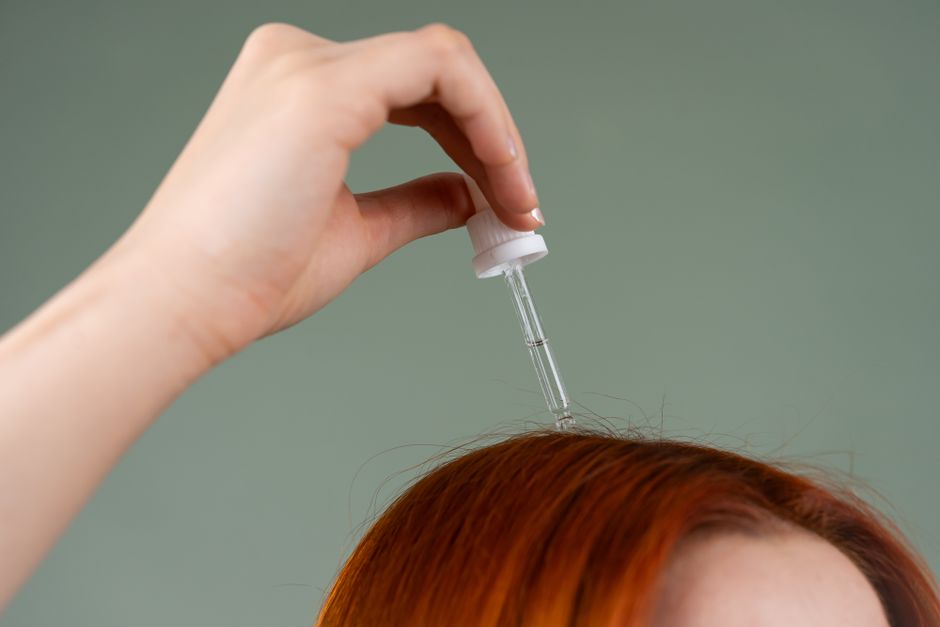
Hair elasticity is the ability of a dry, healthy strand to stretch and then return to its original length without breaking. Good elasticity is a sign that your hair’s cortex — the inner layer that gives hair its strength — is intact. Poor elasticity means the cortex has been damaged, usually by chemical treatments, heat, or repeated wet styling, and that hair is more likely to break.
Is Hair Elasticity Good What It Means For Hair Health
Good elasticity is a positive sign. It tells you the structural protein inside your hair is still doing its job.
Hair is mostly made of keratin, a protein built into long chains. Those chains are held together by chemical bonds. Some are strong. Some are weaker and break when hair gets wet. When hair is wet, it can stretch much more than when it is dry. A healthy wet strand can stretch noticeably before it snaps back. A healthy dry strand stretches less, but it should still have some give.
When elasticity is poor, the strand either snaps quickly or stretches and stays stretched. That second pattern matters. Hair that stretches and does not return has lost the internal bonds that hold its shape. This is not a surface problem. Conditioners and oils sit on the outside of the strand. They can make hair feel softer, but they cannot rebuild bonds inside the cortex.
This is where a lot of hair marketing goes wrong. Products often claim to “repair” damaged hair. No topical product can fully restore broken keratin bonds inside the cortex. Some ingredients can temporarily patch gaps or reduce friction, which makes hair feel better and break less. That is a real benefit. It is not the same as repair.
How Do You Test Hair Elasticity at Home?
The test takes about a minute and needs one clean strand.
Here is a simple method:
- Find a loose strand, ideally one that has shed naturally, so you are not pulling hair out.
- Hold it between your thumbs and forefingers.
- Stretch it gently. Do not yank.
- Release and watch what happens.
If the strand stretches a little and springs back to its original length, elasticity is good. If it snaps almost immediately, elasticity is poor. If it stretches far and stays stretched or looks limp and gummy, that also points to poor elasticity.
One caution: this is a rough check, not a lab measurement. A single strand may not represent your whole head. Hair near the roots is usually less weathered than hair at the ends. If you want a clearer picture, test a few strands from different areas.
Wet hair stretches more than dry hair, so do the test on dry hair for a more consistent result. Dry hair is also more fragile in some ways, so keep the pull gentle.
What Causes Poor Hair Elasticity?
Damage to the cortex is the common thread. Several things cause it.
Chemical treatments are the biggest factor. Hair relaxers, permanent waves, and lightening or bleaching all work by breaking bonds inside the hair so it can be reshaped or lightened. That is how they achieve their effect. The trade-off is that they weaken the cortex. Bleach is especially hard on hair because it has to lift pigment out of the strand.
Heat damages hair when it is used at high temperatures or too often. Flat irons and curling irons can cause what is sometimes called bubble hair — small bubbles forming inside the strand where water has turned to steam. This weakens the cortex from the inside.
Wet styling matters more than many people realize. Hair is more fragile when wet. Brushing or combing wet hair forcefully can stretch and break it. This is a common and underappreciated cause of damage.
Everyday friction adds up over time. Rough towel drying, tight hairstyles, and rubbing against pillows can all wear on the strand. So can sun exposure and chlorine.
Genetics play a role too. Some hair types are naturally more fragile than others. Fine hair has less structural material per strand than coarse hair, so it tends to be more vulnerable to the same amount of damage.
Does Hair Elasticity Change With Age or Hair Type?
Yes to both, and the reasons are mostly structural.
Hair grows from the follicle, and the follicle changes over a lifetime. With age, many people notice their hair becomes thinner and drier. Hair also loses some of its natural oils as we get older, which can make strands feel rougher and less flexible. This does not mean elasticity is doomed. It means the hair you have later in life may be more sensitive to the same stresses.
Hair type matters for a different reason. Curly and coily hair has a different internal structure than straight hair. The bends in the strand create natural weak points. This is one reason curly hair tends to be drier and more prone to breakage at the bends. It is not a flaw. It is just how the structure works.
Porosity is related but not the same thing. Porosity describes how easily hair absorbs and holds water. Elasticity describes how well it stretches and returns. You can have high porosity and still have decent elasticity, or low porosity with poor elasticity. They overlap, but they are separate measures.
What Actually Helps Hair Elasticity?
The honest answer is that you can protect elasticity and reduce further damage. Fully reversing cortex damage is a different matter.
Damage to the cortex is largely permanent because the bonds that break do not simply re-form on their own. Once a strand is badly compromised, the best you can usually do is manage it until it grows out. New hair grows from the follicle, so the healthiest part of your hair is always closest to the root.
What helps:
- Reduce chemical treatments. Fewer rounds of bleach, relaxer, or perm means less bond disruption over time.
- Lower heat and use it less often. When you do use heat, keep the temperature moderate and avoid repeated passes over the same section.
- Be gentle with wet hair. Detangle with a wide-tooth comb or your fingers, starting at the ends and working up.
- Use conditioners and leave-in products. These reduce friction and make hair easier to manage, which means less breakage during handling.
- Trim damaged ends. Split ends can travel up the strand. Trimming does not fix the cortex, but it can stop the damage from spreading.
Some bond-building products are marketed for damaged hair. The evidence for these is limited and mixed. Some users report improvement in how hair feels and handles. Whether they rebuild the specific bonds that determine elasticity is not well established. If you try one, treat it as a cosmetic aid, not a cure.
When Should You See a Professional?
Hair elasticity is a cosmetic concern for most people. It is not a medical condition on its own.
That said, sudden changes in your hair can sometimes signal something else. If your hair is breaking off dramatically, shedding far more than usual, or changing texture quickly, that is worth a conversation with a doctor or dermatologist. Several medical conditions and some medications can affect hair growth and hair quality. So can nutritional deficiencies, though the relationship is more complex than marketing often suggests.
A dermatologist can help tell the difference between ordinary weathering and something that needs medical attention. If you are not sure which you are dealing with, that is a reasonable time to ask.
Frequently Asked Questions
What does good hair elasticity mean?
It means a dry strand can stretch a little and return to its original length without breaking. This usually indicates the cortex, the inner strength layer of the hair, is intact.
Can you improve hair elasticity once it is damaged?
You can reduce further damage and manage the hair you have, but fully rebuilding a damaged cortex is not something current products can do. The most reliable fix is time, as new hair grows in.
Is hair elasticity the same as porosity?
No. Elasticity measures how well hair stretches and returns, while porosity measures how easily hair absorbs and holds water. They are related but separate properties.
Does wet hair stretch more than dry hair?
Yes. Wet hair can stretch noticeably more than dry hair because water breaks some of the weaker bonds inside the strand. This is also why wet hair is more fragile and should be handled gently.
