
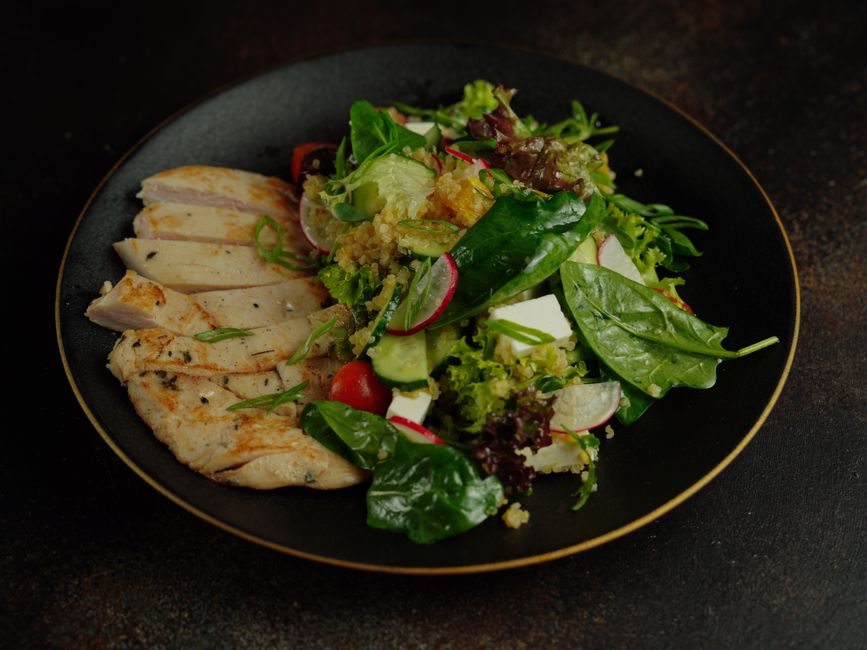
Grilled chicken can be a genuinely healthy choice. It delivers high-quality protein with relatively few calories and little saturated fat, especially when you grill skinless breast meat and avoid charring it. The healthiest version depends less on the chicken itself and more on how you season it, how long you cook it, and what you serve alongside it.
That said, grilling is not automatically better than baking or poaching. The cooking method matters, and so does the cut of meat. A grilled chicken breast and a grilled chicken thigh are nutritionally different foods. So are a plain grilled breast and one slathered in a sugary barbecue sauce or served on a white bun with fries.
What Makes Grilled Chicken a Healthy Protein Source?
Chicken is one of the most protein-dense foods in the average American diet. A skinless, boneless chicken breast provides roughly 26 grams of protein in about 120 calories, according to USDA nutritional data. That ratio is hard to beat.
Protein matters for reasons beyond muscle. It helps you feel full, supports immune function, and provides the building blocks your body uses to repair tissue. For adults between 35 and 65, getting enough protein becomes more important as muscle mass naturally declines with age.
Grilled chicken is also low in saturated fat when you remove the skin. A skinless breast has around 1 gram of saturated fat per serving. Compare that to a skinless thigh, which has more fat overall but still far less saturated fat than most red meat. The American Heart Association has long recommended limiting saturated fat, and poultry fits that guidance well when prepared simply.
Grilling adds one more advantage: it lets fat drip away from the meat rather than pooling around it. That is a real difference from pan-frying, where the chicken sits in its own rendered fat.
Is Grilled Chicken Healthier Than Fried or Baked Chicken?
Grilled chicken is generally healthier than fried chicken, and roughly comparable to baked chicken. The biggest difference comes down to added fat and breading.
Fried chicken is typically coated in flour or batter and cooked in oil. That coating absorbs fat and adds calories. A fried chicken breast can carry two to three times the calories of a grilled one, depending on the breading and oil. The saturated fat content also climbs significantly.
Baked chicken, when prepared without heavy oil or creamy sauces, lands close to grilled in both calories and fat. The main nutritional difference between grilled and baked is minor. Both are reasonable choices.
One point worth clarifying: grilling does not magically remove fat from the meat. It allows some fat to drip off the surface, but the fat inside the muscle stays. The health advantage of grilled chicken over fried chicken comes mostly from what is not added, not from what is removed.
Does Grilling Chicken Create Harmful Compounds?
Yes. High-heat grilling can produce two compounds of concern: heterocyclic amines (HCAs) and polycyclic aromatic hydrocarbons (PAHs). Both have been linked to cancer risk in animal studies and are classified as probable human carcinogens by the International Agency for Research on Cancer.
HCAs form when muscle meat is cooked at high temperatures, especially over open flame or a hot grate. PAHs form when fat drips onto the heat source and creates smoke, which then deposits on the meat surface. Charred, blackened areas tend to contain the highest concentrations.
This does not mean grilled chicken causes cancer. The evidence linking these compounds to cancer in humans comes largely from epidemiological studies, which can show associations but cannot prove cause and effect. The honest position is that reducing charring is a reasonable precaution, not an urgent health mandate.
Practical steps that may reduce HCA and PAH formation include:
- Trim visible fat before grilling to reduce flare-ups and smoke
- Flip the chicken more often rather than leaving it on one side
- Avoid cooking directly over an open flame when possible
- Remove blackened or heavily charred portions before eating
- Marinating before grilling, which some research suggests may reduce HCA formation
Marinating is worth a closer look. Some studies have found that acidic marinades, including those with lemon juice or vinegar, can reduce HCA formation by a meaningful amount. The mechanism is not fully understood, but the finding has been replicated in several lab studies. It is not a guarantee, but it is a low-cost step.
What About Sodium and Added Ingredients?
The chicken itself is naturally low in sodium. A plain skinless breast has around 60 to 70 milligrams of sodium per serving. The problem is what gets added.
Many store-bought grilled chicken products, including those sold at delis and in frozen meals, are injected with saltwater solutions or seasoned with high-sodium rubs. Some marinades contain more than 500 milligrams of sodium per serving. That can turn a low-sodium food into a high-sodium one quickly.
If you are watching your blood pressure, check the label on any pre-seasoned or pre-cooked grilled chicken. The USDA defines a food as “low sodium” if it has 140 milligrams or less per serving. Many packaged grilled chicken products exceed that.
Barbecue sauce is another common culprit. A typical two-tablespoon serving can contain 10 to 15 grams of sugar and several hundred milligrams of sodium. That does not make grilled chicken unhealthy, but it changes the nutritional picture considerably.
How Does Grilled Chicken Compare to Other Proteins?
Grilled chicken compares favorably to most other common protein sources when prepared without added fat or sugar. The table below shows approximate values for a 3-ounce cooked serving, based on USDA data.
| Protein (3 oz cooked) | Calories | Protein | Saturated Fat |
|---|---|---|---|
| Grilled chicken breast, skinless | ~120 | ~26 g | ~1 g |
| Grilled chicken thigh, skinless | ~150 | ~22 g | ~2.5 g |
| Baked salmon | ~175 | ~22 g | ~2 g |
| Lean beef (sirloin) | ~180 | ~25 g | ~4 g |
| Fried chicken breast | ~300+ | ~25 g | ~5 g or more |
Salmon offers more omega-3 fatty acids, which chicken does not provide in meaningful amounts. Lean beef offers more iron and zinc. Grilled chicken sits in a useful middle ground: high protein, low saturated fat, and versatile enough to fit most eating patterns.
Is Grilled Chicken Healthy for Weight Management?
Grilled chicken can support weight management because it is high in protein and relatively low in calories. Protein takes longer to digest than carbohydrates and can help reduce appetite between meals.
Some research suggests that higher-protein diets may help preserve lean muscle during weight loss. That matters because muscle loss during dieting can slow metabolism over time. Grilled chicken is a practical way to hit protein targets without adding excess calories.
The caveat is portion size and preparation. A grilled chicken breast on a salad with olive oil and vegetables is a very different meal from a grilled chicken sandwich with mayo, cheese, and a large bun. The chicken is the same. The meal is not.
How Should You Grill Chicken to Keep It Healthy?
Start with skinless breast or thigh. Trim visible fat. Use a marinade with lemon juice, vinegar, or yogurt rather than a sugary sauce. Cook over medium heat rather than high flame. Flip often. Pull the chicken off the grill when it reaches a safe internal temperature of 165°F, which is the USDA recommended minimum for poultry. Do not wait for it to char.
Let it rest for a few minutes before slicing. Serve it with vegetables, whole grains, or beans rather than white bread or fries. These choices matter more than the grill itself.
Does Grilled Chicken Fit Into Most Diets?
Grilled chicken fits into most eating patterns, including low-carb, high-protein, Mediterranean-style, and heart-healthy diets. It is naturally gluten-free and dairy-free, which makes it useful for people with those restrictions.
People with kidney disease may need to limit protein intake, and grilled chicken would count toward that total. Anyone following a specific medical diet should discuss protein targets with their clinician rather than relying on general guidance.
For most adults, grilled chicken is a reliable, flexible protein that supports muscle maintenance, satiety, and overall nutrition. The healthiest version is simple: skinless, lightly seasoned, cooked without charring, and paired with foods that add fiber and micronutrients.
Frequently Asked Questions
Is grilled chicken healthier than baked chicken?
They are roughly equivalent when both are prepared without added fat or sugary sauces. Grilled chicken may have slightly less fat if some drips away during cooking, but the difference is small.
Is it bad to eat grilled chicken every day?
No, eating grilled chicken daily is not inherently harmful for most people. Variety matters for getting a full range of nutrients, so rotating in fish, beans, and other proteins is a reasonable approach.
Does grilling chicken remove nutrients?
Grilling causes some loss of B vitamins and moisture, but the protein content remains largely intact. The nutritional losses are modest compared to the benefits of eating a high-protein, low-saturated-fat food.
Is burnt grilled chicken dangerous?
Heavily charred meat contains higher levels of HCAs and PAHs, which are classified as probable human carcinogens. Occasional charring is unlikely to cause harm, but trimming off blackened portions is a sensible habit.
