
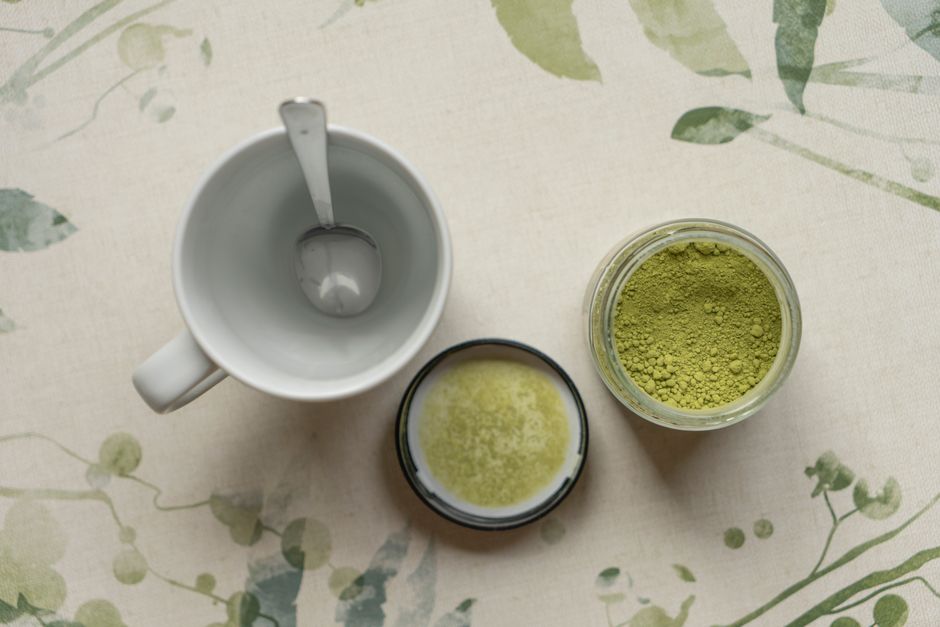
Matcha is green tea, but not the kind you steep and toss away. It is the same plant, Camellia sinensis, grown under shade, ground into a fine powder, and then whisked into water and consumed whole. That last detail matters more than the marketing suggests. Because you drink the leaf rather than just its infusion, matcha delivers a more concentrated dose of the plant’s compounds than a standard cup of green tea — including caffeine and a group of antioxidants called catechins.
That is the short answer. The longer answer is that “matcha” describes a processing method and a plant, not a specific health outcome. Many of the health claims attached to matcha are borrowed from research on green tea in general, and some of that research is stronger than others. This article separates what the evidence supports from what is mostly marketing.
What Exactly Is Matcha and How Is It Made?
Matcha is a powdered green tea made from the shade-grown leaves of the tea plant. The shading is the defining step. Weeks before harvest, farmers cover the plants to limit sunlight. This slows growth and shifts the leaf chemistry — boosting chlorophyll (which gives matcha its vivid green color) and changing the mix of amino acids and catechins.
After harvest, the leaves are steamed, dried, and stripped of stems and veins. The remaining leaf material is called tencha. It is then stone-ground into the fine powder we call matcha. Because the powder is whisked into liquid and swallowed, you consume the entire leaf — unlike loose-leaf or bagged green tea, where the leaves are discarded after steeping.
That difference in how it is consumed is the main reason matcha and steeped green tea are not nutritionally identical, even though they come from the same plant. More on that below.
Is Green Tea Matcha Nutritionally Different From Regular Green Tea?
Yes, and the difference is mostly about concentration. Because you ingest the whole leaf, a serving of matcha generally delivers more caffeine and more catechins than the same volume of steeped green tea. The exact amounts vary widely by product, leaf quality, and how much powder you use, so precise figures are hard to pin down.
The most studied catechin in green tea is EGCG (epigallocatechin gallate). Matcha contains EGCG, and because the whole leaf is consumed, the amount per cup tends to run higher than a brewed cup. But “tends to” is doing real work in that sentence — the range across commercial matcha products is large.
| Feature | Matcha | Steeped green tea |
|---|---|---|
| What you consume | Whole ground leaf | Water infusion only |
| Caffeine (typical) | Generally higher per serving | Generally lower per serving |
| Catechins (EGCG) | Generally higher | Generally lower |
| Preparation | Whisked powder, consumed whole | Leaves steeped and removed |
One point worth clarifying: matcha is not a different plant from green tea, and it is not a “superfood” with properties ordinary green tea lacks. It is a concentrated form of the same thing.
Does Matcha Actually Contain Caffeine?
Yes. Matcha contains caffeine, and a typical serving can deliver a meaningful amount — often in the range of a cup of coffee, depending on how much powder is used. People who are sensitive to caffeine should treat matcha as they would coffee, not as a caffeine-free herbal tea.
Matcha also contains L-theanine, an amino acid found in tea leaves. L-theanine is often claimed to smooth out caffeine’s jittery edge. Some small studies suggest L-theanine and caffeine together may affect attention differently than caffeine alone, but the evidence is not strong enough to promise a specific “calm focus” effect. The claim is plausible and widely repeated; it is not firmly established.
Practical takeaway: if you avoid caffeine for medical reasons, in pregnancy, or because it disrupts your sleep, matcha is not a free pass. It is a caffeinated beverage.
What Does the Evidence Say About Matcha and Health?
Most health claims about matcha rest on research into green tea broadly, not matcha specifically. That distinction matters. Green tea has been studied extensively; matcha as a distinct product has far less dedicated research.
For green tea in general, the evidence is mixed across outcomes:
- Antioxidant activity: Green tea contains catechins with antioxidant properties in the lab. Whether that translates into meaningful health benefits in the human body is less clear.
- Heart health: Some observational studies have linked regular green tea drinking to favorable cardiovascular markers. Observational data shows association, not cause and effect.
- Weight and metabolism: Green tea extracts have been studied for modest effects on metabolism. Results are inconsistent, and effects, where seen, tend to be small.
- Cognitive function: Some studies suggest associations between tea consumption and cognitive measures. The evidence is not strong enough to recommend matcha to protect memory or prevent decline.
No large, high-quality human trials have confirmed that drinking matcha produces specific disease-prevention outcomes. Anyone telling you matcha “prevents cancer” or “burns fat” is going beyond what the evidence shows. Green tea consumption has been studied in relation to cancer risk, but findings are inconsistent, and no health agency recommends matcha as a cancer-prevention measure.
Is Drinking Matcha Safe? What Are the Risks?
For most healthy adults, drinking matcha in normal amounts is considered safe. The main considerations are caffeine and, in concentrated supplement form, liver-related concerns with high-dose green tea extracts.
Those are two different things. Drinking brewed or whisked green tea is not the same as taking concentrated green tea extract capsules. Some regulatory agencies have flagged rare cases of liver injury associated with high-dose green tea extract supplements, not with drinking tea. If you take a green tea or matcha supplement, that is a different risk profile from a cup of tea.
Other points to keep in mind:
- Caffeine sensitivity: Matcha can cause jitters, upset stomach, or sleep disruption in sensitive people, especially later in the day.
- Iron absorption: Tea compounds can reduce iron absorption from plant sources when drunk with meals. People with iron deficiency may want to drink tea between meals rather than with iron-rich foods.
- Pregnancy and breastfeeding: Caffeine limits apply. Follow established guidance from your clinician on caffeine intake during pregnancy rather than assuming tea is exempt.
- Lead and contaminants: Tea plants can take up trace metals from soil, and because matcha is the whole leaf, some testing has found measurable lead in certain products. Levels vary by origin and brand. This is a reason to choose reputable sources, not a reason to avoid tea entirely.
How Should You Choose and Prepare Matcha?
Quality varies enormously, and so does what you actually get in the cup. Color is one practical signal — genuine matcha is bright, vivid green, while dull or yellowish powder suggests older or lower-grade leaf. Origin and grading labels help, though “ceremonial grade” is a marketing term without a universal standard.
Preparation is simple: whisk a small amount of powder into hot — not boiling — water. Boiling water can make matcha taste bitter. Many people use roughly half a teaspoon to a teaspoon per cup, but there is no official serving standard, so adjust to taste and to your caffeine tolerance.
Be skeptical of matcha-flavored products. “Matcha” lattes and snacks often contain mostly sugar with little actual tea powder. If the health benefits are your reason for buying, check that real matcha powder is high on the ingredient list — not just matcha flavoring.
Frequently Asked Questions
Is matcha the same as green tea?
Yes, matcha is a type of green tea made from shade-grown leaves ground into powder. The key difference is that you consume the whole leaf, so it delivers more caffeine and catechins per serving than steeped green tea.
Does matcha have more caffeine than coffee?
It can be comparable, depending on how much powder you use, but it is usually not higher than a standard cup of coffee. Matcha is a caffeinated drink and should be treated as such.
Is matcha good for weight loss?
No clinical evidence confirms that matcha causes meaningful weight loss. Some studies of green tea suggest small effects on metabolism, but results are inconsistent and the effects, where seen, are modest.
Can you drink matcha every day?
For most healthy adults, daily matcha in normal amounts is considered safe. Watch your total caffeine intake and avoid drinking it with iron-rich meals if you are prone to iron deficiency.
