
Green poop can be alarming when you first notice it. Most people assume the worst. But the truth is that green stool is usually harmless and temporary. It often comes down to something you ate, a supplement you took, or a simple change in how fast food moves through your digestive system. In most cases, you do not need to do anything about it. The color will return to normal on its own within a day or two.
Is Green Poop Normal?
Yes, green poop is normal in most cases. Stool color comes largely from bile, a green fluid your liver produces to help digest fats. As bile travels through your intestines, bacteria change its color from green to brown. If that process happens too quickly, the bile does not have time to turn brown. The result is green stool.
This can happen with diarrhea, food poisoning, or any condition that speeds up digestion. It can also happen from eating certain foods or taking specific supplements. Green poop is rarely a sign of a serious medical problem. But there are a few situations where it deserves attention.
What Foods Cause Green Stool?
Diet is the most common cause of green poop. Leafy green vegetables are the usual culprit. Spinach, kale, broccoli, and parsley contain chlorophyll, the pigment that makes plants green. When you eat a lot of these foods, some of that green pigment can pass through undigested and color your stool.
Other foods can do this too. Green gelatin, green frosting, and drinks with green food coloring can all change stool color. Blue foods can also cause green stool because blue and yellow bile mix together. Blueberries, grape juice, and dark sodas with blue dyes are common examples.
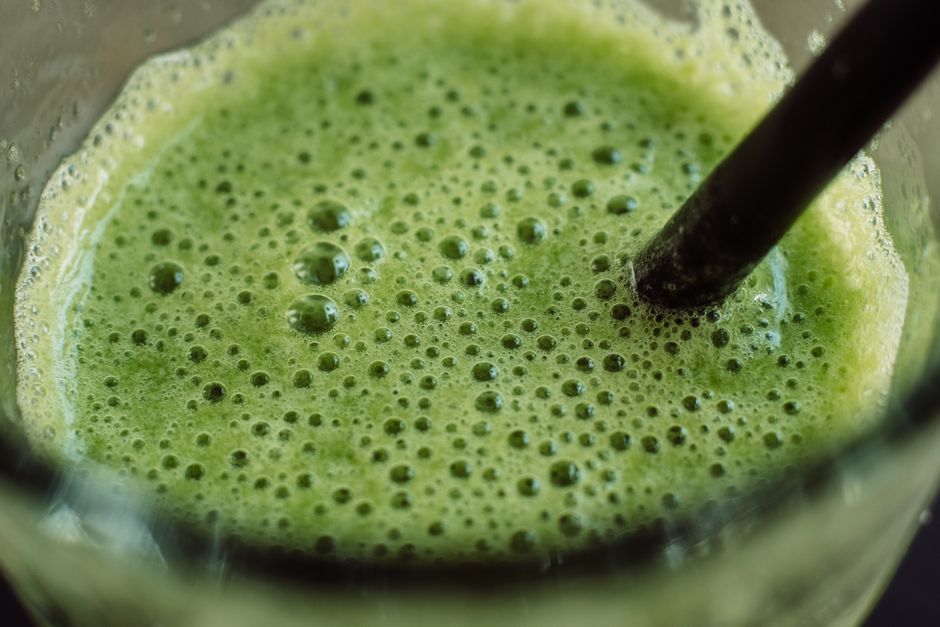
Some research suggests that eating large amounts of spirulina, wheatgrass, or chlorella can also cause green stool. These are concentrated sources of chlorophyll. If you recently added a green superfood powder to your routine, that is likely the explanation.
Can Supplements and Medications Turn Stool Green?
Iron supplements are a well-known cause of green or dark stool. Iron that your body does not absorb can remain in the digestive tract and change stool color. This is harmless, though it can be surprising.
Some laxatives contain senna, a natural stimulant that can produce greenish stool. This is because senna speeds up bowel transit time. The faster food moves through your system, the less time bile has to turn brown.
Antibiotics can also cause green stool. They change the balance of bacteria in your gut. Since gut bacteria are responsible for converting bile from green to brown, a disrupted microbiome can leave stool looking green. This usually resolves once you finish the course of antibiotics.
Certain medications for diarrhea contain bismuth subsalicylate, the active ingredient in products like Pepto-Bismol. These can turn stool black or sometimes greenish. This is a known and harmless side effect.





What Does Green Poop Mean for Your Digestive Health?
Green stool often points to rapid transit time. This means food is moving through your digestive system faster than usual. When this happens, bile does not get enough time to be broken down by gut bacteria. The green color is simply unprocessed bile.
Diarrhea is the most common trigger for this. Viral gastroenteritis, food poisoning, or even a mild stomach bug can speed up digestion. Once the diarrhea resolves, stool color usually returns to normal.
There are also medical conditions that can cause green stool. Conditions that affect bile production or absorption can change stool color. Gallbladder disease, liver disorders, and pancreatic issues can all influence digestion. But these conditions typically come with other symptoms like abdominal pain, jaundice, or unexplained weight loss.
People who have had their gallbladder removed may notice green stool more often. Without a gallbladder, bile drips continuously into the intestine rather than being released in response to meals. This can change stool color and consistency. It is not dangerous, but it is worth mentioning to your doctor if it becomes frequent.
When Should You Worry About Green Poop?
Green poop alone is rarely a reason to see a doctor. But you should not ignore it if other symptoms are present. Blood in the stool, severe abdominal pain, persistent vomiting, or fever warrant medical attention.
Blood can sometimes appear green when it mixes with bile. This is why green stool with a tarry or black appearance deserves investigation. Dark green or black stool can indicate bleeding in the upper digestive tract. If you are not taking iron supplements or bismuth medications, this should be evaluated.
Pay attention to how long the green color lasts. If it persists for more than a few days without an obvious dietary cause, contact your healthcare provider. This is especially important if you also have diarrhea, weight loss, or changes in appetite.
For infants, green stool is common and usually harmless. Formula-fed babies often have greenish stool. Breastfed babies may have green stool if the mother eats a lot of green vegetables or if the baby is teething. However, green stool in a newborn, especially with fever or poor feeding, should be checked by a pediatrician.
How to Get Stool Color Back to Normal
If you know the cause, the fix is simple. Stop eating the food or taking the supplement that triggered the color change. Stool color typically returns to normal within one to two days.
If diarrhea is the cause, focus on hydration. Drink plenty of water and consider an oral rehydration solution. Avoid dairy, fatty foods, and high-sugar drinks until diarrhea resolves. These can make diarrhea worse and prolong the green color.
If antibiotics are the cause, there is nothing you need to do. The color will return to normal once your gut bacteria recover. Eating yogurt or fermented foods may help restore healthy bacteria, though the evidence for this is mixed.
Do not take anti-diarrheal medication unless a doctor recommends it. If you have an infection, stopping diarrhea too quickly can trap bacteria in your system. Let your body clear the infection naturally.
Frequently Asked Questions
Can stress cause green poop?
Stress can speed up digestion, which can lead to green stool. This happens because food moves through your system too quickly for bile to turn brown.
Is green poop a sign of infection?
Green poop can accompany infections that cause diarrhea, like viral gastroenteritis. The green color comes from rapid transit time, not the infection itself.
Does green poop mean you have a liver problem?
Not usually. Liver problems typically cause pale, clay-colored stool, not green stool. Green stool is more often related to diet or fast digestion.
How long does green poop last?
Green poop usually lasts one to two days. If it persists longer than a few days without an obvious cause, contact your healthcare provider.
