
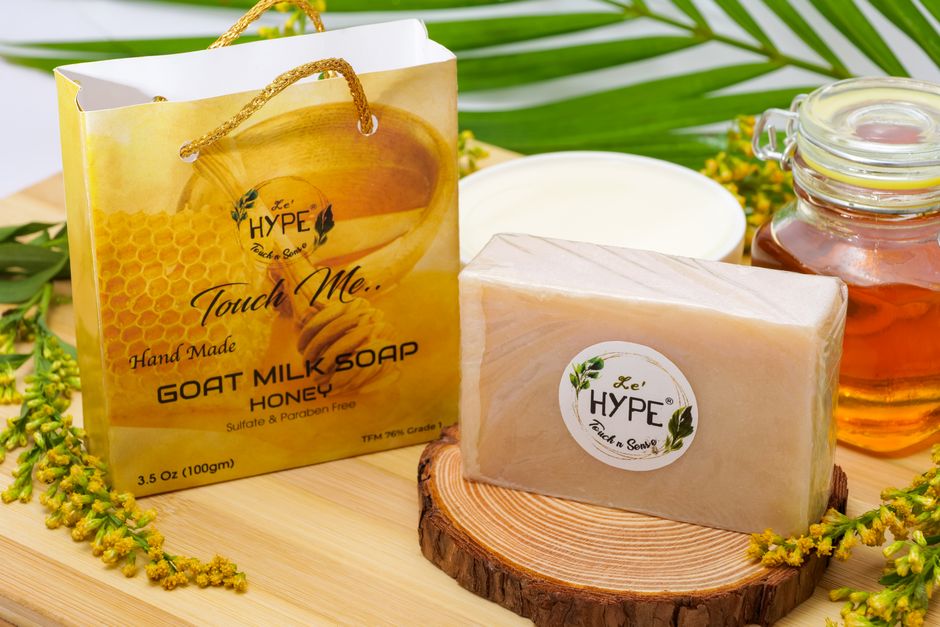
Goat milk soap is a real soap made from goat milk fat, and it can be a reasonable choice for some people with dry or sensitive skin. But it is still soap, and soap is alkaline. That matters more for your skin than the animal it came from. The honest answer is that goat milk soap is not a treatment for eczema, acne, or any skin condition, and most of the dramatic claims made about it are not supported by clinical research.
Is Goat Milk Soap Good For Your Skin?
For most people, goat milk soap is fine to use. It cleans skin, it rinses off, and many users find it less drying than harsh bar soaps. That is a fair, modest description of what it does.
What it is not is a skin treatment. There is no strong clinical evidence that goat milk soap improves eczema, psoriasis, acne, or rosacea. No large human trials have confirmed the specific skin benefits often claimed in marketing. If a brand tells you goat milk soap will heal a rash or clear acne, that claim is not backed by research.
The reason goat milk soap often feels gentler comes down to how it is made, not to anything medicinal in the milk. Goat milk soaps are frequently made using a cold-process method that leaves some natural glycerin in the bar. Glycerin is a humectant, meaning it draws water toward the skin. Many mass-produced bar soaps strip glycerin out and sell it separately. That difference in glycerin content, more than the goat milk itself, likely explains why some people find goat milk soap less drying.
So the product can be pleasant. The evidence for special skin benefits is thin. Both things are true.
What Is Actually in Goat Milk Soap?
Real goat milk soap is made through saponification. That is the chemical reaction between a fat or oil and lye (sodium hydroxide), which produces soap and glycerin. In goat milk soap, goat milk is used as part of the liquid, and it contributes fat, protein, and naturally occurring lactic acid to the mix.
The finished bar is still soap. That word has a specific meaning in chemistry, and it matters for skin.
Goat milk does contain lactic acid, a well-known exfoliating and humectant ingredient in skincare. The catch is that in a finished bar of soap, the lactic acid is present in very small amounts, and it is not in the free form used in skincare products. Lye reacts with acids during saponification. Whatever lactic acid remains is not doing the job it does in a lactic acid serum.
This is the part most marketing skips. An ingredient being present is not the same as that ingredient being present in an effective amount or an active form. You cannot compare the lactic acid in a soap bar to a leave-on exfoliating product and expect the same result.
Some goat milk soaps also contain added fragrance, essential oils, or preservatives. Those additives, not the goat milk, are often what irritates sensitive skin.
Why Does Soap pH Matter for Skin?
Healthy skin is slightly acidic. The surface of your skin sits at a pH around 4.5 to 5.5. This acidity is part of the skin barrier. It helps control the bacteria that live on your skin and supports the enzymes that maintain the outer layer.
True soap, including goat milk soap, is alkaline. Most bar soaps have a pH between roughly 9 and 10. When you wash with soap, you temporarily raise the pH of your skin. Healthy skin usually recovers on its own within a short time.
For people with a damaged or sensitive skin barrier, that pH shift can matter more. Repeated exposure to alkaline cleansers can disrupt the skin barrier and lead to dryness, tightness, and irritation. This is why dermatologists often steer people with eczema or very dry skin toward syndets — synthetic detergents formulated at a skin-friendly pH — rather than traditional soap.
Goat milk soap does not escape this. It is soap, so it is alkaline. The goat milk does not change the fundamental chemistry of the bar.
Is Goat Milk Soap Better Than Regular Soap?
Not in any way that has been proven in clinical studies. The comparison is often framed as goat milk soap versus harsh commercial soap, which is not a fair fight. A better comparison is goat milk soap versus a gentle, pH-balanced cleanser.
Here is where the evidence sits:
- Some people report that goat milk soap feels less drying than standard bar soap. This is plausible given the glycerin content, but it is based on user experience, not controlled trials.
- There is no clinical evidence that goat milk soap outperforms other gentle cleansers for dry skin, eczema, or sensitive skin.
- There is no clinical evidence that goat milk soap treats acne. In fact, alkaline soap can disrupt the skin barrier, and a disrupted barrier is not helpful for acne-prone skin.
- Claims about vitamins, minerals, or “nourishing” proteins in goat milk are not supported by evidence that these survive saponification in a useful form.
If your skin is normal and you like how goat milk soap feels, there is no strong reason to stop. If your skin is reactive, dry, or prone to eczema, a fragrance-free, pH-balanced cleanser is the better-supported choice.
Who Should Be Careful With Goat Milk Soap?
People with eczema, psoriasis, or a compromised skin barrier should be cautious. Alkaline soap can worsen irritation in these conditions, and the added fragrances or essential oils in many goat milk soaps are common triggers.
People with a milk allergy should also pay attention. A true milk allergy is an immune reaction to milk proteins. Goat milk contains proteins that can cross-react with cow milk proteins in some people. Whether a finished bar of soap contains enough intact protein to trigger a reaction is not well established, and the risk is generally considered low for a rinse-off product. But if you have a confirmed milk allergy, it is reasonable to be careful, and to patch test on a small area first.
Anyone with acne should be skeptical of goat milk soap as a solution. Acne has several contributing causes, including excess oil, clogged pores, bacteria, and inflammation. Alkaline soap does not address these, and can irritate skin that is already inflamed.
If you have a persistent skin condition, the useful step is to see a dermatologist. Goat milk soap is not a substitute for a diagnosis or a treatment plan.
How Should You Use It If You Want to Try It?
Use it the way you would use any bar soap. Lather, rinse well, and pat dry. Do not scrub. Do not leave it on the skin.
A few practical points:
- Patch test first. Rub a small amount on your inner forearm and wait a day before using it on your face or a large area.
- Choose unscented if your skin is sensitive. Fragrance is one of the most common causes of contact irritation in skincare products.
- Moisturize after washing. Soap removes some of the oils that keep skin soft. A fragrance-free moisturizer helps restore them.
- Do not expect it to treat a skin condition. It is a cleanser, not a medication.
If your skin feels tight, itchy, or red after using it, stop. That reaction is your skin telling you the product is not a good fit.
The Bottom Line on Goat Milk Soap
Goat milk soap is a legitimate soap that some people find pleasant and less drying than harsher bars. The glycerin left in cold-process soaps likely explains much of that. But it is still alkaline soap, and no clinical evidence shows it treats or prevents any skin condition.
If your skin is healthy and you enjoy it, use it. If your skin is dry, sensitive, or inflamed, a fragrance-free, pH-balanced cleanser is the better-supported option. And if you have a skin condition that is not improving, the answer is not a different soap. It is a conversation with a dermatologist.
Frequently Asked Questions
Is goat milk soap good for eczema?
No clinical evidence shows that goat milk soap treats or improves eczema. Because it is alkaline soap, it can actually disrupt the skin barrier and worsen irritation in people with eczema.
Can goat milk soap help with acne?
There is no evidence that goat milk soap clears acne, and alkaline soap can irritate acne-prone skin. Acne is better addressed with products and treatments that target its known causes.
Is goat milk soap safe for sensitive skin?
It can be, but it depends on the bar. Unscented goat milk soap is less likely to irritate than scented versions, since fragrance is a common trigger for sensitive skin. Patch test before using it on your face.
Does goat milk soap have lactic acid that exfoliates skin?
Goat milk contains lactic acid, but in a finished bar of soap it is present in very small amounts and not in the free, active form used in skincare products. It does not exfoliate skin the way a lactic acid serum does.
