
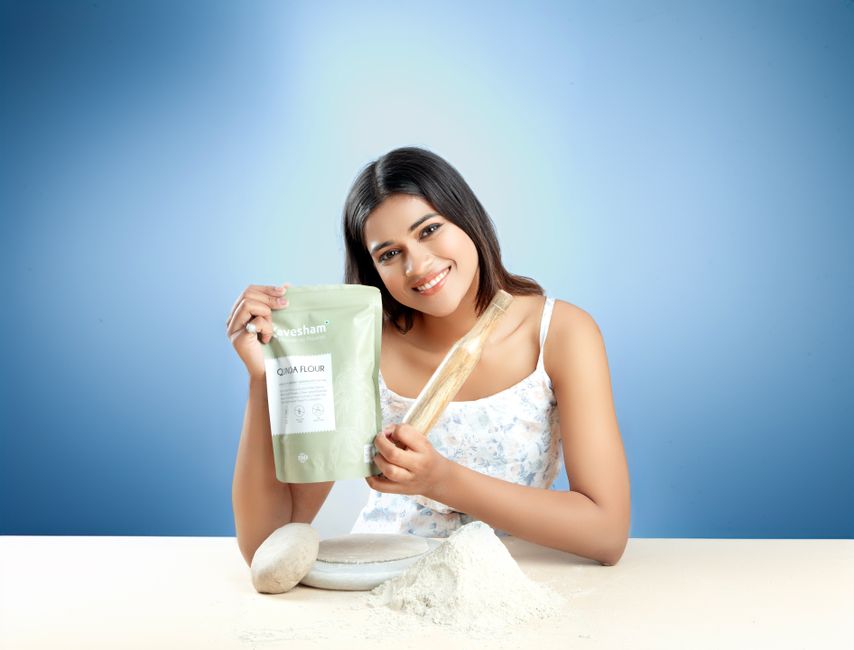
Gluten free flour is any flour made from grains, seeds, nuts, or starches that contain no gluten, the protein found in wheat, barley, and rye. It is not a single product but a broad category of flours made from rice, corn, potato, tapioca, chickpea, almond, and many other sources. For people with celiac disease or a diagnosed gluten sensitivity, these flours are a medical necessity, not a trend.
Is Gluten Free Flour Actually Gluten Free?
Not always. A flour can be made from a naturally gluten-free grain and still contain gluten by the time it reaches your kitchen.
The problem is cross-contact. Wheat dust lingers in mills, shared equipment, and storage bins. A bag of rice flour processed on the same line as wheat flour can pick up enough gluten to matter for someone with celiac disease. This is why certified gluten-free labeling exists — it means the product has been tested and verified to contain less than 20 parts per million of gluten, the threshold the FDA uses for gluten-free claims on packaged food.
That 20 ppm limit is worth understanding. It is not a level at which everyone is guaranteed safe. It is a regulatory standard built on research into how much gluten most people with celiac disease can tolerate daily without detectable harm. Some people react to smaller amounts. The limit is a practical public health tool, not a magic number.
If you have celiac disease, look for third-party certification marks on flour packaging. Naturally gluten-free ingredients listed on a label do not guarantee the finished product is safe.
What Is Gluten Free Flour Made From?
Gluten free flours fall into a few rough groups, and each behaves differently in baking. Understanding the source tells you a lot about how the flour will perform.
- Whole-grain flours: brown rice, sorghum, millet, teff, buckwheat, and oat flour (only if certified gluten-free). These carry more protein, fiber, and flavor.
- Starchy flours: white rice, potato starch, cornstarch, and tapioca starch. These add lightness and structure but little nutrition.
- Nut and seed flours: almond, coconut, and chickpea flour. These bring fat, protein, and distinct flavors, but they absorb water very differently from grain flours.
Most commercial gluten free all-purpose blends combine a whole-grain flour with two or three starches, plus a binder like xanthan gum or guar gum. The binder is the quiet workhorse. Gluten normally provides elasticity and traps gas so baked goods rise and hold together. Without it, a muffin crumbles and bread collapses. Xanthan gum and similar additives stand in for some of that function, though not all of it.
Is Gluten Free Flour Healthier Than Regular Flour?
No. For most people, gluten free flour is not a healthier choice than wheat flour, and it is often less nutritious.
Whole wheat flour naturally contains fiber, B vitamins, iron, and some protein. Refined gluten free blends — the kind most commonly sold — are built mostly from white rice flour and starches. They are typically lower in fiber and lower in protein than whole wheat flour. Some manufacturers enrich their blends to replace lost vitamins, but not all do, and enrichment does not restore the fiber.
There is a real clinical reason this matters. People newly diagnosed with celiac disease often have damaged intestinal lining and nutritional deficiencies at diagnosis. Shifting to a gluten-free diet is medically necessary, but research has consistently found that many people on long-term gluten-free diets eat less fiber and fewer key vitamins and minerals than the general population. The diet can improve gut health while creating new nutritional gaps if it is not built carefully around whole foods.
For someone without celiac disease or a diagnosed sensitivity, there is no established health benefit to choosing gluten free flour. Some people report feeling better after cutting gluten. The evidence for non-celiac gluten sensitivity is real but still limited, and some research suggests that other components of wheat, or expectations themselves, may explain part of the effect. That does not mean symptoms are imagined. It means the mechanism is not fully understood.
Does Gluten Free Flour Bake the Same Way?
No, and expecting it to is the most common reason gluten free baking fails.
Gluten does structural work that nothing else fully replaces. It stretches, holds gas, and gives dough its chew. Remove it and you need to compensate in several ways at once. Gluten free batters usually need more liquid because the flours absorb water differently. They often benefit from resting before baking so the flour can fully hydrate. They usually need a binder, and they tend to brown and set differently in the oven.
This is why a one-to-one swap of gluten free flour for wheat flour in an old recipe often disappoints. Blends labeled “measure for measure” or “cup for cup” are formulated to substitute more closely, but they still vary by brand. A blend that works in cookies may not work in yeast bread.
Whole-grain gluten free flours like sorghum and teff behave more like whole wheat, with nuttier flavor and denser texture. Starch-heavy blends behave more like white flour. Knowing which type you are holding tells you what to expect before you start mixing.
Who Actually Needs Gluten Free Flour?
Three groups have a clear medical reason to use it. Everyone else is choosing a preference, not treating a condition.
The first group is people with celiac disease, an autoimmune condition in which gluten triggers damage to the small intestine. For them, gluten free flour is not optional. The second is people with a confirmed wheat allergy, whose immune system reacts to wheat proteins. The third is people with non-celiac gluten sensitivity diagnosed after celiac disease and wheat allergy have been ruled out by a doctor.
Testing matters here, and this is where people often get into trouble. If you stop eating gluten before you are tested for celiac disease, the tests can come back falsely negative because the intestinal damage begins to heal. Current clinical guidance is to keep eating gluten while testing is underway. Anyone considering a gluten-free diet for symptom relief should talk to a doctor before cutting gluten, not after.
For everyone else — people who feel better eating less wheat, or who simply prefer gluten free products — the flour is safe for most people but offers no proven advantage. It also costs more, often two to three times the price of wheat flour.
How Should You Store and Use Gluten Free Flour?
Gluten free flour spoils faster than wheat flour, especially the whole-grain and nut-based kinds. Without gluten’s structure and with more natural oils in flours like almond and brown rice, rancidity sets in sooner. Store whole-grain gluten free flours in the refrigerator or freezer in an airtight container, and check for a stale or bitter smell before using. White rice flour and pure starches keep longer in a cool, dry pantry.
When cooking for someone with celiac disease, the kitchen itself becomes part of the equation. A shared toaster, a colander used for wheat pasta, or a cutting board with wheat crumbs can transfer enough gluten to cause problems. Use clean equipment and separate storage. This is one of the least discussed parts of living gluten free, and one of the most important.
Finally, treat gluten free flour as an ingredient with its own rules, not a substitute to be forced into wheat recipes. The people who bake with it best are the ones who stop expecting it to behave like wheat and start learning how it actually works.
Frequently Asked Questions
Is gluten free flour the same as regular flour?
No. Gluten free flour is made from grains, starches, nuts, or seeds that contain no gluten, while regular wheat flour contains gluten, the protein that gives dough its structure. The two behave very differently in baking and have different nutritional profiles.
Can gluten free flour contain gluten?
It can, through cross-contact during milling or packaging. Certified gluten free products are tested to contain less than 20 parts per million of gluten, which is the FDA threshold for gluten-free labeling.
Is gluten free flour healthier for you?
Not for most people. Refined gluten free blends are often lower in fiber and protein than whole wheat flour, and there is no established health benefit to choosing them unless you have celiac disease, a wheat allergy, or a diagnosed gluten sensitivity.
Do you need xanthan gum with gluten free flour?
Often yes, especially in baking recipes that rely on gluten for structure. Many commercial blends already include a binder, so check the label before adding more.
