
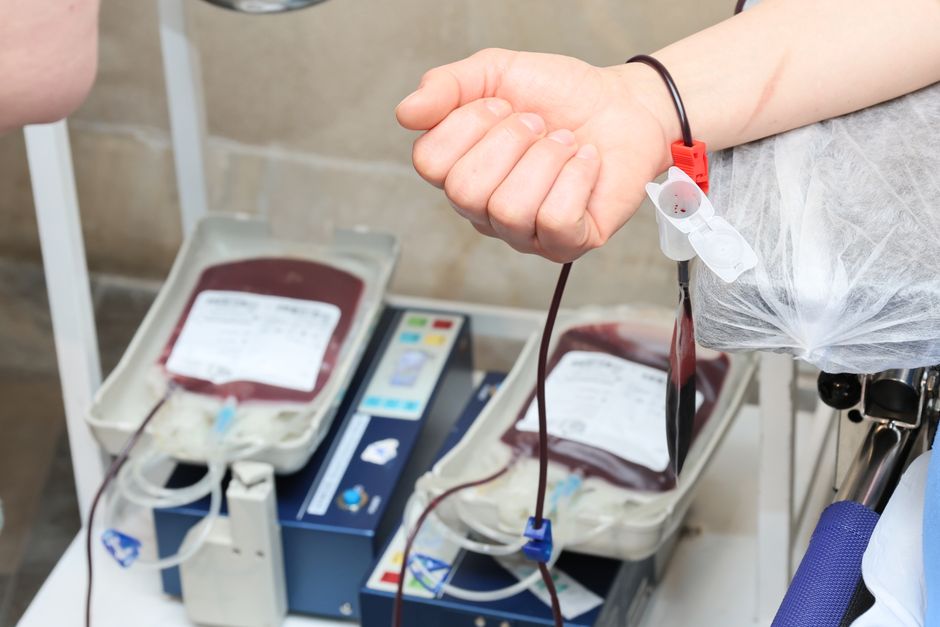
Giving blood is good for your health in some measurable ways, and neutral to slightly risky in others. The clearest benefit is for the person receiving it. For the donor, regular donation can help keep iron levels in a healthy range and often comes with a free check of blood pressure, pulse, and hemoglobin. The main downside is short-term: mild fatigue, dizziness, or bruising, which usually passes within a day or two.
Is Giving Blood Good For Health?
Yes, with honest caveats. The strongest evidence for donor benefit involves iron. Every whole blood donation removes roughly 200 to 250 milligrams of iron from your body. For people who carry too much iron, that removal is genuinely helpful. For everyone else, it is a manageable loss that the body replaces over weeks.
Blood donation also triggers a temporary wave of new red blood cell production. Your bone marrow senses the drop in circulating red cells and ramps up output. This is normal physiology, not a special “detox.” The body does not clear toxins through donation. That claim circulates widely online and is not supported by any clinical evidence.
What donation reliably provides is a health snapshot. Before you give, staff check your hemoglobin or hematocrit, blood pressure, pulse, and temperature. Occasionally these screenings flag something worth following up with a doctor. They are not a substitute for a physical exam or blood work ordered by a clinician.
What Happens to Your Body After You Donate Blood?
The body responds in predictable stages, and most of the recovery happens quietly without you noticing.
Plasma volume — the liquid part of blood — is replaced within about 24 to 48 hours. That is why the lightheaded feeling fades quickly for most people. Red blood cells take longer. Whole blood donation removes red cells that the body needs roughly four to six weeks to fully replace. This is why donation centers require a waiting period between whole blood donations, typically eight weeks or 56 days in the United States.
Iron stores recover more slowly than red cells. Hemoglobin may return to normal in a few weeks, but ferritin — the protein that stores iron — can stay low for months, especially in frequent donors. This is the main reason regular donors are advised to pay attention to iron intake.
Platelet and plasma donations work differently. Your body replaces plasma within days and platelets within a short window, which is why those donations can be repeated more often than whole blood. Each type has its own eligibility timeline set by the collection center.
Does Donating Blood Lower Iron Levels?
Yes, and for some people that is the point. Each whole blood donation removes a meaningful amount of iron. For people with a condition called hereditary hemochromatosis, where the body absorbs and stores too much iron, regular therapeutic phlebotomy is an established treatment. In that context, removing blood is a medical therapy, not just a donation.
For everyone else, the iron loss matters mostly if it is repeated. Research on frequent blood donors has found that some develop iron deficiency, and in some cases iron deficiency anemia, even when their hemoglobin passes the pre-donation screening. Hemoglobin can look acceptable while ferritin is already low.
This is an important nuance. Passing the finger-stick test does not guarantee your iron stores are fine. If you donate regularly and feel unusually tired, short of breath, or notice unusual paleness, it is reasonable to ask a doctor about checking ferritin, not just hemoglobin.



Who Should Be Cautious About Donating Blood?
Donation is safe for most healthy adults, but certain groups should think carefully or check with a clinician first.
- People who are already anemic or have low iron stores
- Anyone who has donated recently and has not fully recovered
- People with certain heart, lung, or bleeding conditions
- Those taking blood thinners or other medications that affect clotting
- People who are pregnant
- Anyone who has recently had surgery, an infection, or a tattoo or piercing within the waiting period set by the collection center
Pregnancy deserves a specific note. Donation is generally not recommended during pregnancy, and no clinical guidelines support routine donation while pregnant or in the early postpartum period. If you are pregnant or breastfeeding and considering donation, talk to your doctor first.
Age and weight rules vary. Most centers set a minimum weight, often around 110 pounds, because the volume of blood collected is a fixed amount. Smaller people have a proportionally larger volume removed, which raises the risk of a fainting reaction.
What Are the Risks and Side Effects of Donating Blood?
The risks are real but usually minor and short-lived. The most common reaction is lightheadedness or fainting, which happens in a small share of donors and is more likely in first-time donors and younger people.
Other common effects include:
- Bruising or soreness at the needle site
- Feeling tired for the rest of the day
- Brief dizziness when standing up
- Minor bleeding under the skin
Serious complications are rare. Infection at the needle site is uncommon because the site is cleaned and sterile equipment is used once and discarded. Nerve irritation near the vein can occur but usually resolves.
There is no evidence that donating blood weakens your immune system in any lasting way. The body replaces the donated components, and studies have not shown increased infection rates among regular donors.
How Often Can You Donate Blood Safely?
The waiting periods are set to protect the donor, not just the supply. In the United States, whole blood donation is typically allowed every 56 days, which is eight weeks. Platelet donations can be done more frequently, often every seven days up to a set number of times per year. Plasma donation has its own schedule.
These intervals exist because your body needs time to rebuild red cells and, to a lesser extent, iron stores. Following them matters. Donating more often than recommended raises the risk of iron deficiency and anemia.
If you donate regularly, it is worth having a conversation with your doctor about checking iron status periodically. Some blood centers now offer ferritin testing or recommend iron supplementation for frequent donors, though practices vary and this is not universal.
Does Donating Blood Have Mental Health Benefits?
Many donors report feeling good after giving blood, and there is a reasonable basis for that. Helping others tends to produce a sense of purpose, and some research links volunteering and altruistic behavior to improved mood.
That said, the evidence for donation specifically improving mental health is limited. Most of what we know comes from broader research on helping behavior, not from controlled trials of blood donors. It is fair to say many people find it rewarding. It is not accurate to claim donation treats or prevents depression or anxiety.
Is Giving Blood Good For Health? The Bottom Line
For most healthy adults, donating blood is safe and provides modest benefits, mainly through iron regulation and a periodic health check. The biggest benefit goes to the recipient, whose life may depend on it.
The honest picture is this: donation is not a detox, not a cure, and not a replacement for medical care. It is a low-risk act with real value, provided you respect the waiting periods, watch for signs of iron deficiency if you donate often, and check with a doctor if you have any health conditions that might make donation unwise.
Frequently Asked Questions
Is giving blood good for your health?
Yes, for most healthy adults. It helps regulate iron levels and provides a free check of blood pressure and hemoglobin, though the main benefit is to the recipient.
How long does it take to recover from donating blood?
Plasma volume is replaced within about 24 to 48 hours, so most people feel normal within a day. Red blood cells take roughly four to six weeks to fully rebuild.
Can donating blood cause anemia?
Frequent donation can lead to iron deficiency and, in some cases, anemia, even when hemoglobin passes the pre-donation screening. If you donate regularly and feel unusually tired, ask a doctor about checking ferritin.
Does donating blood weaken your immune system?
No. There is no evidence that donation causes lasting immune suppression, and the body replaces the donated components over time.
