
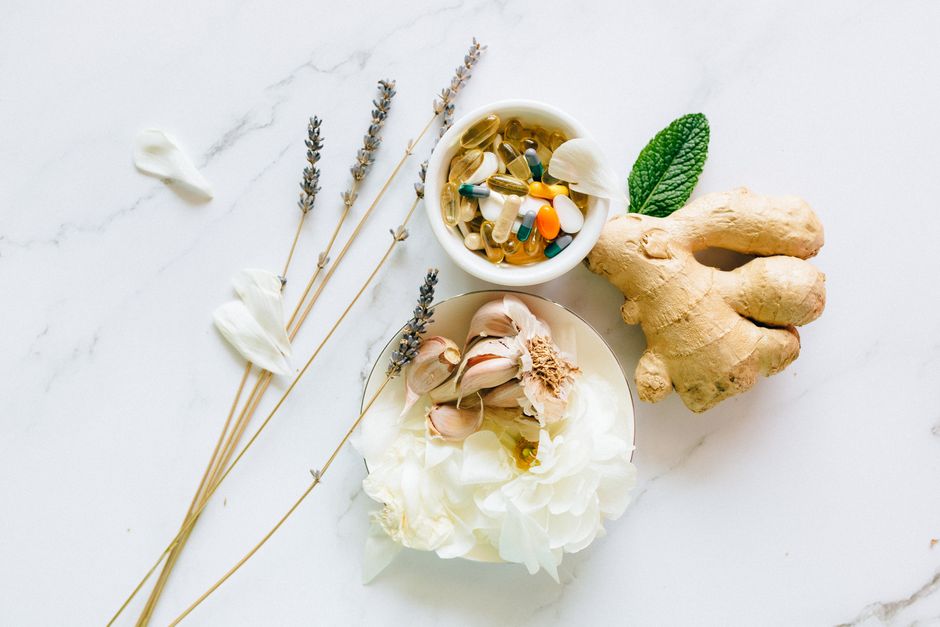
No, ginseng and ginger are not the same plant, and they are not related. Ginseng is a slow-growing root used in traditional Asian medicine, while ginger is a widely used culinary spice and herbal remedy from a different plant family entirely. Their active compounds, health effects, and uses are completely different, so they cannot be substituted for one another.
What Is The Main Difference Between Ginseng And Ginger?
The most basic difference comes down to the plants themselves. Ginger comes from the Zingiber officinale plant. It is a flowering plant whose rhizome, or underground stem, is the part used for cooking and medicine.
Ginseng comes from plants in the Panax genus. The most common types are Asian ginseng (Panax ginseng) and American ginseng (Panax quinquefolius). The root is the part used.
These are not just different species. They belong to entirely different botanical families. Ginger is in the Zingiberaceae family, which also includes turmeric and cardamom. Ginseng is in the Araliaceae family, which includes ivy plants.
Think of it this way: ginger is in the same family as turmeric. Ginseng is in the same family as English ivy. They share almost nothing botanically.
How Do Their Active Compounds Differ?
The active ingredients in each plant explain why they affect the body differently.
Ginger contains compounds called gingerols. When ginger is dried or cooked, these convert into other compounds called shogaols. These substances are responsible for ginger’s spicy taste and most of its medicinal effects, particularly its ability to reduce nausea and fight inflammation.
Ginseng contains a completely different class of compounds called ginsenosides. These steroid-like molecules are unique to ginseng plants. Researchers believe ginsenosides are responsible for ginseng’s effects on energy, mental performance, and the immune system.
No plant other than ginseng produces ginsenosides. That is a key point. If a product label claims to contain ginseng, it should list ginsenosides on its standardized extract label. Ginger will never contain these compounds.
What Are The Health Benefits Of Ginger?
Ginger has strong evidence behind several uses. The most well-documented benefit is for nausea.
Research consistently shows that ginger can reduce nausea and vomiting in specific situations. These include pregnancy-related nausea, motion sickness, and nausea after surgery. Some studies also suggest it helps with chemotherapy-induced nausea, though results vary.
Ginger also has anti-inflammatory properties. Some research indicates it may reduce muscle pain after exercise and help with osteoarthritis symptoms. The evidence here is moderate, not overwhelming, but it is consistent enough that many clinicians recommend it as a complementary option.
For digestion, ginger is a traditional remedy that appears to help with stomach emptying. Some studies suggest it speeds up how quickly food leaves the stomach, which may help with indigestion and bloating.
Ginger is generally safe in culinary amounts. In supplement form, it can cause mild heartburn or stomach upset in some people. It may also increase bleeding risk at high doses, so people on blood thinners should talk to their doctor first.
What Are The Health Benefits Of Ginseng?
Ginseng is more complicated. The evidence for its benefits is real but less consistent than the evidence for ginger.
Some studies suggest that Panax ginseng, also called Asian or Korean ginseng, may improve mental performance and feelings of alertness. The effects are modest. They are not comparable to prescription stimulants.
There is also research on ginseng and the immune system. Some studies indicate that taking ginseng may reduce the risk of catching a cold or shorten how long a cold lasts. The quality of this research varies, and not all trials agree.
American ginseng is sometimes used differently from Asian ginseng. Traditional Chinese medicine views Asian ginseng as more stimulating and American ginseng as more calming. Modern research has not fully confirmed this distinction, but many practitioners still follow it.
One important limitation: many ginseng studies use different preparations, doses, and types of ginseng. This makes it hard to compare results across studies. Some research suggests ginseng may help with fatigue, but the evidence is mixed. No large human trials have confirmed a consistent benefit for energy in healthy people.
Is Ginseng The Same As Ginger Key Differences In Taste And Use
If you have cooked with both, you already know they taste nothing alike.
Ginger has a sharp, spicy, slightly sweet flavor. It is a staple in cooking worldwide. You find it in Asian stir-fries, Indian curries, baked goods like gingerbread, and drinks like ginger ale and ginger tea.
Ginseng has an earthy, bitter, slightly sweet taste. It is rarely used in cooking. People usually take it as a tea, an extract, a powder in capsules, or as dried root slices chewed directly. In Korea, ginseng is sometimes added to soups or chicken dishes, but this is a medicinal tradition rather than everyday cooking.
You cannot swap one for the other in a recipe. The flavors are too different, and the health effects are not interchangeable.
Can You Take Ginger And Ginseng Together?
Yes. There is no known interaction between ginger and ginseng that makes them unsafe to take together. Many traditional formulas include both.
However, taking them together does not combine their benefits in any special way. They work through different mechanisms and address different concerns. If you want both the anti-nausea effects of ginger and the potential energy effects of ginseng, taking them together is fine. Just do not expect a synergistic boost. No clinical evidence confirms that combining them increases effectiveness.
Before starting either supplement, consider your health status. Both can affect blood sugar levels. Both may have mild blood-thinning effects. If you take diabetes medication or blood thinners, talk to your doctor before adding either to your routine.
How To Choose Between Ginger And Ginseng
Your choice depends entirely on your goal.
Choose ginger if you want help with:
- Nausea or motion sickness
- Digestive discomfort
- Menstrual pain
- Mild inflammation or muscle soreness
Choose ginseng if you are interested in:
- Mental focus and alertness
- Immune support during cold season
- General fatigue
For nausea or cooking, ginger is the clear choice. For energy and cognitive concerns, ginseng is the one to research further. They are not competitors. They are different tools for different jobs.
What About Safety And Side Effects?
Both ginger and ginseng are generally safe for most adults when used in reasonable amounts.
Ginger in culinary amounts is safe for almost everyone. In supplement doses, it can cause heartburn, gas, or stomach upset. High doses may increase bleeding risk. Pregnant women should not exceed culinary amounts unless their doctor approves a specific dose for morning sickness.
Ginseng is also safe for most people for short-term use of up to three months. Insomnia is the most common side effect, especially at higher doses. Some people report headaches, digestive upset, or changes in blood pressure.
No clinical guidelines currently exist for ginseng use in pregnant or breastfeeding women. If you are pregnant or nursing, do not take ginseng without discussing it with your healthcare provider first.
Both supplements can interact with medications. Ginseng may interact with blood thinners, diabetes drugs, and some antidepressants. Ginger may interact with blood thinners and diabetes drugs at high doses. Always tell your doctor about every supplement you take.
Are There Fake Or Adulterated Products To Watch For?
Yes, and this is a real concern in the supplement market.
Ginseng is expensive. Ginger is cheap. Some low-quality products may label ginger as ginseng or mix them together to cut costs. This is misleading because the effects are completely different.
More concerning is that some ginseng products do not contain any actual ginseng. Some studies have found that certain commercial ginseng products contain little or no ginsenosides. Look for products that are standardized to contain a specific percentage of ginsenosides, usually 2 to 7 percent. This gives you some assurance that the active compounds are actually present.
For ginger, the main issue is less about adulteration and more about quality. Ginger supplements vary in their concentration of gingerols. Look for products standardized to a specific gingerol content if you want consistent dosing.
Frequently Asked Questions
Can I use ginger instead of ginseng for energy?
No. Ginger is not a stimulant and has no established effect on energy or mental alertness. Ginseng is the one with research behind cognitive and energy effects, though the evidence is modest.
Is ginseng tea made from ginger?
No. Ginseng tea is brewed from dried ginseng root slices or ginseng extract powder. Ginger tea is made from fresh or dried ginger root. They are different drinks with different flavors and effects.
Which is stronger, ginger or ginseng?
The question does not have a simple answer because they affect the body differently. Ginger is stronger for nausea and digestive issues. Ginseng has stronger effects on mental alertness and immune function. Neither is universally stronger than the other.
Can ginseng and ginger be used together in tea?
Yes. Combining them in tea is safe and some people enjoy the flavor combination. The two herbs do not interact negatively, but combining them does not make either one more effective.
