
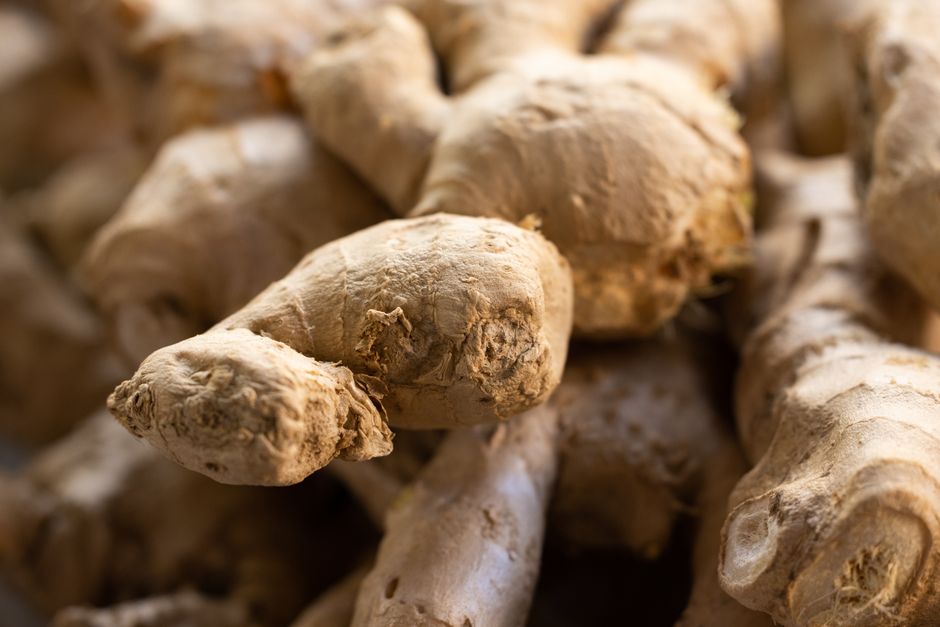
Ginger is not invasive in the United States in the way kudzu or Japanese knotweed is. It cannot survive freezing winters outdoors in most of the country, so it does not spread into wild landscapes here. In tropical and subtropical climates, though, the answer changes: ginger can spread aggressively and is listed as invasive in parts of Hawaii, Puerto Rico, and several island ecosystems.
The confusion comes from the word “invasive.” A plant that spreads quickly in your garden bed is not the same as an invasive species. Those are two different things, and ginger sits on both sides of that line depending on where it grows.
Is Ginger Invasive The Truth About Its Growth?
Ginger is a spreading perennial. It grows from a thick underground stem called a rhizome, and it multiplies by sending out new shoots from that rhizome. Left alone in warm, wet soil, a single planting can expand into a dense clump within a few seasons.
That growth habit is what makes people ask the question. But spreading in a garden and invading a natural ecosystem are not the same thing.
The scientific name for common edible ginger is Zingiber officinale. It is native to Southeast Asia and has been cultivated for thousands of years. It is not listed on the federal noxious weed list in the United States. The USDA does not classify it as a federally regulated invasive plant.
Where it does cause problems is in frost-free environments. In Hawaii, Puerto Rico, and some Pacific islands, ginger has escaped cultivation and formed thick stands in forest understory. Several related species in the same family — including Kahili ginger (Hedychium gardnerianum) and yellow ginger (Hedychium flavescens) — are more serious invaders than edible ginger itself. These are often confused with culinary ginger because they look similar and share the name.
So the honest answer has two parts. In cold-winter climates, ginger is not invasive. In tropical and subtropical climates, it can be.
Why Can’t Ginger Spread Wildly in Most of the US?
Cold is the limiting factor. Ginger is a tropical plant. Its rhizomes are damaged by freezing temperatures, and the plant does not survive winters in USDA zones below roughly 8 to 9 without protection.
That rules out most of the continental United States. A ginger plant left in a garden in Ohio, Colorado, or New York will die back with the first hard freeze and will not return the following spring.
In warmer parts of the country — southern Florida, coastal Texas, parts of California, and Hawaii — ginger can overwinter outdoors. Even there, it needs consistent moisture and warm soil to thrive. It does not tolerate drought well, and it does not spread through dry or disturbed ground the way true invasive species do.
This is the key point people miss. A plant that spreads fast in ideal conditions is not automatically an invasive species. Invasive status depends on whether a plant escapes cultivation, establishes in natural areas, and causes harm to those ecosystems. For ginger, that requires a climate that rarely freezes.
Where Is Ginger Actually Considered Invasive?
Ginger and its relatives are documented as invasive in several tropical and subtropical regions outside their native range. The pattern is consistent: warm, humid climates with no winter kill.
In Hawaii, several ginger species have naturalized in forests and disturbed areas. Edible ginger is present, but the ornamental Hedychium species are the bigger concern. They form dense thickets that crowd out native understory plants.
Puerto Rico and other Caribbean islands have similar reports. Parts of Australia, New Zealand, and several Pacific islands also manage ginger relatives as weeds.
The distinction between edible ginger and ornamental ginger matters here. Kahili ginger and its relatives produce abundant seed and spread more readily than culinary ginger, which rarely sets seed outside the tropics and spreads mainly by rhizome. When land managers talk about “invasive ginger,” they are often referring to these ornamental species, not the ginger you buy at the grocery store.
Will Ginger Take Over My Garden?
In a warm climate, yes, ginger can spread beyond where you planted it. It expands outward from the rhizome each season, and if you leave it undisturbed, the clump gets larger every year.
That is not the same as taking over. Ginger grows in clumps rather than sending runners across long distances. It spreads slowly compared to running bamboos or mint. Most gardeners find it manageable.
The bigger practical issue is containment. Ginger rhizomes sit close to the soil surface, and a raised bed or buried barrier can keep them from creeping into adjacent planting areas. In-ground planting in warm climates means you should expect to dig and divide the clump every few years.
If you garden in a cold climate, ginger is usually grown as an annual or in containers that you bring indoors before frost. In that situation, spread is not a concern at all.
How Does Ginger Spread, and How Do You Contain It?
Ginger spreads almost entirely through its rhizome. The underground stem branches and produces new buds, each of which grows into a new shoot. Digging up the plant and leaving fragments behind is the most common way it spreads to new spots.
Containment comes down to a few practical steps:
- Plant in a container or raised bed if you live in a warm climate and want tight control.
- Harvest by digging the whole clump rather than cutting stems, so you remove the rhizome.
- Do not dump rhizome fragments or garden waste in natural areas or near waterways.
- Check with your local extension office before planting ginger outdoors in tropical or subtropical regions.
In cold climates, none of this is necessary. Frost does the containment for you.
Is Growing Ginger at Home a Problem?
For most US gardeners, growing ginger at home is not an ecological concern. The plant will not survive winter outdoors in most states, and it does not produce viable seed in temperate climates.
The main caveat is for readers in Hawaii, southern Florida, Puerto Rico, and similar frost-free areas. In those regions, check local guidance before planting ginger or its ornamental relatives outdoors. Some areas actively manage these plants as weeds.
There is one more thing worth knowing. The ginger you buy in a grocery store is often treated to prevent sprouting. It can still be grown, but it may take longer to start. Organic ginger tends to sprout more reliably. This is a practical detail, not a safety issue.
Does Invasive Mean Dangerous?
No. “Invasive” is an ecological term, not a safety warning. It means a plant spreads in a way that harms native ecosystems. It says nothing about whether the plant is toxic or unsafe to eat.
Ginger has a long history of use as a food and spice. Some research suggests ginger may help with nausea, including motion sickness and nausea during pregnancy, though evidence varies by context and the quality of studies differs. Anyone considering ginger for a health purpose — especially during pregnancy or alongside medication — should talk with a healthcare provider first.
The ecological concern and the culinary use are separate questions. A plant can be a valued spice and a problematic weed at the same time, in different places.
Frequently Asked Questions
Is ginger invasive in the US?
Ginger is not federally listed as invasive in the United States and cannot survive freezing winters in most states. It is considered invasive in some tropical and subtropical areas, including parts of Hawaii and Puerto Rico.
Will ginger spread in my garden?
Ginger spreads slowly outward from its rhizome and can expand into a larger clump over several seasons in warm climates. In cold climates it dies back each winter and does not spread outdoors.
Can I grow ginger outdoors where I live?
Ginger grows outdoors year-round only in frost-free climates, roughly USDA zones 8 to 9 and warmer. Elsewhere it is usually grown in containers and brought indoors before the first frost.
Is edible ginger the same as invasive ginger?
Not exactly. Edible ginger is Zingiber officinale, while the most aggressive invasive gingers are ornamental species such as Kahili ginger. They belong to the same plant family but behave differently in the landscape.
