
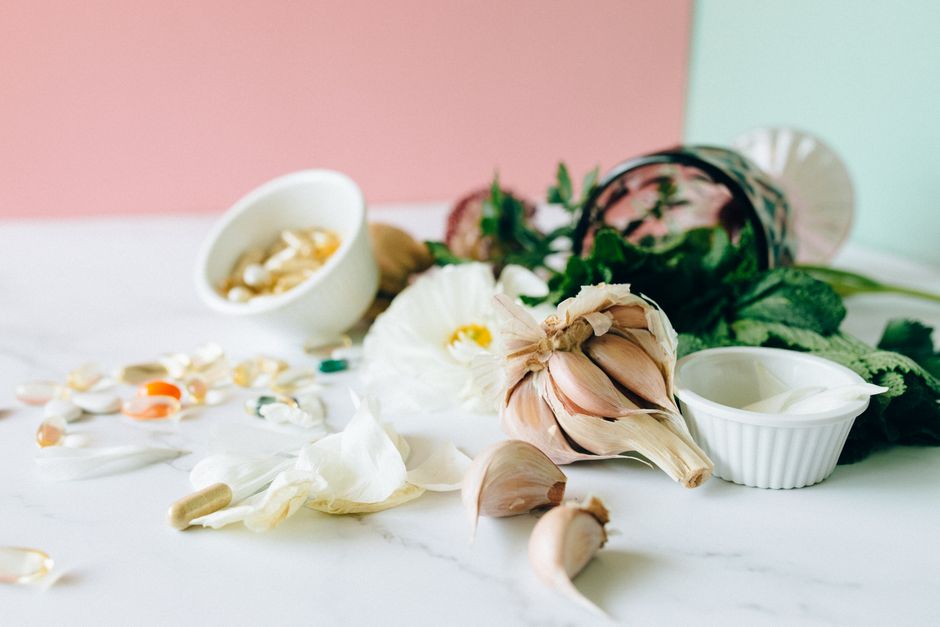
Garlic is not high in histamine, but it does not reliably lower histamine levels in the body either. Most fresh garlic is considered low in histamine, which is why many people with histamine intolerance can eat it without problems. However, garlic can trigger the release of histamine from certain immune cells, which means it may cause symptoms in some sensitive individuals even though the garlic itself contains very little histamine.
What Does “High Histamine” Actually Mean?
Histamine is a chemical your body produces as part of the immune response. It is also found naturally in many foods. When we talk about a food being “high histamine,” we mean the food itself contains large amounts of histamine that enter your body when you eat it.
Foods like aged cheese, fermented vegetables, cured meats, and alcoholic beverages are genuinely high in histamine. These foods can cause symptoms in people whose bodies cannot break down histamine quickly enough. This condition is called histamine intolerance.
Garlic does not belong in that category. Fresh garlic contains only trace amounts of histamine. Most standard lists of low-histamine foods include garlic as acceptable.
Why Some People React to Garlic Anyway
Here is where the picture gets more complicated. Some people with histamine intolerance or mast cell disorders report symptoms after eating garlic. The reason may not be the histamine content of the garlic itself.
Garlic contains compounds that can trigger mast cells to release histamine. Mast cells are immune cells that store histamine and release it in response to various triggers. When garlic causes these cells to dump their stored histamine, the effect is similar to eating a high-histamine food — even though the garlic did not contain much histamine to begin with.
This is why the answer to “is garlic high in histamine or does it lower it” is not a simple yes or no. Garlic is low in histamine but can act as a histamine liberator in some people.
Does Garlic Lower Histamine in the Body?
Some sources claim garlic has antihistamine properties. The evidence for this is limited and mostly comes from laboratory studies, not human clinical trials.
Garlic contains compounds like quercetin and allicin that have anti-inflammatory properties in laboratory settings. Quercetin, in particular, has been studied for its ability to stabilize mast cells and reduce histamine release. However, the amount of quercetin in garlic is modest compared to foods like onions or apples.
No large human studies have confirmed that eating garlic significantly lowers circulating histamine levels. Some research suggests garlic may have mild anti-inflammatory effects, but this is not the same as demonstrating a meaningful reduction in histamine for people with histamine intolerance.
If you are looking for foods that genuinely support histamine breakdown, the evidence is stronger for foods rich in vitamin C, copper, and vitamin B6 — nutrients that help the body produce the enzyme diamine oxidase (DAO), which breaks down histamine.




Garlic Powder, Garlic Extract, and Aged Garlic
Processing changes how garlic behaves. Fresh garlic is low in histamine, but processed garlic products may be different.
Garlic powder and dried garlic are generally still considered low in histamine. However, the drying process can concentrate certain compounds, which may increase the likelihood of triggering a reaction in sensitive people.
Aged garlic extract is a different product entirely. It is made by soaking garlic in alcohol or water for many months. The aging process changes the chemical profile significantly. Some laboratory research suggests aged garlic extract may have stronger anti-inflammatory effects than fresh garlic. However, no clinical guidelines currently recommend aged garlic as a treatment for histamine intolerance.
If you react to fresh garlic, you will likely react to garlic powder and aged garlic extract as well. The trigger compounds are present in all forms.
How to Know If Garlic Is a Problem for You
The only reliable way to know whether garlic triggers your symptoms is to test it carefully. This is not medical advice — it is a description of how elimination diets typically work.
Start with a low-histamine elimination diet that removes garlic completely for two to four weeks. Track your symptoms daily. If your symptoms improve significantly during this period, garlic may be a trigger for you.
Then reintroduce garlic in a small amount. Eat one clove of fresh garlic with a meal. Wait 24 hours and note any symptoms. Headache, flushing, itching, hives, digestive upset, or a runny nose are common histamine reactions.
If you have symptoms after reintroduction, garlic is likely a trigger for you personally. If you have no symptoms, garlic is probably fine for you to eat.
This approach is not perfect. It does not distinguish between a histamine liberator effect and an allergic reaction to garlic itself. True garlic allergy is rare but does exist. If you have ever had throat swelling, difficulty breathing, or severe reactions after eating garlic, do not attempt reintroduction at home. See an allergist instead.
What to Eat Instead If Garlic Bothers You
If garlic triggers your symptoms, you still have flavor options. The goal is to reduce histamine load while keeping your meals enjoyable.
Herbs are generally well tolerated. Fresh basil, oregano, thyme, rosemary, and parsley are all considered low in histamine. These can replace garlic in many recipes.
Asafoetida powder, sometimes called hing, is a traditional spice used in Indian cooking that provides a garlic-like flavor. It is made from a plant resin and is not related to garlic. Some people with histamine intolerance tolerate it well, though evidence specific to histamine is lacking.
Garlic-infused olive oil is another option worth considering. The oil itself contains no protein and no water, so histamine and most trigger compounds do not transfer into the oil. This is a common workaround for people who react to garlic solids but want the flavor. Quality varies by brand, so test carefully.
What the Evidence Actually Shows
Let us be direct about the state of the research. The scientific literature on garlic and histamine is thin.
Laboratory studies have shown that garlic extracts can both stimulate and inhibit histamine release depending on the concentration and the cell type studied. This is not contradictory — it reflects the complex chemistry of garlic. Different compounds in garlic may have opposing effects.
Human studies specifically examining garlic in people with histamine intolerance are essentially absent. No clinical trials have measured whether garlic raises or lowers histamine levels in humans with this condition.
What we know comes from clinical experience and case reports. Many clinicians who treat histamine intolerance report that some patients react to garlic while others do not. This variability is consistent with garlic being a histamine liberator rather than a high-histamine food.
Practical Takeaways
- Fresh garlic is low in histamine and is not classified as a high-histamine food.
- Garlic can trigger histamine release in some people, causing symptoms similar to eating high-histamine foods.
- No reliable evidence shows garlic lowers histamine levels in the human body.
- Individual tolerance varies. Testing your own response is the only way to know for sure.
- Garlic-infused oil may be a safe alternative for people who react to garlic solids.
If you have been diagnosed with histamine intolerance, work with a healthcare provider who understands the condition. Histamine intolerance is not a single disease with one cause. It can stem from enzyme deficiencies, gut issues, medication interactions, or underlying conditions like mast cell activation syndrome. The right approach depends on the underlying cause.
Frequently Asked Questions
Is garlic safe on a low-histamine diet?
Most low-histamine diet guidelines list fresh garlic as acceptable because it contains minimal histamine. However, some individuals with histamine intolerance react to garlic because it can trigger histamine release, so personal tolerance varies.
Can garlic make histamine intolerance symptoms worse?
Yes, in some people garlic can trigger the release of histamine from mast cells, which may worsen symptoms. This effect is individual — some people eat garlic without any issues while others experience headaches, flushing, or digestive symptoms.
Does cooking garlic reduce its histamine effect?
Cooking does not reliably eliminate the compounds in garlic that can trigger histamine release. Some people find cooked garlic easier to tolerate than raw, but the evidence for this is anecdotal rather than established by clinical studies.
Is garlic a natural antihistamine?
No clinical evidence currently confirms that garlic acts as a natural antihistamine in humans. Laboratory studies show some anti-inflammatory properties, but no human trials have demonstrated meaningful histamine-lowering effects from eating garlic.
