
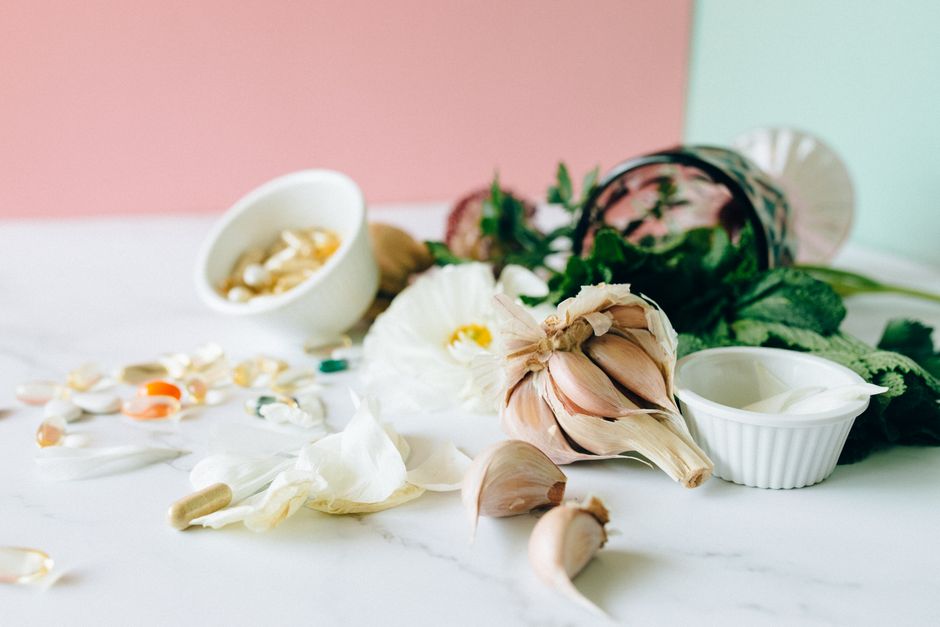
Garlic has been used as a cold remedy for centuries, and modern research has looked at it seriously. The short answer: the evidence is interesting but not strong enough to call garlic a proven cold treatment. Some small studies suggest garlic supplements might reduce how often people get colds, but the research is limited and has real weaknesses. Garlic is not a cure, and it will not reliably shorten a cold you already have.
That does not make garlic useless. It is a genuinely nutritious food with compounds that show antimicrobial activity in laboratory settings. The gap between what happens in a petri dish and what happens in your body, though, is where most garlic-and-cold claims fall apart. Here is what the science actually supports.
Is Garlic Good For Colds?
No strong evidence shows garlic treats or prevents the common cold. The most-cited human study on this question is small and has not been convincingly repeated.
That study, published in Advances in Therapy, gave participants either a garlic supplement or a placebo for 12 weeks. The garlic group reported fewer colds. It is often quoted as proof that garlic works. Look closer and the limits show: it was a single trial, relatively small, and relied partly on people reporting their own symptoms. One trial is not enough to build a recommendation on, especially when later research has not clearly confirmed the result.
The common cold is caused by many different viruses, most often rhinoviruses. A food or supplement that affects one part of the immune system in a lab test does not automatically reduce infections in real life. This is one of the most common mistakes in supplement marketing. Biological plausibility is not the same as demonstrated benefit.
What Does the Research Actually Show About Garlic and Colds?
The human evidence is thin. Most garlic research looks at other questions entirely, like blood pressure or cholesterol, not colds.
When researchers have reviewed the broader question of garlic for preventing or treating colds, they have generally found too few good-quality trials to draw firm conclusions. Some reviews note that the existing studies are small, short, and varied in how they were designed, which makes combining them unreliable. That is a polite way of saying the evidence is not there yet.
What does exist in larger amounts is laboratory research. Garlic contains a compound called allicin, which forms when garlic is crushed or chopped. Allicin and related sulfur compounds have shown activity against bacteria and some viruses in test-tube experiments. Some studies suggest garlic extracts may influence immune cell activity. These findings are real, but they come from controlled lab conditions, not from people living normal lives and catching colds from their kids or coworkers.
So the honest position is this: there is a plausible mechanism, a small amount of human data, and no strong confirmation. That is not nothing, but it is far from proven.
How Is Garlic Thought to Work Against Infection?
Garlic’s proposed effects come mainly from sulfur compounds, especially allicin. The mechanism is well described in laboratory science, even if the real-world benefit is unproven.
When you crush, chop, or chew garlic, an enzyme called alliinase converts a compound called alliin into allicin. Allicin is unstable and breaks down quickly, which is one reason garlic’s effects are hard to capture in a supplement. In lab studies, allicin and related compounds have interfered with the growth of various microbes. Some research also suggests garlic compounds can influence how immune cells respond.
There is a practical detail worth knowing. Because allicin forms only after garlic is damaged, how you prepare it matters. Chopping or crushing garlic and letting it sit for a few minutes before cooking allows more allicin to form. Heat can reduce alliinase activity, so garlic added at the end of cooking may retain more of these compounds than garlic cooked for a long time. This is established food chemistry, not a cold remedy. Whether it translates into fewer colds has not been shown.
Does Eating Garlic Help or Only Supplements?
Almost all the cold-specific research used garlic supplements, not garlic eaten as food. No study has shown that adding garlic to your meals prevents or treats colds.
This distinction matters. A supplement delivers a concentrated, standardized amount of a specific garlic preparation. Cooking with garlic delivers variable amounts of many compounds, and cooking itself changes them. The two are not interchangeable, and a study of one does not prove anything about the other.
That said, garlic is a healthy food. It adds flavor with almost no calories and fits well into a balanced diet. Enjoying garlic in your cooking is reasonable for its taste and its place in an overall healthy eating pattern. Just do not expect it to function as cold medicine.
Are Garlic Supplements Safe, and What Are the Risks?
Garlic supplements are generally well tolerated by most people, but they are not risk-free, and they can interact with medications.
Common side effects include bad breath, body odor, and digestive upset such as heartburn or stomach discomfort. These are usually mild. More important are interactions. Garlic can have a mild blood-thinning effect, and some evidence suggests it may increase bleeding risk when combined with anticoagulant or antiplatelet medications. If you take blood thinners or are scheduled for surgery, talk to your doctor before starting garlic supplements.
Garlic supplements may also affect how the body processes certain drugs, though the evidence is not uniform across all garlic products. Because supplements are not tightly regulated for consistency in the United States, the actual allicin content can vary widely between products and even between batches of the same product. A label claiming a specific amount does not guarantee what is in the bottle.
For pregnancy and breastfeeding, garlic as a food is considered normal and safe in usual culinary amounts. High-dose garlic supplements have not been well studied in these groups, and no clinical guidelines establish a safe supplemental dose. That is a reason for caution, not reassurance.
What Actually Helps With a Cold?
Cold viruses clear on their own in most healthy adults, usually within about a week to ten days. Supportive care is the mainstay, and a few measures have better evidence behind them than garlic does.
Rest, staying hydrated, and using over-the-counter remedies to ease symptoms are the standard approach. Handwashing remains the most reliable way to reduce the spread of cold viruses. Some evidence supports zinc lozenges for shortening cold duration when started early, though results vary and dosing matters. Talk to a pharmacist or doctor about whether zinc is appropriate for you, since it can interact with other medications and cause side effects.
Garlic can sit alongside these measures as a food you enjoy. It should not replace them, and it should not be presented as a substitute for medical care. If a cold lasts longer than expected, symptoms are severe, or you have an underlying condition, see a clinician.
The Bottom Line on Garlic and Colds
Garlic is a nutritious, flavorful food with compounds that show antimicrobial activity in the lab. That is genuinely interesting. But the human evidence that garlic prevents or treats colds is weak, based largely on one small study that has not been strongly confirmed.
If you like garlic, keep eating it. Just do not count on it to keep you cold-free or to shorten a cold you already have. And if you are considering garlic supplements, especially alongside medication, check with your doctor first. The evidence does not justify the risk of interactions going unexamined.
Frequently Asked Questions
Does garlic cure a cold?
No. Garlic has not been shown to cure colds, and no strong evidence confirms it shortens a cold you already have. The research is limited and mostly based on small studies.
Can garlic prevent colds?
One small study suggested garlic supplements might reduce how often people get colds, but it has not been convincingly repeated. The evidence is too weak to recommend garlic for cold prevention.
Is it safe to take garlic supplements every day?
Garlic supplements are generally well tolerated, but they can increase bleeding risk when combined with blood thinners. Talk to your doctor before taking them daily, especially if you take medication or have surgery planned.
Should I take garlic at the first sign of a cold?
No evidence shows that taking garlic at the start of a cold shortens it or reduces severity. Rest, fluids, and standard over-the-counter remedies have better support for symptom relief.
