
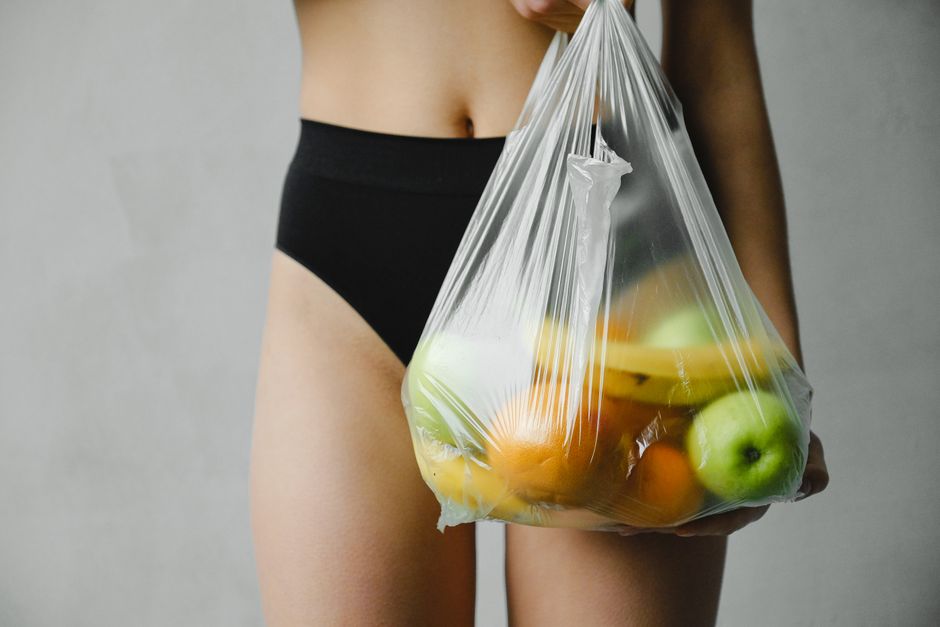
Most people with diarrhea should keep eating fruit, but the type matters. Bananas, peeled applesauce, and melons are usually gentle choices. Fruit with high sugar, lots of fiber, or a laxative effect — like prunes, pears, and large amounts of fruit juice — can make diarrhea worse. Fruit is not the enemy here. The wrong fruit, or too much at once, is what causes trouble.
Diarrhea means loose, watery stools, often three or more times a day. It is one of the most common digestive complaints, and most episodes clear up on their own within a few days. What you eat during that stretch can affect how you feel, though it rarely changes how long the illness lasts. Fruit sits right in the middle of that conversation, because some kinds help and some hurt.
Why Does Fruit Affect Diarrhea At All?
Fruit contains several things that interact with a gut that is already irritated. The main players are fiber, natural sugars, and water content.
Fiber adds bulk to stool. Soluble fiber, the kind in apples and bananas, absorbs water and can firm up loose stool. Insoluble fiber, found in fruit skins and many berries, adds roughage that can speed things along — not what you want when your gut is already moving too fast.
Natural sugars matter too. Some fruits are high in fructose, a sugar that draws water into the intestine and can cause loose stools in sensitive people even when they are well. Others contain sugar alcohols like sorbitol, which have a mild laxative effect. Prunes are the classic example, and that is exactly why they are used for constipation.
Water content is the third factor. Fruit is mostly water, which helps with hydration during diarrhea — a real concern, since diarrhea causes fluid loss. But fruit juice concentrates sugar and removes fiber, so it behaves differently from whole fruit.
Is Fruit Bad For Diarrhea Best And Worst Choices?
Fruit is not bad for diarrhea in general, and avoiding it entirely is not necessary. The better question is which fruits calm an irritated gut and which ones push it further.
Gentle choices tend to be low in insoluble fiber, moderate in sugar, and high in soluble fiber or water. Harsher choices are high in fructose, sorbitol, or tough skins and seeds. Ripeness also plays a role — a very ripe banana has more sugar than a slightly green one, and the starch in a less ripe banana behaves more like soluble fiber in the gut.
Portion size matters as much as the fruit itself. A few slices of banana on toast is different from a large fruit salad. During an active episode, smaller amounts eaten more often tend to sit better than one big serving.
Which Fruits Are The Best Choices During Diarrhea?
These fruits are generally well tolerated when the gut is irritated. They are not a treatment for diarrhea, but they are reasonable foods to include while you recover.
- Bananas. Low in fiber, high in soluble fiber and potassium. Potassium is lost through diarrhea, so replacing it matters. Less ripe bananas are gentler than very ripe ones.
- Applesauce. Cooking and straining removes the skin, which is where most of the insoluble fiber sits. Plain unsweetened applesauce is the version to choose.
- Cantaloupe and honeydew melon. High in water, which supports hydration, and generally low in fiber. Melon is a common choice during recovery for this reason.
- Peeled apples. The flesh without the skin is much gentler than a whole apple with skin on.
One clarification worth making: the well-known BRAT diet — bananas, rice, applesauce, toast — is often described as a treatment for diarrhea. It is not. It is a set of bland, low-fiber foods that are easy to tolerate. Modern guidance generally favors a normal, balanced diet as soon as you can handle it, because restrictive diets can slow recovery and shortchange you on nutrients. The BRAT foods are fine to lean on for a day or two when your appetite is low, but they are not a cure and not something to follow for long.
Which Fruits Should You Avoid With Diarrhea?
These fruits are more likely to loosen stool or irritate a sensitive gut. You do not need to ban them forever — just set them aside until you are back to normal.
- Prunes and prune juice. Prunes contain sorbitol and fiber that reliably loosen stool. This is their main use, and it is the opposite of what you want right now.
- Pears. High in fructose and sorbitol, both of which can draw water into the intestine.
- Cherries. Also high in sorbitol and fructose.
- Fruit juice of any kind. Juice concentrates sugar and strips out fiber. Apple juice in particular is well known to cause loose stools in young children.
- Dried fruit in general. Drying concentrates sugar and fiber into a small volume, so a handful delivers far more than a piece of fresh fruit would.
- Berries and other fruits with seeds or tough skins. The seeds and skins are hard to break down and can irritate an inflamed gut.
Some people also find very acidic fruits, like citrus and pineapple, uncomfortable during an episode. That is individual rather than universal, but it is worth noticing how you respond.
Does Fruit Juice Count As Fruit?
No, and this is one of the most useful distinctions in this whole topic. Whole fruit and fruit juice behave very differently in the gut.
Juice removes the fiber that slows sugar absorption and adds bulk to stool. What is left is a concentrated dose of sugar and fluid that can pull water into the intestine. That is why pediatric guidance has long advised limiting juice for young children, and why apple juice is a recognized cause of loose stools in toddlers.
If you want fruit during diarrhea, eat it whole rather than drinking it. If you are struggling to keep fluids down, water and oral rehydration solutions are the better choice for hydration. Oral rehydration solutions are specifically formulated with the right balance of salt and sugar to replace what diarrhea takes out — plain juice does not do that job.
What Else Should You Eat And Drink During Diarrhea?
Fluids come first. Diarrhea causes fluid and electrolyte loss, and dehydration is the main complication to watch for, especially in older adults and young children.
Water, clear broths, and oral rehydration solutions are the standard choices. Caffeinated drinks and alcohol are best avoided because they can worsen fluid loss. Very sugary drinks, including sports drinks in large amounts, are not ideal either — the sugar can pull more water into the gut.
For food, bland and low-fiber options tend to sit best while symptoms are active: plain rice, pasta, white bread, crackers, cooked eggs, and lean proteins. As you improve, return to a normal diet rather than staying on a restricted one longer than needed.
Seek medical care if diarrhea lasts more than a couple of days in an adult, if there is blood or black stool, if you have a high fever, or if you show signs of dehydration such as dizziness, dark urine, or very little urination. In young children and older adults, dehydration can develop faster, so lower the threshold for calling a doctor. This is general information, not a substitute for medical advice about your situation.
Frequently Asked Questions
Is it OK to eat fruit when you have diarrhea?
Yes, most people can and should keep eating gentle fruits like bananas, applesauce, and melon during diarrhea. Avoid high-sugar or high-sorbitol fruits such as prunes, pears, and cherries, and skip fruit juice.
What is the best fruit to eat when you have diarrhea?
Bananas are a common first choice because they are low in fiber and replace potassium lost through diarrhea. Plain applesauce and melon are also generally well tolerated.
Does apple juice make diarrhea worse?
It can, yes. Juice concentrates sugar and removes fiber, and apple juice in particular is a recognized cause of loose stools, especially in young children.
Should you follow the BRAT diet for diarrhea?
Not for long. The BRAT diet is a set of bland, easy-to-tolerate foods, not a treatment, and current guidance generally favors returning to a normal balanced diet as soon as you can handle it.
