
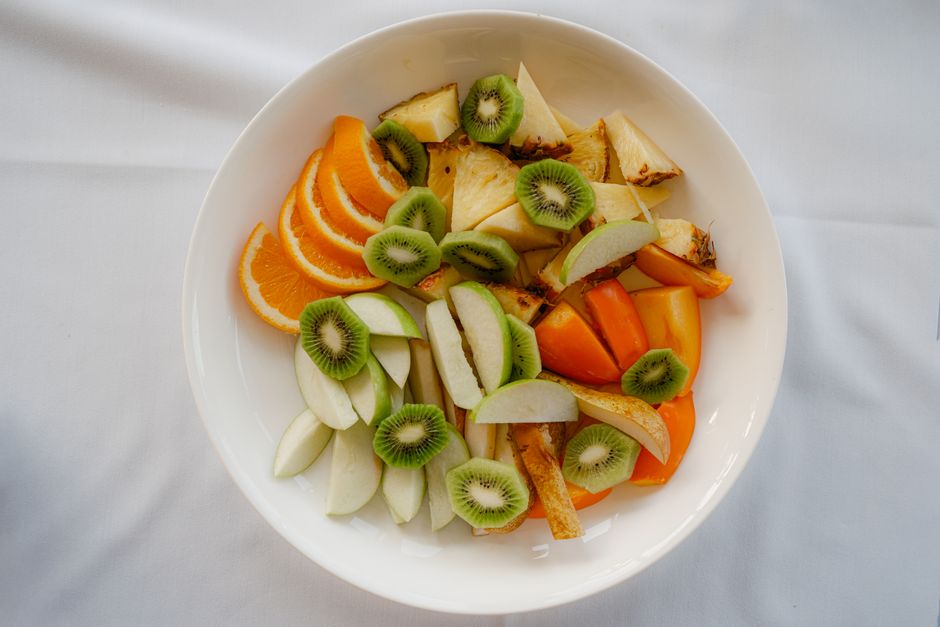
Fruit contains fructose, and fructose in large amounts can harm health. But the fructose in whole fruit comes packaged with fiber, water, vitamins, and minerals that change how your body handles it. That package matters more than the sugar molecule itself.
The short answer: for most people, fructose from whole fruit is not bad for you. The evidence linking fructose to metabolic problems comes mainly from added sugars and sweetened drinks, not from fruit. Whole fruit is consistently associated with neutral or beneficial health effects in large population studies.
Context matters more than the molecule. A mango and a can of soda both contain fructose. Your body does not process them the same way.
Is Fructose In Fruit Bad For You?
No. Whole fruit is not a meaningful source of the fructose intake linked to health problems.
Fructose is a simple sugar found naturally in fruit, honey, and some vegetables. It is also a component of sucrose (table sugar) and high-fructose corn syrup, both added to processed foods and drinks. The distinction matters because the health concerns tied to fructose come almost entirely from added sources, not from fruit.
Large observational studies have repeatedly found that higher fruit intake is associated with lower risk of cardiovascular disease, stroke, and some cancers. These are associations, not proof of cause and effect. But they point in the opposite direction from harm.
A medium apple contains roughly 10 to 12 grams of fructose. A 12-ounce can of regular soda contains about 22 grams of fructose, mostly from high-fructose corn syrup. The dose is different. The delivery system is different. The metabolic response is different.
How Is Fructose In Fruit Different From Added Fructose?
The sugar molecule is identical. What surrounds it is not.
When you eat a piece of fruit, you consume fructose along with fiber, water, potassium, vitamin C, folate, and hundreds of plant compounds. These are not minor extras. They change how quickly sugar enters your bloodstream and how your liver processes it.
Fiber slows digestion. It forms a gel-like substance in your gut that delays the absorption of sugars, including fructose. This means your liver receives fructose more gradually instead of in a rapid surge. The liver is the main organ that metabolizes fructose, and the speed of delivery affects how much of it gets converted to fat versus used for energy.
Fiber also feeds gut bacteria. Some of these bacteria ferment fiber into short-chain fatty acids, which have effects on appetite, blood sugar regulation, and inflammation. This does not happen when you drink a soda.
Fluid volume matters too. Fruit is mostly water. That water dilutes the sugar concentration and adds to feelings of fullness. Sweetened drinks are concentrated sugar in liquid form, which passes through your stomach quickly and does not trigger the same satiety signals.
The fructose load per serving is also much lower in fruit. You would need to eat several pieces of fruit to match the fructose in one sweetened beverage.
Does Fruit Fructose Cause Fatty Liver Disease?
Excess fructose can contribute to fat buildup in the liver. But the evidence points to added fructose, not fruit, as the driver.
The liver metabolizes fructose differently than glucose. Unlike glucose, fructose does not require insulin to enter liver cells. Once inside, it is broken down rapidly. When the liver receives more fructose than it can use for energy, some of it gets converted into fat through a process called de novo lipogenesis.
This pathway is real and well documented. High doses of purified fructose, especially in liquid form and in the absence of fiber, can increase liver fat production in controlled settings. Some research suggests this mechanism may contribute to non-alcoholic fatty liver disease when fructose intake is chronically high.
But whole fruit has not been shown to cause fatty liver disease. In fact, studies that look at fruit consumption specifically tend to show either no association or a protective one. The fiber, the slower absorption, and the lower dose all work against the mechanism that drives fat accumulation.
If you have fatty liver disease, your doctor may recommend limiting added sugars and sweetened drinks. That is not the same as avoiding fruit.





Does Fructose In Fruit Raise Blood Sugar or Cause Diabetes?
Fructose has a low glycemic index, meaning it does not spike blood sugar as sharply as glucose. But that does not make it universally safe for people with blood sugar concerns.
Fructose does not require insulin to enter cells, so it does not directly raise blood glucose the way glucose does. This is why fructose has a low glycemic index compared to other sugars. However, fructose still provides calories and can contribute to insulin resistance when consumed in excess from added sources.
Whole fruit, though, is consistently associated with lower risk of type 2 diabetes in large population studies. This is not just about fructose. It is about the entire package: fiber, polyphenols, potassium, and the replacement of less healthy foods.
For people with diabetes, fruit is generally included in a balanced diet. The American Diabetes Association and other clinical bodies consistently include fruit as part of a healthy eating pattern. Portion size and timing may matter for blood sugar control, but fruit is not typically restricted the way sweetened drinks are.
If you have diabetes, talk to your healthcare provider or a registered dietitian about how fruit fits into your specific plan. No clinical guidelines recommend eliminating fruit for diabetes management.
How Much Fructose Is In Common Fruits?
Fruit fructose content varies. Here is a comparison of approximate fructose amounts per typical serving, based on USDA nutritional data:
| Fruit | Serving | Approximate Fructose |
|---|---|---|
| Apple | 1 medium | 10-12 grams |
| Banana | 1 medium | 5-6 grams |
| Orange | 1 medium | 5-6 grams |
| Grapes | 1 cup | 12-13 grams |
| Strawberries | 1 cup | 3-4 grams |
| Blueberries | 1 cup | 7-8 grams |
| Mango | 1 cup sliced | 8-9 grams |
| Watermelon | 1 cup diced | 5-6 grams |
For comparison, a 12-ounce can of regular soda contains about 22 grams of fructose. A typical candy bar may contain 10 to 15 grams. A serving of sweetened yogurt can contain 10 to 20 grams depending on the brand.
The point is not that fruit is fructose-free. It is that the dose and the delivery system are fundamentally different.
Should You Limit Fruit Because of Fructose?
Most people should not limit whole fruit. Current dietary guidance in the United States recommends adults consume about 1.5 to 2 cups of fruit per day as part of a healthy eating pattern.
That guidance is based on decades of evidence showing that people who eat more fruit have lower rates of chronic disease. The fructose in fruit has not been shown to undermine those benefits at typical intake levels.
There are exceptions. People with rare hereditary fructose intolerance cannot metabolize fructose and must avoid it strictly, including from fruit. This is a serious genetic condition diagnosed in infancy or early childhood. It is not the same as common digestive discomfort from certain sugars.
Some people with irritable bowel syndrome (IBS) may need to limit high-fructose fruits as part of a low-FODMAP diet. This is a clinical management strategy for symptom control, not a general health recommendation.
For everyone else, the evidence does not support avoiding fruit because of fructose. If anything, the bigger concern is that most Americans eat less fruit than recommended.
What About Fruit Juice and Dried Fruit?
Fruit juice is not the same as whole fruit. Even 100% juice removes most of the fiber and concentrates the sugar. The fructose per serving is higher, and it enters your system faster.
Some research suggests that frequent juice consumption may be associated with weight gain and metabolic issues, especially in children. The evidence is not as strong as it is for sweetened drinks, but it points in the same direction. Whole fruit is the better choice.
Dried fruit is also concentrated. A cup of raisins contains far more fructose than a cup of grapes because the water has been removed. Dried fruit retains fiber, which is a point in its favor, but portion size matters. A small handful is not the same as a large bowl.
Neither juice nor dried fruit is poison. But if you are watching your fructose intake, these are the forms to moderate, not fresh fruit.
What Does the Evidence Say About Fructose and Obesity?
The link between fructose and obesity is real, but it is about added sugars, not fruit.
Since the 1970s, fructose consumption from added sources has risen sharply in the United States, largely through sweetened beverages and processed foods. Over the same period, obesity rates have increased. This correlation does not prove that fructose causes obesity, but it has fueled the concern.
Controlled trials that compare high-fructose diets to high-glucose diets generally show similar effects on body weight when calories are matched. The problem is not fructose specifically. It is excess calories, especially from liquid sources that do not satisfy hunger.
Whole fruit, by contrast, is self-limiting for most people. It is hard to overeat apples the way you can overdrink soda. The fiber and water content make you feel full.
Some studies suggest that fructose may affect appetite hormones differently than glucose, potentially increasing hunger. But these findings are not consistent across all research, and they do not appear to translate into weight gain from fruit consumption in real-world settings.
Frequently Asked Questions
Is fructose in fruit bad for you?
No. The fructose in whole fruit is not linked to the health problems associated with added fructose. Fiber, water, and lower doses change how your body handles it.
How much fructose is in an apple?
A medium apple contains roughly 10 to 12 grams of fructose, according to USDA data. That is about half the fructose in a 12-ounce regular soda.
Can eating fruit cause fatty liver disease?
No evidence shows that whole fruit causes fatty liver disease. The concern is with added fructose from sweetened drinks and processed foods, not fruit.
Should people with diabetes avoid fruit because of fructose?
No. Major clinical guidelines include fruit as part of a healthy eating pattern for people with diabetes. Portion size and timing may matter, but fruit is not typically restricted.
