
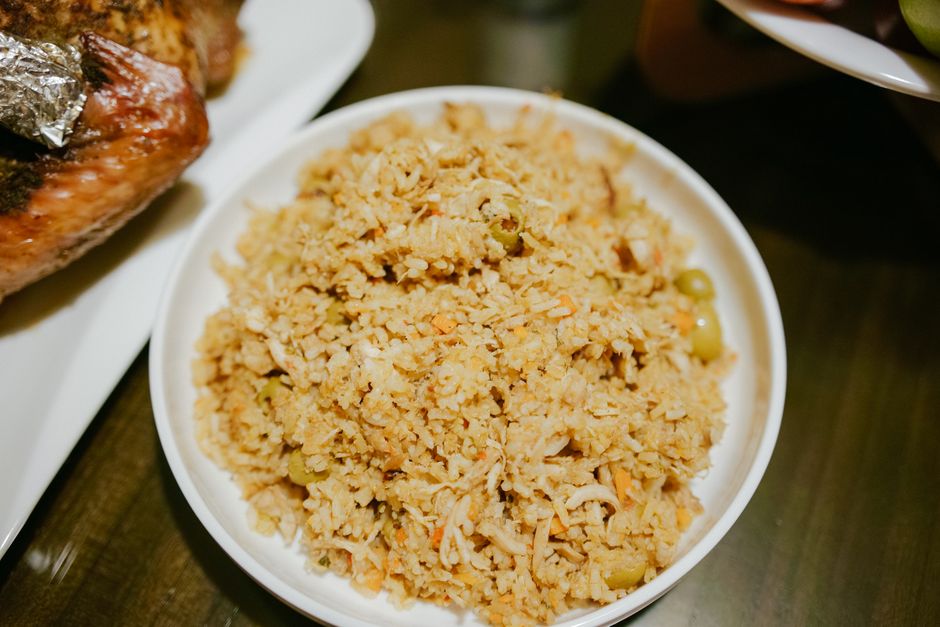
“Fried rice syndrome” sounds like a joke you would make about leftovers. It is not. The name refers to a real and well-documented type of food poisoning tied to cooked rice that sits at room temperature for too long. The illness is caused by Bacillus cereus, a bacterium common in soil and in raw rice. The spores it forms can survive cooking, and if the rice cools slowly and sits out, those spores can grow into bacteria that produce toxins. Eating that rice can make you sick within hours.
Is Fried Rice Syndrome Real?
Yes. The condition is real, and it has a clear biological explanation. It is not a viral internet invention, though the nickname is informal rather than a clinical diagnosis.
The bacterium behind it, Bacillus cereus, is a well-known cause of foodborne illness. It is a spore-former, which is the key detail. Ordinary cooking heat kills most bacteria, but it does not reliably destroy B. cereus spores. Those spores can survive boiling, steaming, and frying.
Once cooked rice cools down and sits at room temperature, the surviving spores can germinate. The growing bacteria multiply and produce toxins. This is why the problem is not the rice itself. It is the time and temperature the rice passes through after cooking.
The “fried rice” part of the name comes from the classic scenario. Rice is cooked, left out, then fried the next day. The reheating step does not necessarily make it safe, because some of the toxins are heat-stable. That detail matters, and it is one many people get wrong.
How Does Bacillus Cereus Make You Sick?
Bacillus cereus causes illness through two different toxins, and they produce two different patterns of symptoms. This is what makes it unusual among foodborne bacteria.
One toxin is called an emetic toxin, meaning it causes vomiting. It is preformed in the food, so it is already present by the time you eat the rice. This type tends to hit fast, often within a few hours. The vomiting form is the one most associated with rice.
The other is a diarrheal toxin, produced in the gut after you swallow the bacteria. This type tends to take longer to appear, often many hours later, and causes watery diarrhea and cramping.
Here is the non-obvious part. The vomiting toxin is heat-stable, which means reheating the rice does not remove it. The bacteria may be killed by heat, but the toxin they already made can remain. That is a key reason why “I reheated it, so it is fine” is not a reliable rule.
What Are the Symptoms and How Soon Do They Start?
Symptoms depend on which toxin is involved, and the timing differs between the two.
- Vomiting type: nausea and vomiting that can begin within a few hours of eating, sometimes as quickly as one to six hours.
- Diarrheal type: watery diarrhea and abdominal cramps that typically start later, often around eight to sixteen hours after eating.
Most cases are unpleasant but short. The illness usually resolves on its own within about a day. The main risk during that time is dehydration from vomiting or diarrhea.
These timelines are general patterns reported in foodborne illness surveillance, not fixed rules. Individual cases can fall outside these windows.





When Should You See a Doctor?
Most people recover without medical care. The concern is dehydration and, in rare cases, more serious complications.
Seek medical attention if you cannot keep fluids down, show signs of dehydration such as dizziness or very dark urine, have bloody stools, or have a high fever. People at higher risk include infants, older adults, pregnant women, and anyone with a weakened immune system.
This is general guidance, not a substitute for a clinician’s judgment. If you are unsure, it is reasonable to call a healthcare provider or a poison control center for advice.
How Do You Prevent It?
Prevention comes down to time and temperature. The goal is to move cooked rice through the danger zone quickly, so spores do not have time to grow and produce toxins.
Public health agencies, including the USDA and the FDA, give consistent advice on leftover rice:
- Do not leave cooked rice at room temperature for more than about two hours. In hot conditions above roughly 90°F, cut that to about one hour.
- Refrigerate leftovers promptly, within that window.
- Spread rice into a shallow container so it cools faster.
- Reheat thoroughly and use leftovers within a few days.
- When in doubt, throw it out. You cannot smell or taste the toxins.
One clarification worth making: the two-hour rule is a widely used food safety guideline, not a precise biological cutoff. The risk rises with time, and the exact point where illness becomes likely varies. The guideline exists to keep the margin safe.
Does Reheating Kill the Toxin?
No. Reheating kills the bacteria but does not reliably destroy the heat-stable emetic toxin. This is the single most important fact about fried rice syndrome, and it is the one most often misunderstood.
This means you cannot “fix” rice that was left out too long by heating it up. If rice sat at room temperature for many hours, reheating it does not make it safe to eat. The toxin is already there.
The diarrheal toxin behaves differently, since it is produced in the gut rather than the food. But the practical takeaway is the same. Once the rice has spent too long in the danger zone, reheating does not undo the problem.
Is Fried Rice Syndrome Common?
Bacillus cereus is a recognized cause of foodborne illness, and rice is a common vehicle. But it is likely underreported.
Many cases are mild and short, so people often do not seek care or get tested. That makes exact numbers hard to pin down. It is not among the most frequently reported causes of foodborne illness in the way that some other bacteria are, but it is real and recurring.
The good news is that the prevention steps are simple and well established. Prompt refrigeration and not letting rice linger at room temperature remove most of the risk.
Is Fried Rice Syndrome Real Yes Heres Why
To pull it together: the condition is real, the cause is well understood, and the mechanism is clear. Bacillus cereus spores survive cooking, grow when rice cools slowly at room temperature, and produce toxins. One of those toxins is heat-stable, so reheating does not remove it.
The name is informal, but the biology behind it is not. Cooked rice is a perishable food, and treating it like one is the whole point. Cool it fast, refrigerate it promptly, and do not rely on reheating to rescue rice that sat out too long.
None of this is meant to make you afraid of fried rice. It is meant to make you handle leftovers the way food safety guidance already tells you to. That guidance exists for a reason, and this is one of them.
Frequently Asked Questions
How long can cooked rice sit out before it is unsafe?
Food safety guidance says not to leave cooked rice at room temperature for more than about two hours, or about one hour in very hot conditions. The risk rises the longer it sits, so refrigerate it promptly.
Does reheating rice kill the bacteria and toxin?
Reheating kills the bacteria but does not reliably destroy the heat-stable toxin that causes vomiting. That is why reheating rice that sat out too long does not make it safe.
How long does fried rice syndrome last?
Most cases are short and resolve on their own within about a day. The main concern is dehydration, so drink fluids, and seek care if you cannot keep fluids down.
Can you get food poisoning from freshly cooked rice?
Freshly cooked rice that is eaten right away is generally safe. The risk comes from how the rice is cooled and stored after cooking, not from the rice itself.
