
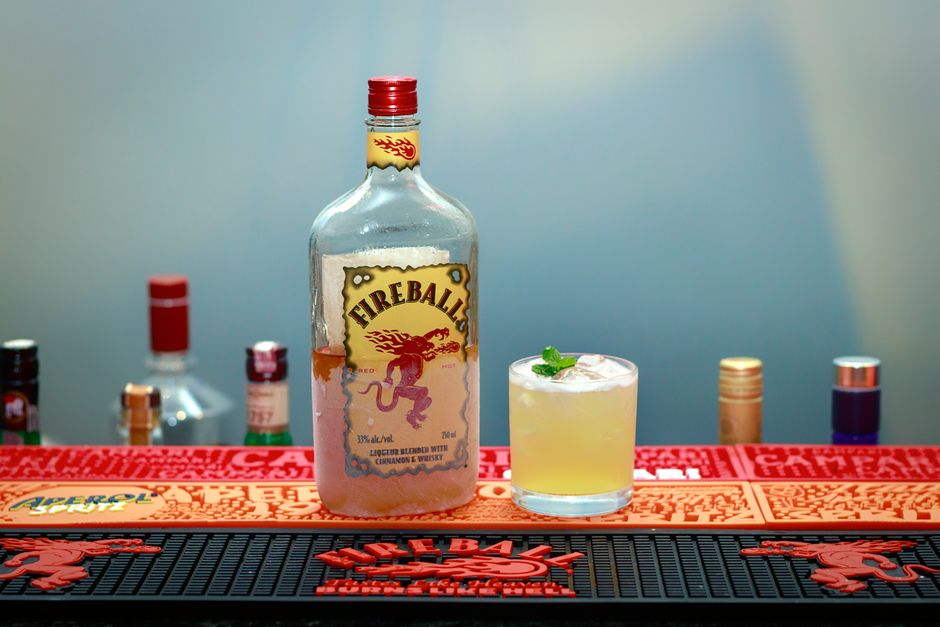
If you have celiac disease or gluten sensitivity, you need to know what is in your drink. The short answer is that Fireball Cinnamon Whiskey is made from grains that contain gluten. But the distillation process matters. And the final product may test below the standard gluten threshold. This article explains what the evidence actually shows and what you should consider before drinking it.
Is Fireball Cinnamon Whiskey Gluten Free?
No, Fireball Cinnamon Whiskey is not certified gluten free. The base spirit is made from grains including wheat, which contains gluten. However, many people with gluten sensitivity report no issues after drinking it. This is because distillation removes most gluten proteins. The final product often tests below 20 parts per million (ppm), which is the FDA standard for gluten free labeling.
But here is the catch. Fireball does not carry a gluten free label. The company states that they cannot guarantee the product is gluten free due to potential cross-contamination during processing. For someone with celiac disease, this uncertainty is a real concern. The CDC reports that even small amounts of gluten can trigger an immune response in people with celiac disease.
How Does Distillation Affect Gluten Content?
Distillation is the key process here. When whiskey is distilled, the liquid is heated until it turns to vapor. The vapor is then cooled back into liquid. Gluten proteins are large molecules. They do not evaporate with the alcohol. So the distilled alcohol should, in theory, contain no gluten.
Research published in the Journal of Agricultural and Food Chemistry has confirmed that distilled spirits made from gluten-containing grains do not contain detectable gluten proteins. The distillation process effectively removes them. This is why many distilled spirits, including whiskey, are considered safe for people with celiac disease by organizations like the Celiac Disease Foundation.
But there is a problem with flavored whiskeys like Fireball. After distillation, the whiskey is mixed with cinnamon flavoring and sugar. These additives could introduce gluten. The flavoring ingredients are not always disclosed. And cross-contamination can happen at the bottling facility. This is why Fireball cannot guarantee a gluten free product.
What Does Fireball’s Official Statement Say?
Sazerac, the company that makes Fireball, has a clear position. They state on their website that Fireball Cinnamon Whiskey is made from grains including wheat. They also say that the distillation process removes gluten. However, they cannot confirm the final product is gluten free due to potential trace amounts from additives or processing.
This is a standard position for many liquor companies. They are protecting themselves legally. But it leaves the consumer in a gray area. The company does not test every batch for gluten. So even if most batches test below 20 ppm, there is no guarantee for every bottle.
Some people interpret this as a liability statement rather than a safety warning. The company is simply not willing to make a health claim. For someone with severe celiac disease, this lack of guarantee may be enough to choose a different drink.
-
 Is Corn Gluten The Same As Wheat Gluten?
 -
Tasha Cobbs Weight Loss, Heart Attack, and Health: An Inspiring Journey
-
Khloé Kardashian Weight Loss 2025: Her Journey, Diet, and Secrets Revealed
-
The Seven Worst Drinks For Gut Health [MUST AVOID].
-
Brain-Eating Amoeba Ozarks. Symptoms, Prevention, & Safety Guide





What Do Gluten Testing Results Show?
Independent testing of Fireball Cinnamon Whiskey has been done by various gluten advocacy groups. Most tests show gluten levels below 20 ppm. Some tests show levels below 5 ppm. This is well within the safe range for most people with celiac disease.
But here is what the testing does not tell you. It only tests one bottle at one time. It does not account for batch variation. A different bottle from a different production run could have different results. The FDA allows gluten free labeling for foods that test below 20 ppm. But Fireball has chosen not to pursue that label.
For context, many distilled spirits that start with gluten grains are accepted as safe by major celiac organizations. The Celiac Disease Foundation states that distilled spirits are gluten free even if made from wheat, barley, or rye. The key is that the distillation process removes the gluten protein.
| Product | Base Grain | Gluten Free Label | Typical Test Results |
|---|---|---|---|
| Fireball Cinnamon Whiskey | Wheat | No | Below 20 ppm |
| Jack Daniel’s | Corn, rye, barley | No | Below 20 ppm |
| Tito’s Vodka | Corn | Yes | Below 5 ppm |
| Jameson Irish Whiskey | Barley | No | Below 20 ppm |
What Are the Risks for Someone with Celiac Disease?
For people with celiac disease, the risk is real but small. The immune reaction to gluten in celiac disease is triggered by specific protein fragments. These fragments are large and heavy. They do not survive distillation. So the distilled alcohol itself should be safe.
The real risk comes from two things. First, the additives used for flavoring. Second, cross-contamination during bottling. These are hard to quantify. The company does not publish testing data for every batch. So you are relying on general industry practices rather than specific product guarantees.
Some people with celiac disease report symptoms after drinking Fireball. This could be from the alcohol itself rather than gluten. Alcohol irritates the digestive tract. It can cause bloating, gas, and diarrhea even in healthy people. These symptoms are easily confused with a gluten reaction. Some studies suggest that up to 30% of people with celiac disease report symptoms from distilled spirits, but the cause is often the alcohol rather than gluten.
How Does Fireball Compare to Other Whiskeys?
Many whiskeys are made from gluten-containing grains. Scotch whiskey is made from barley. Bourbon is made from corn but often includes rye or barley. Rye whiskey is made from rye grain. All of these go through distillation. All of them should theoretically be gluten free after distillation.
Fireball is different because it is a liqueur, not a straight whiskey. It has added sugar and flavorings. These additives increase the risk of gluten contamination. Straight whiskeys like Jack Daniel’s or Jameson have fewer additives. They are often considered safer for people with celiac disease, even without a gluten free label.
If you want a safer option, look for spirits made from corn, potatoes, or grapes. These are naturally gluten free before distillation. Vodka made from corn, like Tito’s, is certified gluten free. Tequila is made from agave and is naturally gluten free. These options remove all doubt about gluten content.
Frequently Asked Questions
Can I drink Fireball if I have celiac disease?
Most people with celiac disease tolerate Fireball without reaction, but there is no guarantee. The company does not certify it as gluten free due to potential trace contamination.
Does Fireball contain wheat?
Yes, the base whiskey is made from grains including wheat. The distillation process removes the gluten protein, but wheat is an ingredient in the original mash.
Is Fireball Cinnamon Whiskey safe for gluten sensitivity?
Many people with gluten sensitivity report no issues after drinking Fireball. The distilled alcohol typically tests below 20 ppm, which is the safe threshold for most people.
What is the gluten free alternative to Fireball?
Look for cinnamon flavored spirits made from potatoes or corn. Some brands make gluten free cinnamon whiskey alternatives. Check the label for certified gluten free markings.
