
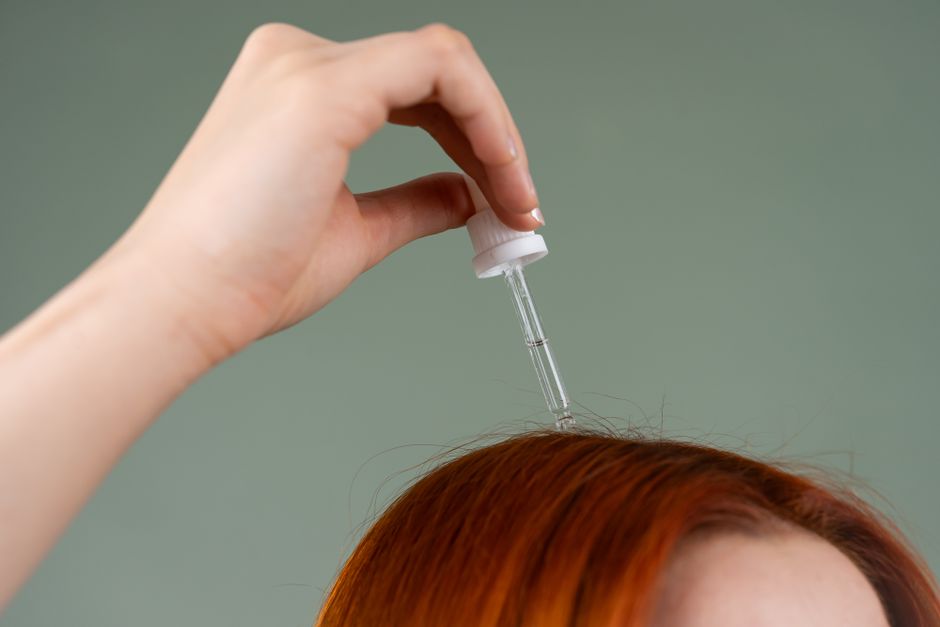
Yes, fine hair is largely genetic. The size and shape of the hair follicle you are born with are set by your DNA, and that follicle determines how thick or thin each strand grows. You cannot change the number of follicles you have or the diameter they produce through diet, shampoo, or supplements. What you can change is how the hair looks and how well it holds up to damage.
Is Fine Hair Genetic The Science Of Hair Texture?
Hair texture is one of the most strongly inherited traits in humans. Studies of twins and families consistently show that hair thickness, curl pattern, and color are heavily influenced by genetics. The trait is polygenic, meaning many genes contribute rather than one single “fine hair gene.”
The structure that matters most is the hair follicle — a tiny pocket in the skin that produces each strand. The width of the follicle’s opening and the size of the bulb at its base determine how thick the resulting hair fiber will be. A smaller follicle produces a finer strand. This architecture is established before birth and does not remodel in response to external products.
Fine hair and thin hair are not the same thing. Fine refers to the diameter of individual strands. Thin refers to how many strands you have. A person can have a lot of fine hair and still have full-looking density. This distinction matters because the two are often confused, and they have different causes and different solutions.
What Actually Determines Hair Texture?
Three structural features determine how a strand of hair feels and behaves.
The first is fiber diameter. Fine hair typically measures less than 60 micrometers across, medium hair falls roughly between 60 and 90 micrometers, and coarse hair measures above that. These ranges are approximate and vary between reference sources, but the relative ordering is well established. Diameter is the single biggest factor in how hair feels to the touch.
The second is the shape of the follicle. Round follicles tend to produce straight hair. Oval or curved follicles produce waves and curls. The cross-sectional shape of the fiber itself — round, oval, or kidney-shaped — follows from the follicle and affects how light reflects off the hair and how it bends.
The third is the cuticle, the outer layer of overlapping scales. Fine hair has fewer cuticle layers than coarse hair. Fewer layers means less physical protection, which is why fine hair tends to be more vulnerable to friction, heat, and chemical processing. This is a structural fact, not a marketing claim.
Does Hair Texture Change With Age?
Hair texture can shift over a lifetime, but the underlying genetic blueprint does not change. What changes is the environment the follicle operates in.
Hormones are the biggest driver. Androgens affect follicle size and the hair growth cycle in both men and women. Pregnancy, menopause, thyroid changes, and other hormonal shifts can visibly alter how hair feels and behaves. Some people notice their hair becoming coarser or finer during these transitions.
Age itself brings changes. Hair growth slows, and many people experience a gradual reduction in fiber diameter over time. The density of actively growing follicles also tends to decline with age in both sexes. Graying is a separate genetic process driven by the loss of pigment-producing cells in the follicle.
None of this means your genetic texture was wrong. It means the follicle’s output can be influenced by systemic factors even though its basic design is fixed.





Can Anything Make Fine Hair Thicker?
No product or supplement has been shown to permanently increase the diameter of individual hair strands in people with genetically fine hair. This is an important point because the market for “thickening” products is enormous and the claims often outrun the evidence.
What some products can do is create a temporary cosmetic effect. Ingredients that coat the hair shaft can make strands feel slightly thicker and look fuller until the next wash. Volumizing shampoos and mousses work this way. The effect is real but temporary and does not change the hair itself.
There are legitimate medical treatments for hair loss — a different problem from fine hair — but they address follicle function and shedding, not the genetic diameter of hair in people who are not losing it. Some clinicians recommend minoxidil for certain types of thinning, and it has reasonable evidence behind it for that purpose. It is not a treatment for texture.
Nutritional deficiencies can affect hair, and correcting a genuine deficiency is worthwhile. But taking supplements when you are not deficient has not been shown to change hair diameter. The evidence here is limited, and marketing claims about biotin and other nutrients are generally stronger than the science behind them.
Why Fine Hair Breaks More Easily
Fine hair has less structural material to absorb stress. A thinner fiber bends more easily and has a smaller margin before it snaps. Combined with fewer cuticle layers, this makes fine hair more prone to breakage from everyday friction, heat styling, and chemical treatments.
This is why people with fine hair often notice that their hair seems to “not grow” — in reality, it may be breaking at the ends faster than it grows from the root. Hair grows at roughly half an inch per month on average, though this varies between individuals. If breakage outpaces growth, length stalls.
Gentle handling makes a measurable difference for fine hair. Reducing heat exposure, avoiding tight hairstyles that pull on the roots, and limiting chemical processing all reduce mechanical stress. These are practical steps, not cures, and they work by preventing damage rather than changing the hair’s genetic nature.
What Fine Hair Genetics Means for You
If your hair has always been fine, the most useful thing to understand is that this is a normal variation, not a defect. Hair diameter varies widely across human populations, and fine hair is common. It is not a sign of poor health or a nutritional problem on its own.
The distinction between fine and thinning matters here. Fine hair is a texture. Thinning is a loss of density, and it can have many causes — hormonal, nutritional, medical, or genetic. If you notice a real change in how much hair you have rather than how it feels, that is worth discussing with a clinician, because some causes of hair loss are treatable and a few are signs of an underlying condition.
For texture itself, the honest position is simple. Your genetics set the baseline. Products can improve appearance and reduce damage. Nothing currently available changes the fundamental diameter your follicles produce.
Frequently Asked Questions
Is fine hair inherited from your mother or father?
Hair texture is inherited from both parents through many genes, not just one. There is no single “fine hair gene” passed down from one side of the family.
Can fine hair become thick permanently?
No. No product or supplement has been shown to permanently increase the diameter of genetically fine hair strands. Cosmetic thickeners create a temporary appearance of fullness only.
Does cutting fine hair make it grow back thicker?
No. Cutting hair does not change the follicle that produces it, so regrowth has the same diameter as before. This is a common myth with no scientific support.
Is fine hair a sign of a health problem?
Fine hair on its own is a normal genetic variation and not a sign of illness. A noticeable change in hair density or shedding, rather than texture, is worth discussing with a clinician.
