
Fatty liver disease is one of the most common liver conditions in the United States, affecting roughly one in three adults. The short answer is yes — fatty liver is reversible in most cases, especially when caught early. The liver has a remarkable ability to repair itself, but the process depends on the stage of the disease, the underlying cause, and how consistently you follow diet and lifestyle changes. For most people with simple steatosis (fatty liver without significant inflammation), reversal is possible within months. For those with more advanced stages like fibrosis or cirrhosis, the liver damage may not fully reverse, though progression can often be halted.
What Exactly Is Fatty Liver Disease?
Fatty liver disease means that more than 5% of your liver’s weight is made up of fat. The liver normally contains some fat, but when fat builds up beyond that threshold, it becomes a medical condition.
There are two main types. Alcoholic fatty liver disease is caused by heavy alcohol use. Nonalcoholic fatty liver disease (NAFLD) occurs in people who drink little or no alcohol. NAFLD is now the most common liver disorder worldwide, closely tied to obesity, type 2 diabetes, and metabolic syndrome.
The condition progresses through stages. Simple steatosis is fat in the liver with no inflammation or damage. Nonalcoholic steatohepatitis (NASH) adds inflammation and liver cell injury. Fibrosis is scar tissue forming in response to that injury. Cirrhosis is extensive scarring that disrupts liver structure and function.
Most people with fatty liver never progress beyond simple steatosis. But for those who do, the progression typically takes years or even decades.
Is Fatty Liver Reversible Stages Diet And Timeline?
The reversibility of fatty liver depends entirely on the stage. Simple steatosis is highly reversible. With weight loss and dietary changes, liver fat can drop significantly within 8 to 12 weeks.
NASH is also reversible in many cases, though it takes longer. Studies show that losing 7% to 10% of your body weight can reduce liver inflammation and even reverse some early fibrosis. The timeline for NASH improvement is generally 6 to 12 months of sustained lifestyle changes.
Fibrosis is partially reversible. Early to moderate fibrosis can improve with weight loss and metabolic control. However, advanced fibrosis is less likely to fully resolve. Cirrhosis, the most advanced stage, is not reversible. The scarring is permanent, though treatment can prevent further damage and complications.
The key takeaway: the earlier you catch it, the better the outcome. Stage one and two are largely reversible. Stage three is partially reversible. Stage four is not.
What Diet Reverses Fatty Liver?
No single food or supplement reverses fatty liver. The evidence points to overall dietary patterns rather than individual ingredients. The most consistent finding across research is that weight loss matters more than any specific diet.
The Mediterranean diet has the strongest evidence for improving liver health. This eating pattern emphasizes vegetables, fruits, whole grains, legumes, nuts, fish, and olive oil while limiting red meat, processed foods, and added sugar. Research published in hepatology journals has shown that this diet reduces liver fat even without weight loss, though the effect is stronger when combined with calorie reduction.
Specific changes that matter:
- Cut added sugars, especially fructose from sugary drinks and processed foods. Fructose is metabolized in the liver and directly promotes fat accumulation.
- Limit refined carbohydrates like white bread, white rice, and pastries. These spike blood sugar and insulin, which drives fat storage in the liver.
- Reduce saturated fat from fatty meats, full-fat dairy, and fried foods. Replace with unsaturated fats from olive oil, avocados, and nuts.
- Avoid alcohol completely if you have any form of fatty liver. Even moderate drinking can worsen liver injury.
- Include coffee. Multiple studies have found that regular coffee consumption is associated with less liver fibrosis and slower disease progression.
Intermittent fasting has gained attention for fatty liver, but the evidence is still emerging. Some small studies show benefit, but the primary mechanism appears to be calorie reduction rather than the fasting pattern itself. If intermittent fasting helps you eat less, it may help. The evidence does not show it is superior to standard calorie restriction.




How Much Weight Loss Is Needed?
Weight loss is the single most effective treatment for nonalcoholic fatty liver disease. The amount needed depends on what you want to achieve.
Losing 3% to 5% of your body weight reduces liver fat. For a 200-pound person, that is 6 to 10 pounds. This is enough to improve simple steatosis.
Losing 7% to 10% of body weight reduces inflammation and can improve NASH. For that same 200-pound person, this means 14 to 20 pounds. This level of weight loss is also associated with improvement in early fibrosis.
Losing 10% or more may reverse some fibrosis in certain individuals, though this is not guaranteed and takes time. The weight loss needs to be maintained, not just achieved. Rapid weight loss followed by regain does not provide lasting liver benefit.
Crash dieting is not recommended. Very rapid weight loss — more than 3.5 pounds per week — can actually worsen liver inflammation temporarily. Aim for steady, sustainable loss of 1 to 2 pounds per week.
How Long Does It Take To Reverse Fatty Liver?
Liver fat responds quickly to weight loss. Studies using MRI to measure liver fat have shown significant reduction within 8 weeks of starting a calorie-restricted diet. By 12 weeks, many people see liver fat drop by half or more.
Inflammation and liver enzyme levels take longer. Liver enzymes like ALT and AST often normalize within 3 to 6 months of sustained weight loss and dietary change.
Fibrosis reversal, when it happens, takes the longest. Research suggests that fibrosis improvement typically requires 1 to 2 years of maintained weight loss and metabolic control. Not everyone achieves fibrosis reversal, even with successful weight loss.
The timeline also depends on the cause. If fatty liver is driven by alcohol, stopping alcohol use can improve liver fat within weeks. If driven by obesity and diabetes, the timeline is longer and tied to weight and blood sugar control.
Can Exercise Help Even Without Weight Loss?
Yes, but the effect is modest compared to weight loss. Exercise alone, without calorie reduction, can reduce liver fat by a small amount. Studies show that aerobic exercise and resistance training both help, and combining them may be best.
Exercise improves insulin sensitivity and reduces inflammation, both of which benefit the liver directly. The effect appears independent of weight loss, meaning even if the scale does not move, your liver may still improve.
However, exercise should not replace dietary changes. The strongest results come from combining calorie restriction with regular physical activity. Aim for at least 150 minutes of moderate-intensity exercise per week, which aligns with general health recommendations.
Are There Medications Or Supplements For Fatty Liver?
No medication is currently FDA-approved specifically for nonalcoholic fatty liver disease. This is an active area of research, and several drugs are in clinical trials, but none have completed the approval process.
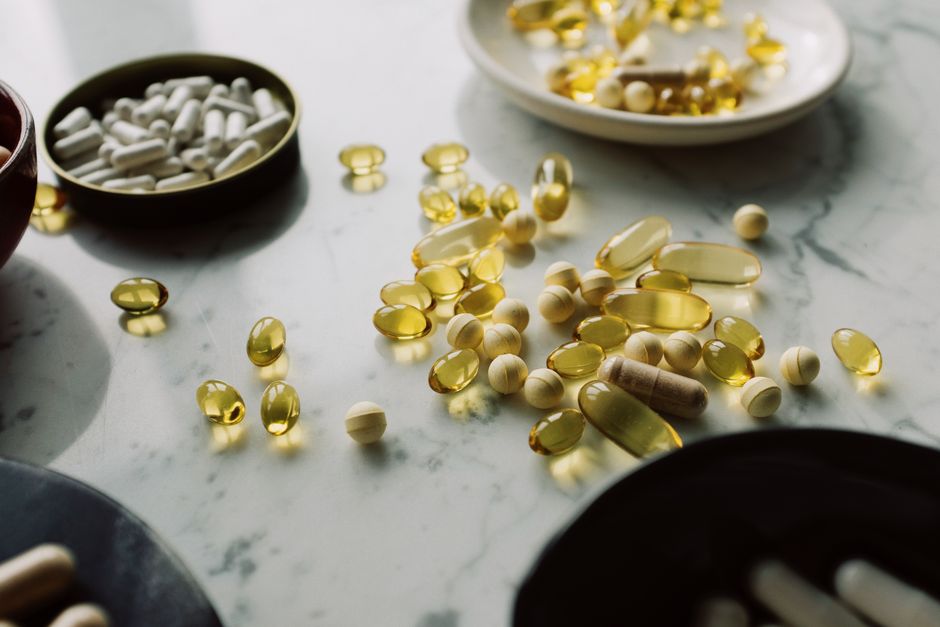
Vitamin E has been studied for NASH in non-diabetic adults. Some clinical trials showed improvement in liver inflammation, but the evidence is not consistent enough for universal recommendation. High doses of vitamin E also carry long-term safety concerns, including a possible increased risk of prostate cancer. Do not take high-dose vitamin E without discussing it with your doctor.
Pioglitazone, a diabetes medication, has shown benefit in some NASH trials. It is sometimes used off-label for this purpose, but it has side effects including weight gain and potential heart risks. It is not a first-line treatment.
Supplements marketed for liver health — milk thistle, dandelion root, artichoke extract — have not been proven to reverse fatty liver in rigorous human trials. Some show small effects on liver enzymes, but none have demonstrated meaningful improvement in liver fat or fibrosis. Do not spend money on these expecting a cure.
What Happens If Fatty Liver Is Not Treated?
Untreated fatty liver follows an unpredictable course. Most people with simple steatosis never progress to advanced disease. Estimates suggest that only 10% to 20% of people with NASH develop cirrhosis over 10 to 20 years.
However, progression is not random. People with diabetes, obesity, and metabolic syndrome are at higher risk. Rising liver enzymes on blood tests may indicate active inflammation. Fibrosis stage on biopsy or elastography is the strongest predictor of future complications.
Cirrhosis from fatty liver carries serious risks: liver failure, portal hypertension, and liver cancer. Hepatocellular carcinoma can develop even in the absence of cirrhosis, though it is more common with advanced scarring.
This is why early intervention matters. The window for meaningful reversal is widest before significant fibrosis develops.
Frequently Asked Questions
Can fatty liver be reversed in 3 months?
Liver fat can decrease significantly within 3 months of consistent weight loss and dietary changes, but inflammation and fibrosis take longer to improve. Full reversal of advanced disease requires 6 to 12 months or more.
What is the fastest way to reverse fatty liver?
The fastest evidence-based approach is losing 7% to 10% of your body weight through calorie reduction, eliminating added sugars and alcohol, and following a Mediterranean-style diet. Rapid crash diets are not recommended because they can worsen liver inflammation.
Is stage 2 fatty liver reversible?
Yes, stage 2 fatty liver, which involves inflammation, is reversible with sustained weight loss and lifestyle changes. Most people see improvement within 6 to 12 months of consistent effort.
Can fatty liver reverse without weight loss?
Some improvement is possible through dietary quality changes and exercise, but weight loss is the strongest driver of reversal. People who cannot lose weight may still benefit from reducing sugar intake and increasing physical activity.
