
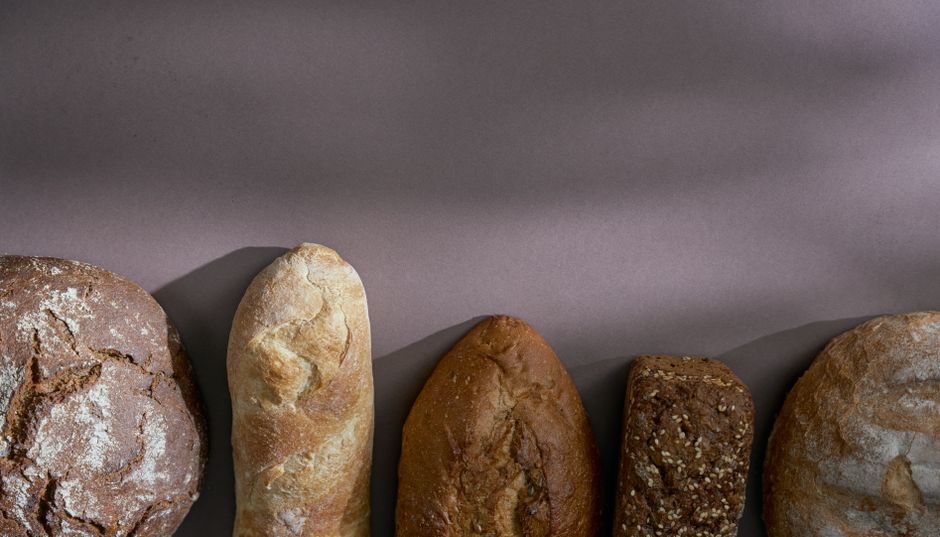
Ezekiel bread is a sprouted grain bread that is often considered healthier than regular bread. It is made from organic sprouted grains and legumes, offering more nutrients and fiber. For most people, yes, Ezekiel bread is a good choice, especially compared to refined white bread, but it is not suitable for everyone, particularly those with gluten intolerance.
What Is Ezekiel Bread?
Ezekiel bread is named after a Bible verse (Ezekiel 4:9) that describes a recipe using wheat, barley, beans, lentils, millet, and spelt. Modern versions follow this combination. The grains and legumes are sprouted before being ground into flour and baked. Sprouting means the grains are soaked and allowed to germinate, which changes their nutritional profile.
The standard ingredients include organic sprouted wheat, barley, millet, spelt, soybeans, and lentils. Some varieties add other sprouted grains or seeds. Because the grains are sprouted, the bread has a denser texture and a slightly sweeter, nutty flavor compared to white or whole wheat bread.
How Is Ezekiel Bread Different From Regular Bread?
The main difference is the sprouting process. Regular bread, even whole wheat, is usually made from flour that is ground from unsprouted grains. Sprouting changes the grain’s chemistry. It increases the availability of certain nutrients and reduces compounds that can interfere with mineral absorption, such as phytic acid.
Here is a simple comparison of typical values (per slice):
| Ezekiel Bread (1 slice) | Whole Wheat Bread (1 slice) | |
|---|---|---|
| Calories | ~80 | ~70-100 |
| Protein | 4-5 grams | 3-4 grams |
| Fiber | 3 grams | 2-3 grams |
| Carbohydrates | 15 grams | 12-18 grams |
| Gluten | Contains (wheat, barley, spelt) | Contains (wheat) |
Ezekiel bread tends to have slightly more protein and fiber per slice than many whole wheat breads. It also has a lower glycemic index, meaning it may cause a slower, smaller rise in blood sugar. That is partly because the sprouting process breaks down some starches into simpler sugars, but also leaves more intact starch that digests more slowly.
Does Ezekiel Bread Have Health Benefits?
Yes, several benefits are supported by research on sprouted grains. Sprouting increases the levels of some vitamins, such as B vitamins and vitamin C, though the amounts are still small relative to what fruits and vegetables provide. More importantly, sprouting reduces phytic acid. Phytic acid is found in grains and legumes and can bind to minerals like iron, zinc, and calcium, reducing their absorption. Lower phytic acid means your body can absorb more of these minerals from the bread.
The sprouting process also activates enzymes that break down proteins and carbohydrates, potentially making them easier to digest. Some research suggests that sprouted grain breads produce a lower blood sugar response compared to regular whole wheat bread. A study published in the Journal of Nutrition and Metabolism found that sprouted grain bread led to lower post-meal blood sugar and insulin levels compared to whole grain bread. However, individual responses vary, and the effect is modest.
Another benefit is the complete protein profile. Because Ezekiel bread combines grains (which are low in the amino acid lysine) with legumes (which are higher in lysine), it provides all nine essential amino acids. This makes it a complete protein, similar to animal foods. That is uncommon for plant-based foods and can be helpful for vegetarians or anyone looking to increase protein intake.
The higher fiber content also supports digestion and helps with satiety. Eating one or two slices can make you feel fuller longer, which may help with weight management if it replaces less filling breads or other refined carbs.





Are There Any Downsides?
Ezekiel bread is not a perfect food for everyone. The biggest limitation is that it contains gluten. It is made from wheat, barley, and spelt, all of which contain gluten. People with celiac disease or non-celiac gluten sensitivity should avoid it completely. There is no gluten-free version of true Ezekiel bread, though some companies make sprouted grain breads from gluten-free grains like buckwheat or amaranth.
Another consideration is carbohydrate content. With about 15 grams of carbs per slice, it is not a low-carb food. People on strict low-carb diets, such as keto, may not want to include it. While the glycemic index is lower than white bread, it can still raise blood sugar. For people with diabetes, portion control matters. Eating two slices provides around 30 grams of carbohydrates, similar to many other breads.
Ezekiel bread also has calories. At about 80 calories per slice, it is not calorie-free. If you are trying to lose weight, it can fit into a balanced diet, but it should not be eaten in unlimited amounts.
Some people find the texture too dense or the taste too strong compared to soft white bread. Textural preference is subjective, but it can be a barrier to regular consumption.
Is Ezekiel Bread Good For You?
For most people who can eat gluten, Ezekiel bread is a nutritious option. It offers more protein, fiber, and minerals than standard white bread or even many whole wheat breads. The sprouting process improves nutrient availability and may lead to a gentler blood sugar response. It is a good choice for people looking to upgrade their bread without going completely grain-free.
However, it is not a health miracle. It still contains gluten and moderate carbohydrates. It is not inherently better than other 100% whole grain breads made from unsprouted whole wheat flour if you compare them side by side. The differences are real but not dramatic. If you already eat a diet rich in whole foods, replacing your regular bread with Ezekiel bread is a small improvement. If your diet includes a lot of refined white bread, switching to Ezekiel bread is a meaningful step forward.
The bottom line: Ezekiel bread is a high-quality, nutrient-dense bread that can be part of a healthy diet. It is not suitable for everyone, and it should not be treated as a superfood. It is simply a better bread option for many people.
Frequently Asked Questions
Is Ezekiel bread gluten-free?
No, Ezekiel bread contains gluten because it is made from wheat, barley, and spelt. People with celiac disease or gluten sensitivity should avoid it.
Can Ezekiel bread help with weight loss?
It can, because it has more protein and fiber than many breads, which helps you feel full. But it still has calories and carbohydrates, so portion control matters.
Is Ezekiel bread low carb?
No, it is not low carb. One slice has about 15 grams of carbohydrates. It is moderate for a bread, but too high for strict low-carb or ketogenic diets.
How does Ezekiel bread taste?
It has a dense, chewy texture and a slightly sweet, nutty flavor. Some people love it, but others find it heavy compared to soft white bread.
